Exterior Lighting Design Guide: How to Brighten Your Home for Curb Appeal, Safety and Style
As daylight saving time ends and evenings grow darker, exterior lighting becomes essential. Outdoor lighting improves safety, enhances curb appeal, and defines your home’s architectural presence after sunset.
A strategic lighting plan does more than illuminate pathways. It creates depth, structure, and warmth across your facade.
This guide explains how to design layered exterior lighting that improves function, security, and aesthetic impact.
Why Exterior Lighting Matters After Daylight Saving Time
When daylight hours shrink, visibility decreases and exterior features disappear into shadow.
Proper outdoor lighting:
- Improves navigation around walkways and driveways
- Reduces trip hazards
- Deters unwanted activity
- Highlights architectural details
- Enhances perceived home value
Exterior lighting defines how your home looks at night. Without it, even beautiful architecture fades.
What Is Layered Exterior Lighting?
Layered lighting combines multiple fixture types to create balance, depth, and dimension.
A well-designed lighting plan includes:
- Ambient lighting
- Task lighting
- Accent lighting
Layering prevents harsh shadows and flat illumination.
Layered lighting creates visual hierarchy at night just as materials do during the day.
What Types of Outdoor Lighting Should You Use?
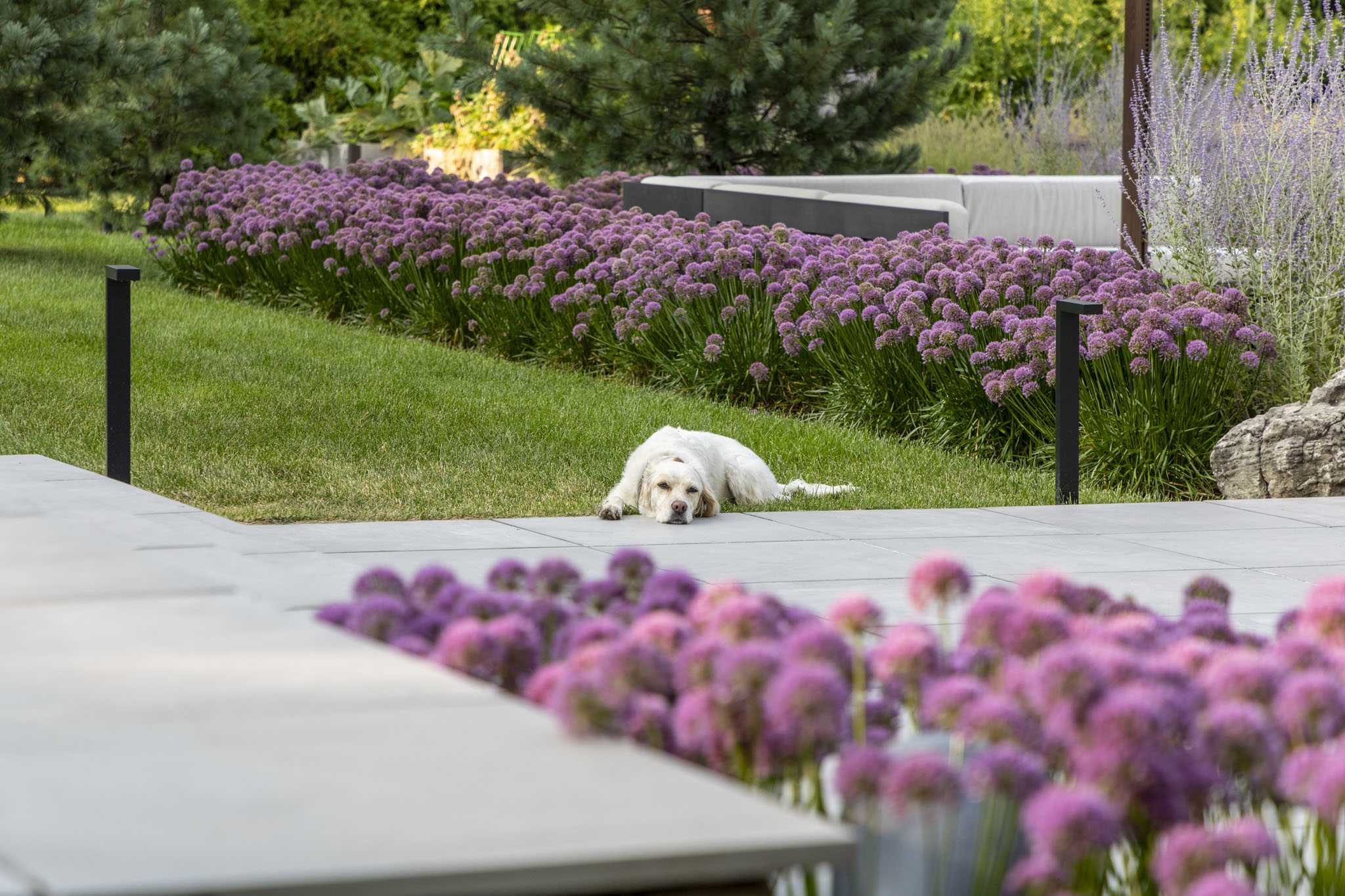
Path Lights
Purpose: Illuminate walkways, driveways, and garden paths.
Path lights:
- Improve safety
- Guide movement
- Add subtle landscape definition
Placement Tip: Space evenly and position to avoid glare.
Best Option: Low voltage LED or solar for energy efficiency.
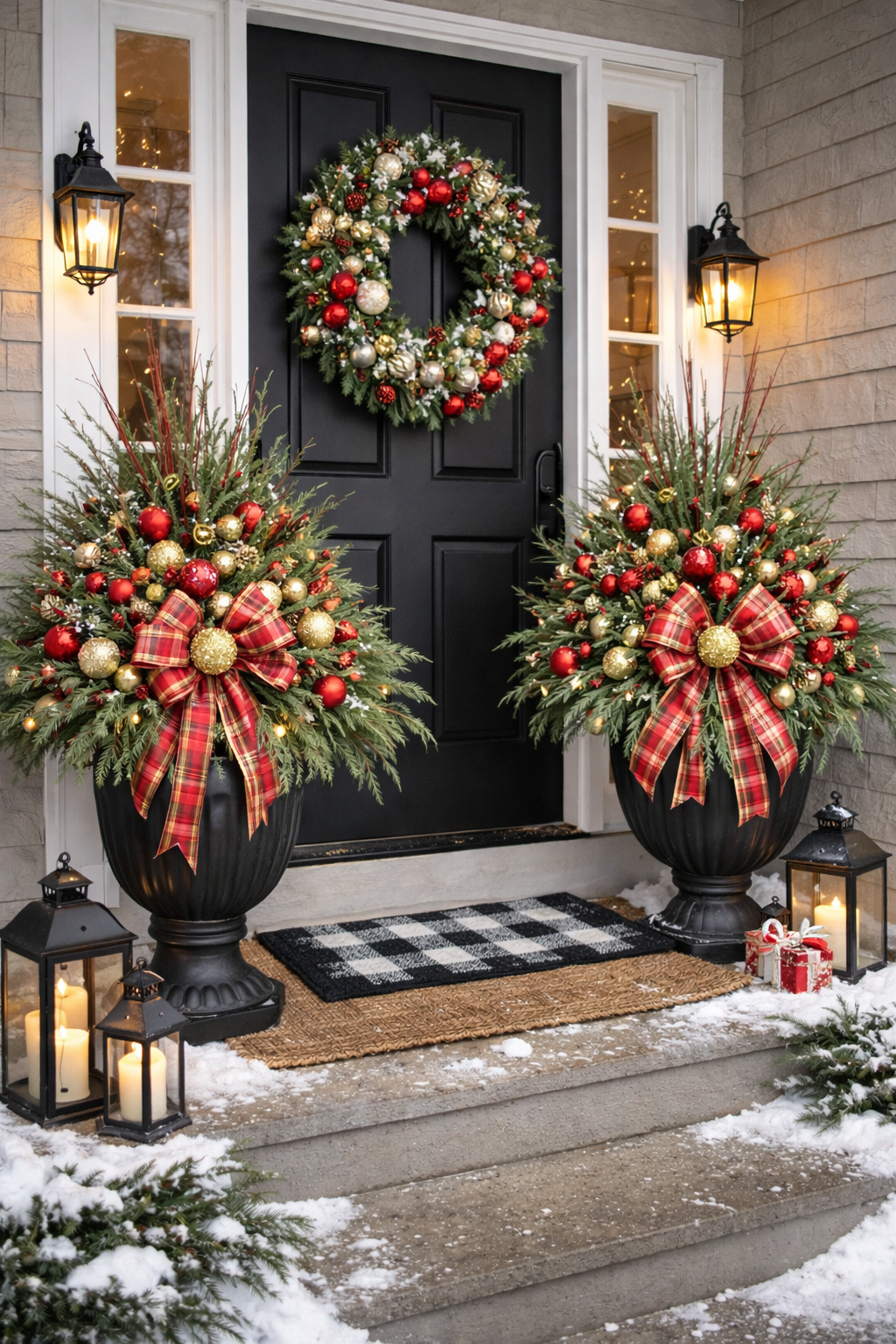
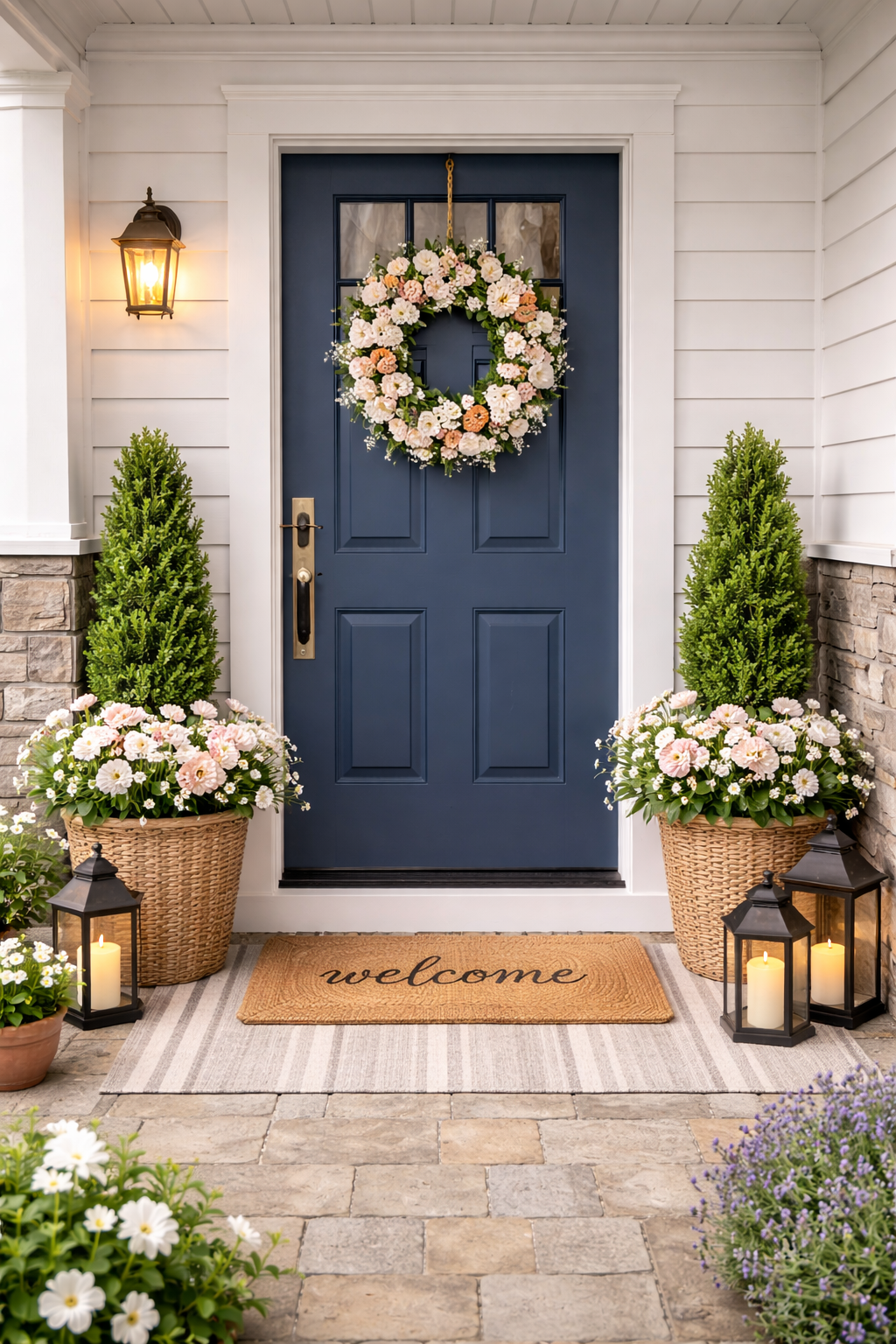
Wall Mounted Sconces
Purpose: Frame entryways, garages, and patios.
Sconces:
- Emphasize architectural symmetry
- Create a welcoming entrance
- Provide functional visibility
Install Height: Approximately 5.5 to 6 feet from the ground.
Sconces should be proportional to the door height and facade scale.
_1772055385.jpg) Image Source
Image Source
Pendant and Ceiling Lights
Purpose: Illuminate porches and covered entry areas.
Pendant placement:
- Hang 7 to 8 feet above ground
- Scale appropriately to ceiling height
Flush mount fixtures work best in low clearance spaces. These fixtures define the entry as a focal point.
Soffit Lights
Purpose: Provide subtle ambient roofline lighting.
Soffit lighting:
- Creates even illumination
- Highlights architectural edges
- Avoids harsh glare
Recessed soffit lighting delivers a clean modern look.
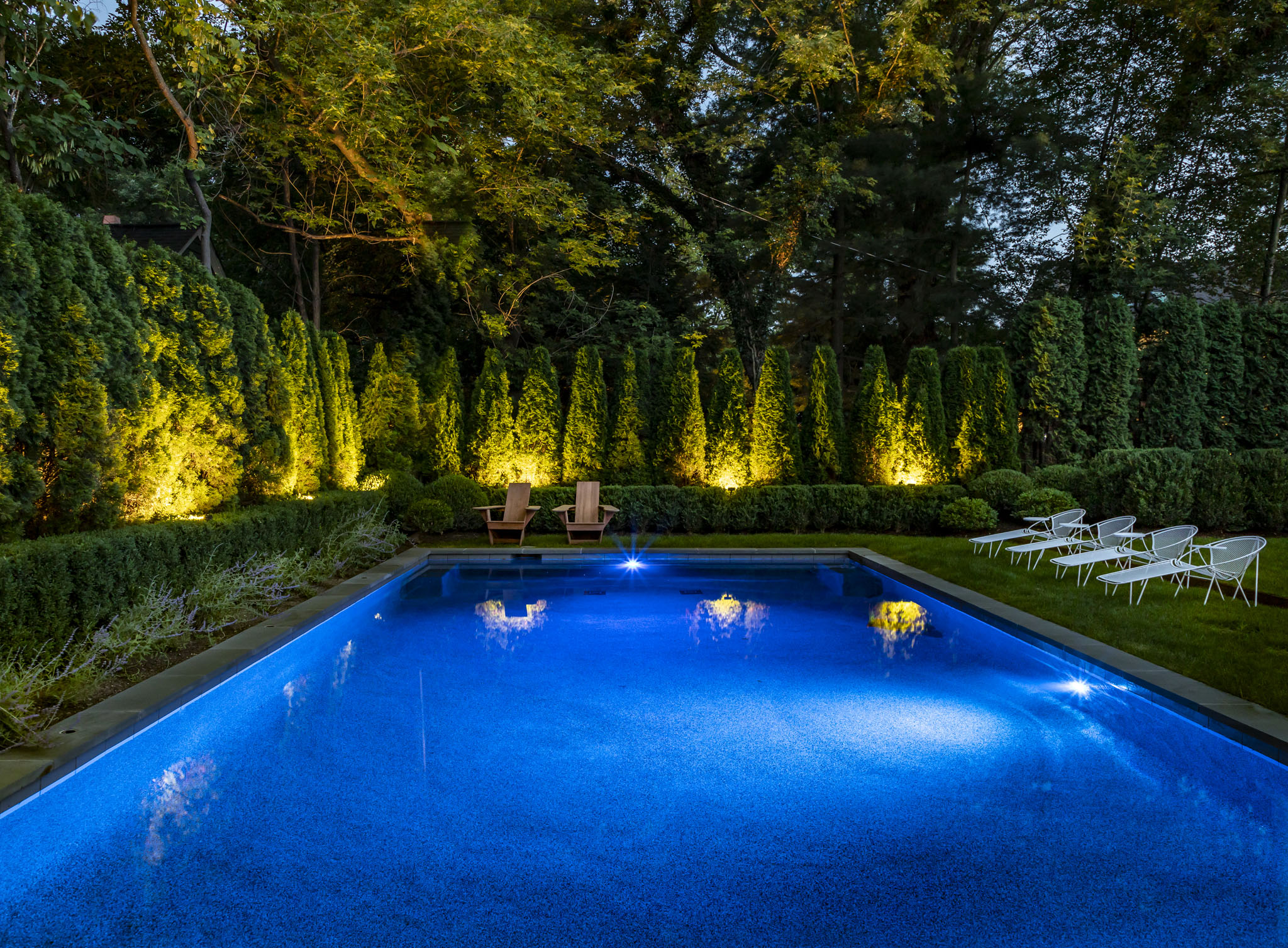
Uplights
Purpose: Add drama and depth.
Uplights highlight:
- Stone facades
- Columns
- Trees
- Textured materials
Position at the base of vertical features to create shadow play and dimension.
Uplighting transforms flat facades into layered compositions.
Post Lights
Purpose: Define boundaries and driveways.
Post lights:
- Guide guests
- Add vertical rhythm
- Reinforce landscape structure
Choose styles that match your architectural tone.
Why Layered Lighting Improves Curb Appeal
Single source lighting creates harsh shadows.
Layered lighting:
- Highlights doors and windows
- Adds warmth and character
- Improves nighttime photography
- Increases perceived property value
Homes with intentional lighting appear more maintained and more secure. Lighting extends your exterior design into the evening hours.
What Color Temperature Is Best for Exterior Lighting?
Use warm white lighting between 2700K and 3000K.
Warm tones:
- Feel inviting
- Complement stone and wood
- Avoid sterile brightness
Cool white lighting often feels harsh on residential exteriors. Warm light enhances texture.
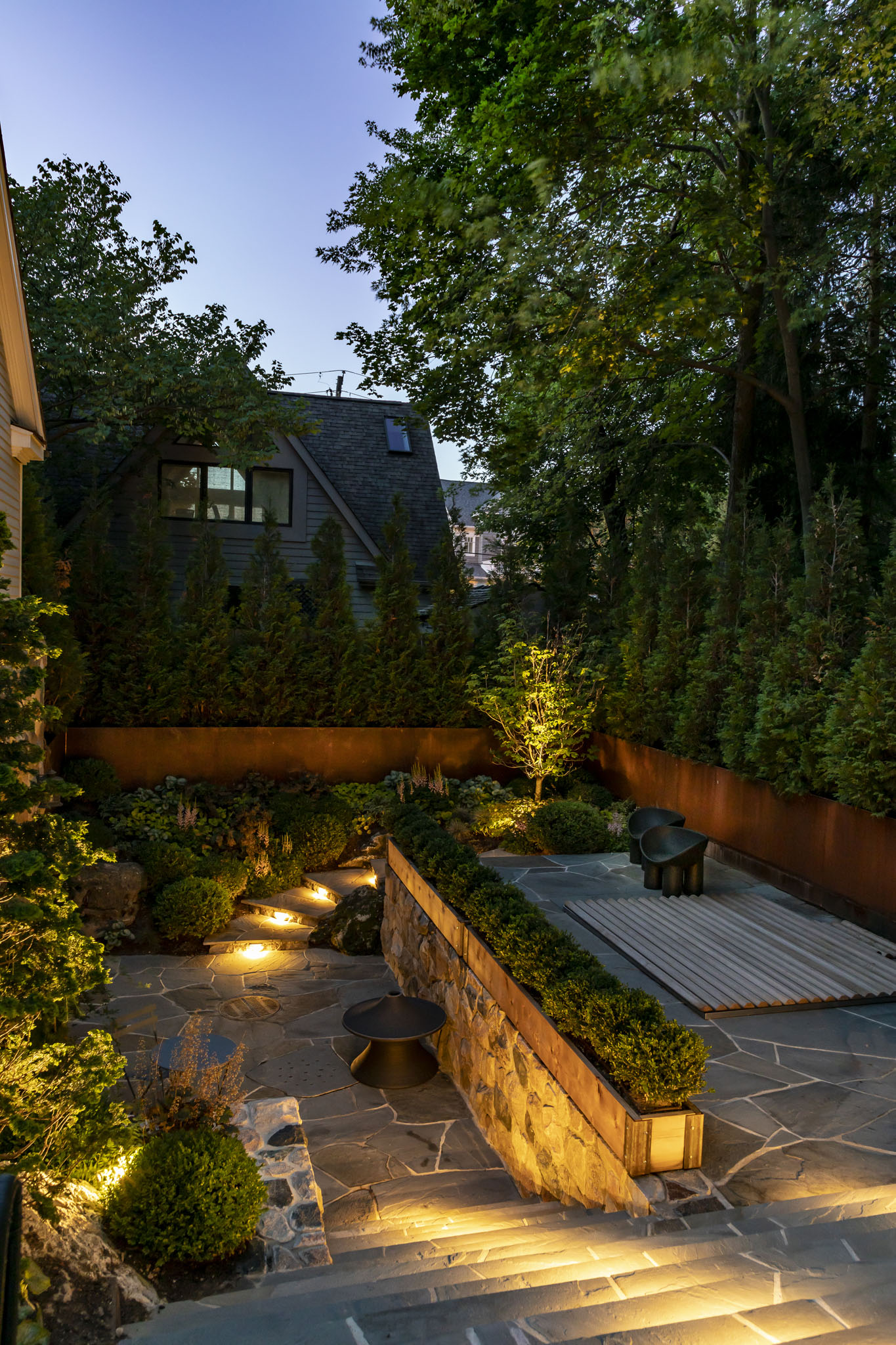 Image Source
How Bright Should Exterior Lights Be?
Choose brightness based on purpose:
- 40 to 60 watts equivalent for accents and path lights
- 75 to 100 watts equivalent for entry sconces
- 150 watts equivalent for large areas such as driveways
Brightness should support visibility without overpowering the facade. Exterior lighting should guide, not flood.
Should You Add Smart Lighting or Motion Sensors?
Smart lighting systems allow:
- Scheduled on and off timing
- Remote control
- Adjustable brightness
- Color temperature changes
Motion sensors improve security and reduce energy waste. Lighting should be both strategic and responsive.
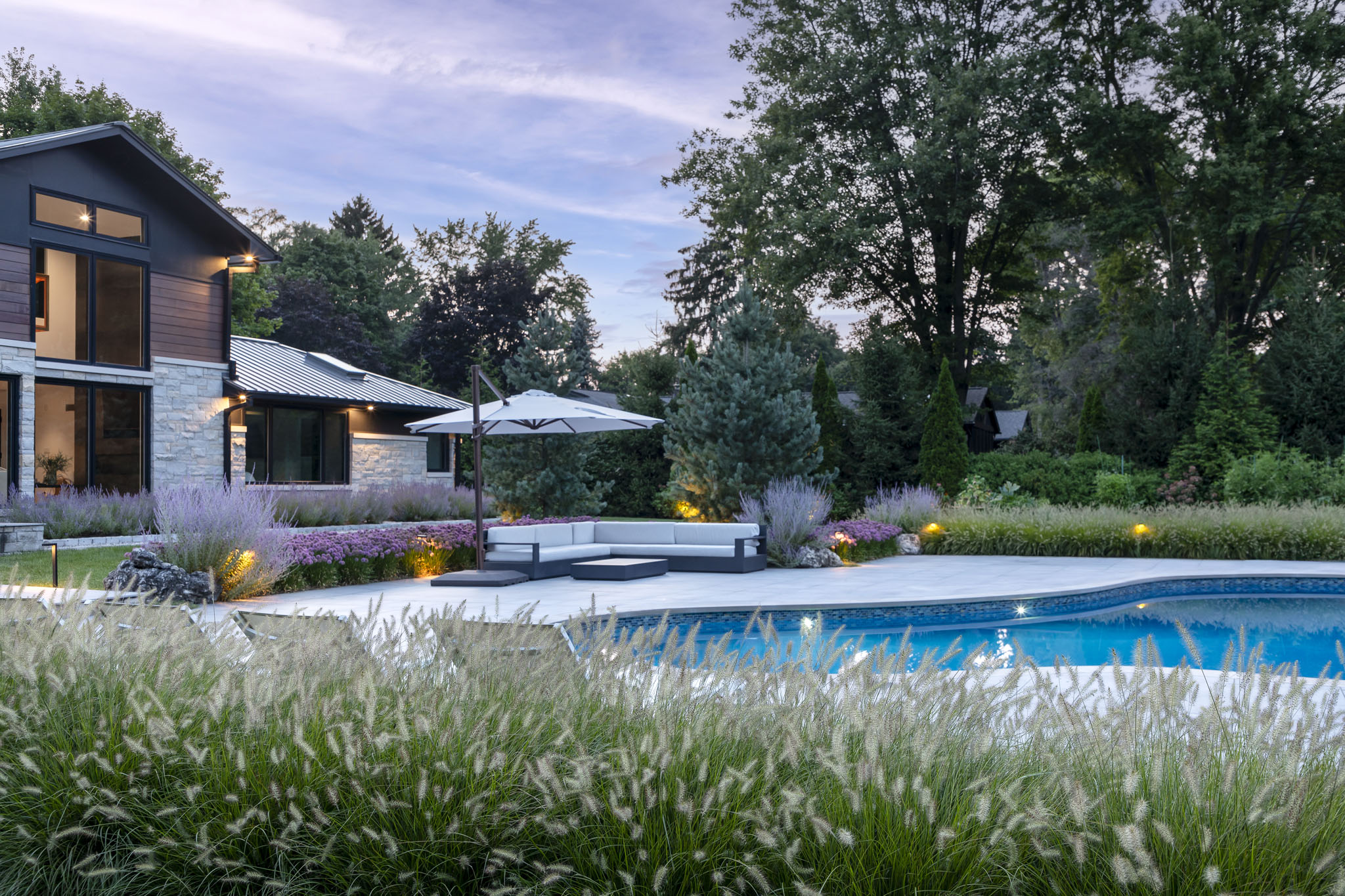 Image Source
How to Highlight Architectural Features With Lighting
Lighting can emphasize:
- Stone textures
- Columns
- Trim details
- Landscaping
- Entry focal points
Use uplights and sconces to draw attention to what makes your home unique. Lighting reveals design layers that disappear in darkness.
_1772056454.jpg) Image Source
Image Source
Ready to Elevate Your Home’s Exterior?
Exterior lighting is not just about brightness. It is about balance, scale, and architectural emphasis.
At Dzinly, we help homeowners visualize complete exterior transformations including siding, stone, roofing, windows, and lighting design.
If you are considering updating your home’s exterior, start with a design strategy before installation begins.
Let
Dzinly help you create a home that stands out both day and night.


_1772056753.jpg)
_1772055138.jpg)
_1772055176.jpg)
_1772055616.jpg)

No comment on this post.