
Emily Day
10/20/2023Exploring Exterior Cladding: Comparing the Pros and Cons of Various Materials. Examine the pros and cons of popular exterior cladding materials, including brick, stone, wood, stucco, vinyl, fiber cement, and metal panels. Use our guide to help pick out the best materials suited for your clients' needs and simplify every project!
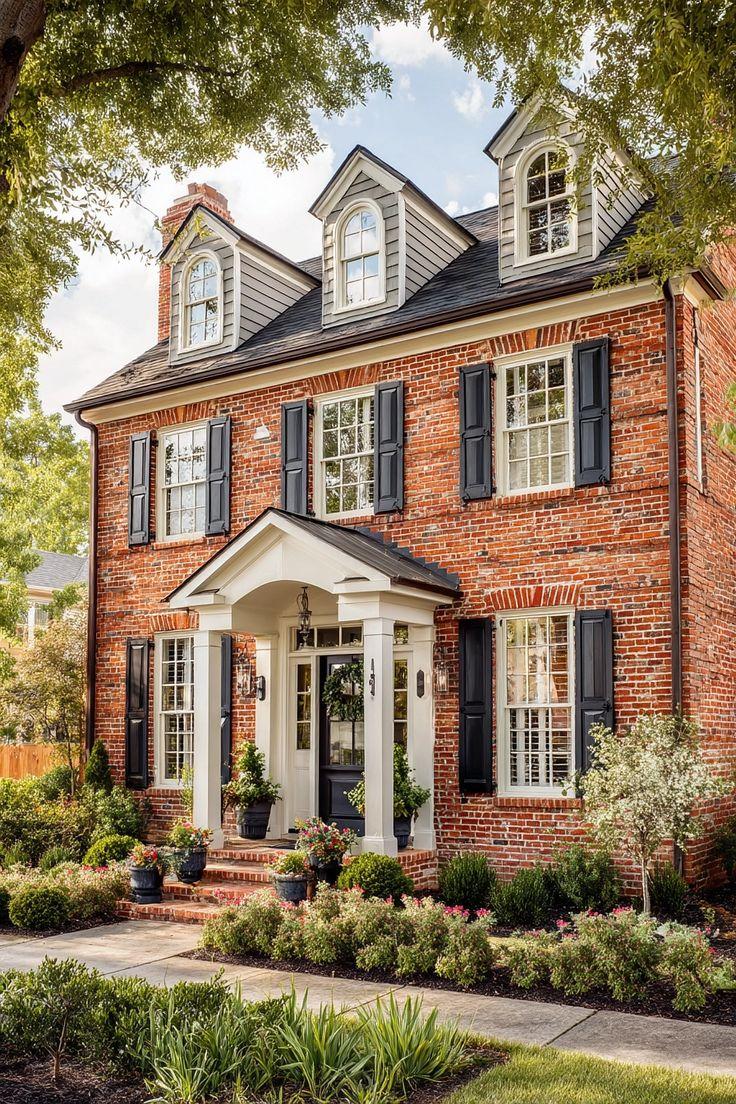
| Pros Timeless Aesthetic: Brick cladding provides a classic and timeless look that works well with various architectural styles. Durability: Bricks are highly durable and can withstand harsh weather conditions, including rain, wind, and temperature fluctuations. Low Maintenance: Bricks require minimal maintenance, typically needing only occasional cleaning to maintain their appearance. Fire Resistance: Bricks are fire-resistant, contributing to the safety of the structure. Sound Insulation: Bricks offer good sound insulation properties, helping to reduce noise transmission from outside. Recyclable: Bricks are easily recycled and reused. | Cons Cost: Brick cladding can be relatively expensive, both in terms of material cost and installation. Limited Design Flexibility: While bricks come in various colors and sizes, they may not offer the same level of design flexibility as other materials. Installation Time: Installing bricks can be time-consuming, which can lead to increased labor costs. Environmental Concerns: Brick production can have environmental impacts, including high energy consumption and greenhouse gas emissions. |
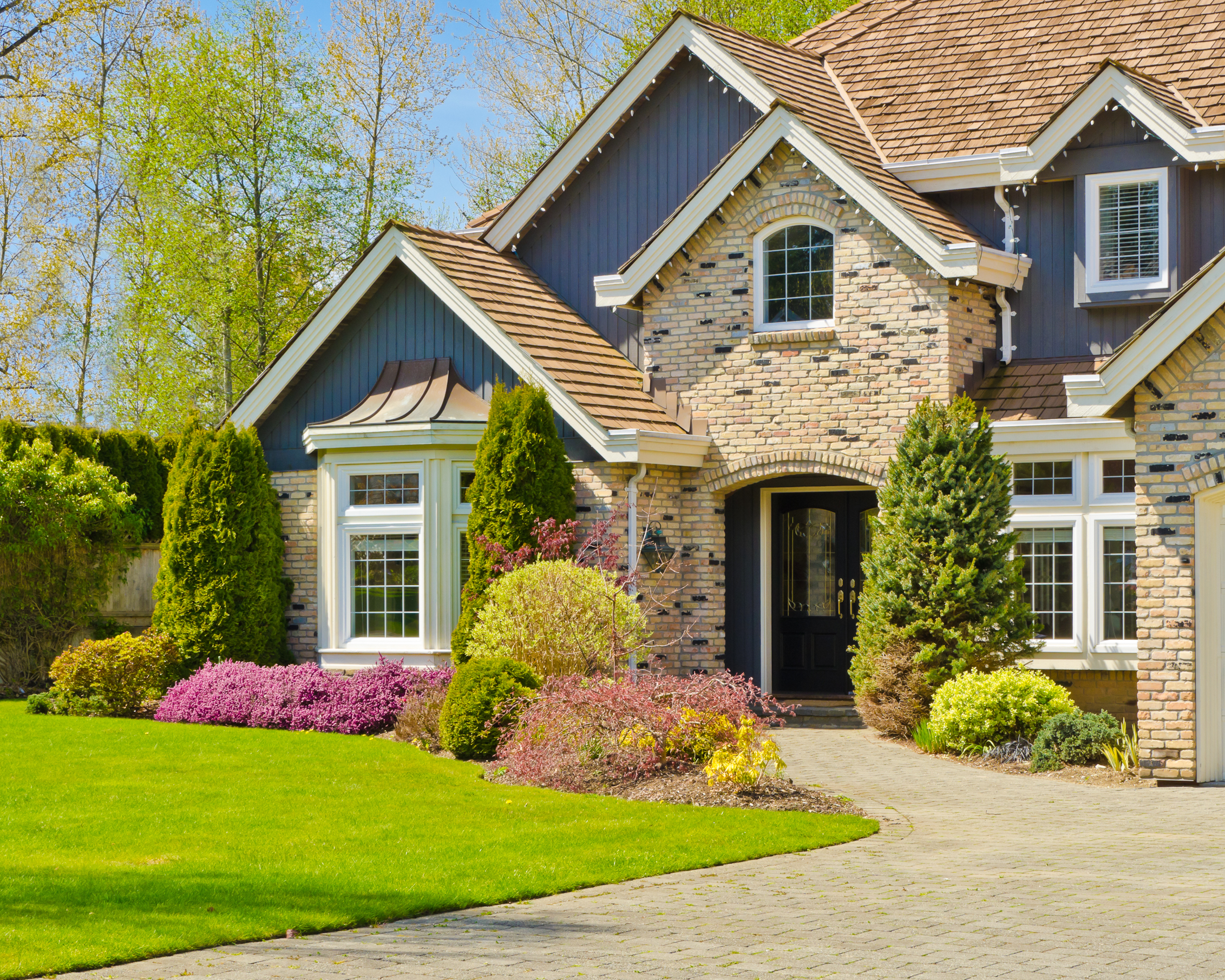
| Pros Natural Beauty: Stone cladding exudes natural beauty, adding elegance and a sense of luxury to a structure. Durability: Natural stone is exceptionally durable and can last for generations. Variety: Stone cladding comes in a wide range of colors, textures, and types, allowing for diverse design options. Low Maintenance: Like bricks, stone cladding requires minimal maintenance and can be cleaned periodically to maintain its appearance. Fire Resistance: Natural stone offers excellent fire resistance. Insulation: Stone is an excellent insulator, reducing other costs like heat and cooling in the long run. | Cons Cost: Stone is often one of the more expensive options due to the cost of the material and installation. Weight: Natural stone is heavy, which can require additional structural support and increase installation complexity. Installation Expertise: Proper installation of stone cladding requires skilled labor, adding to the overall project cost. Environmental Concerns: Quarrying and transporting natural stone can have negative environmental impacts. Maintenance: Stone is difficult to repair when damaged, and susceptible to bacterial and fungal growth |
_1768325336.jpg)
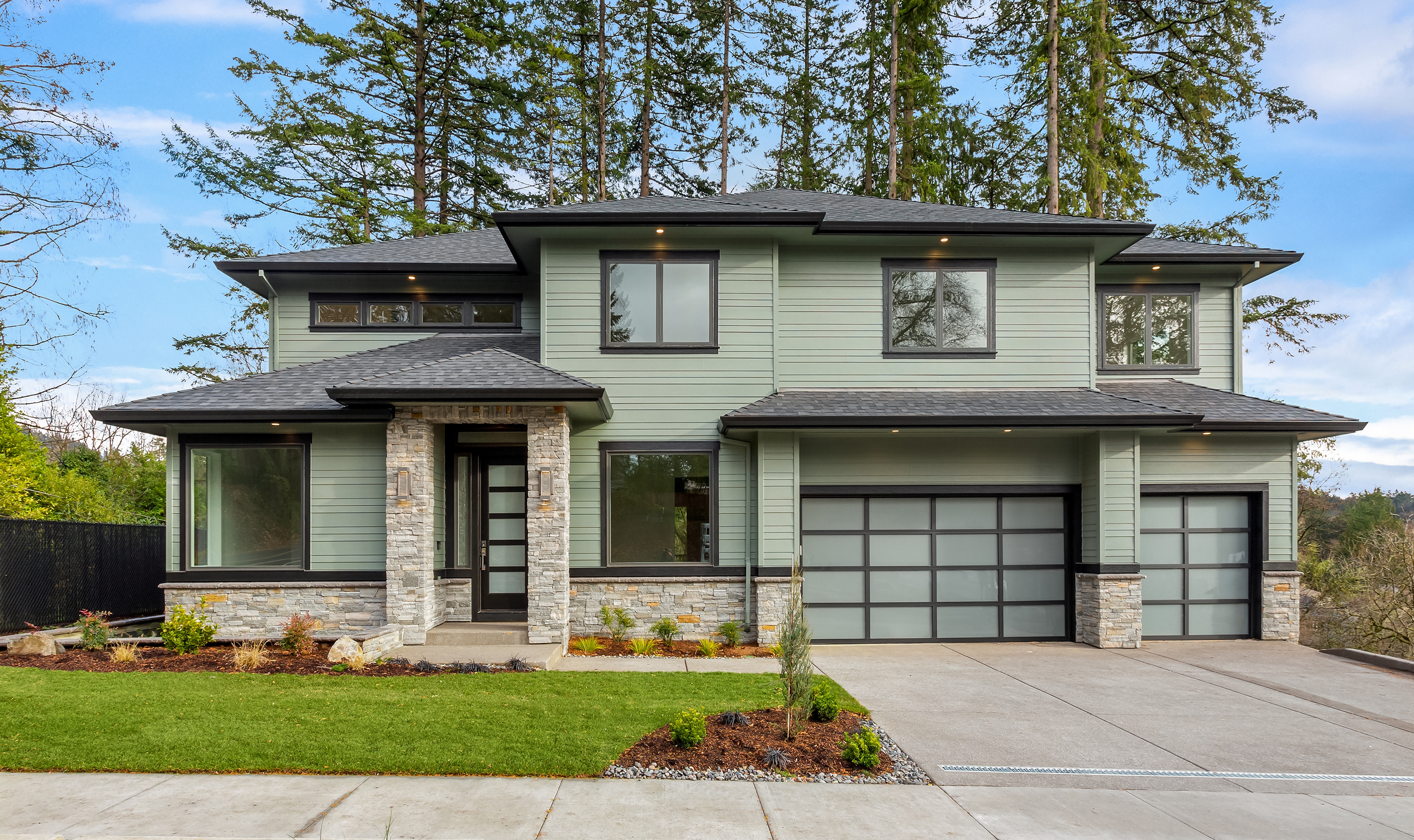
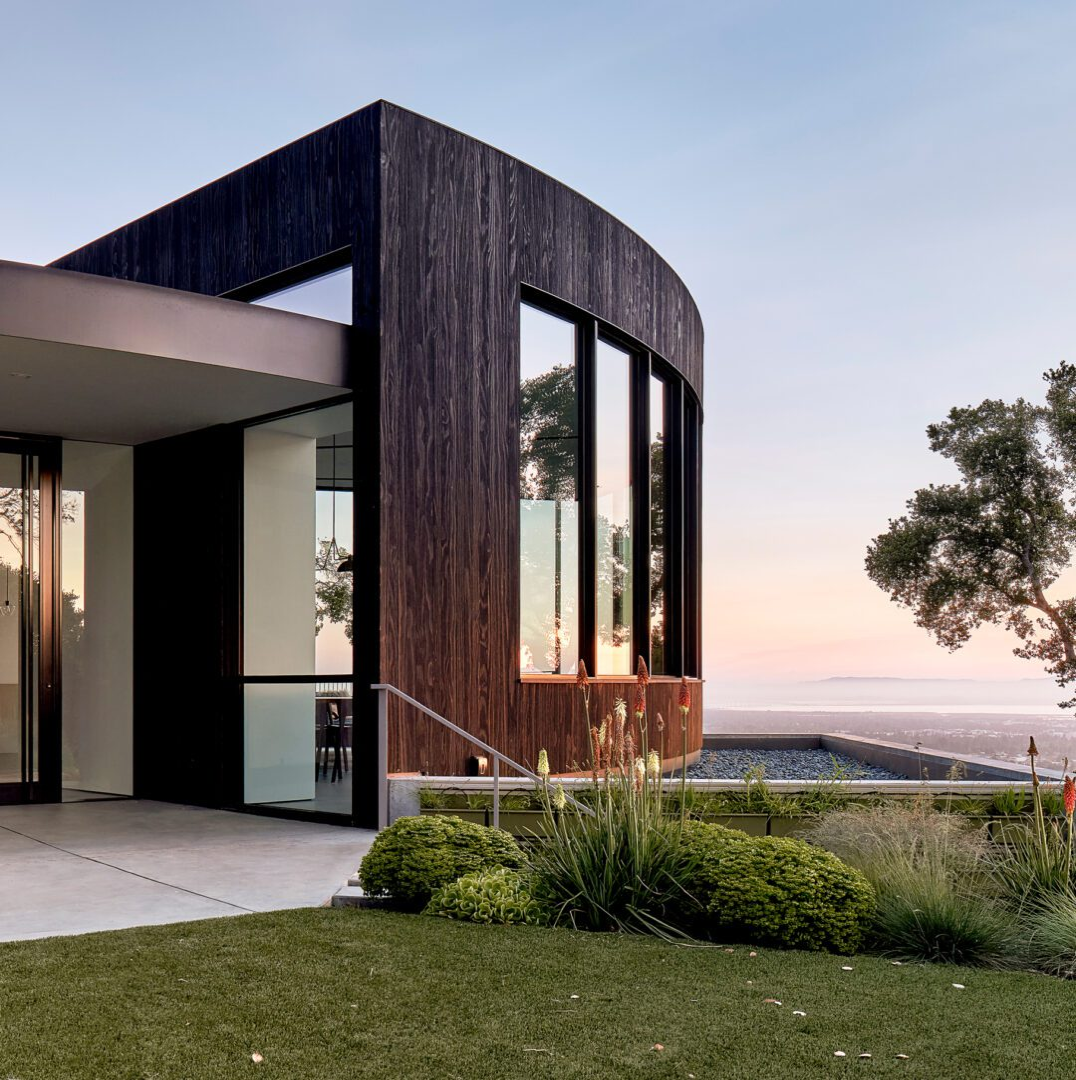
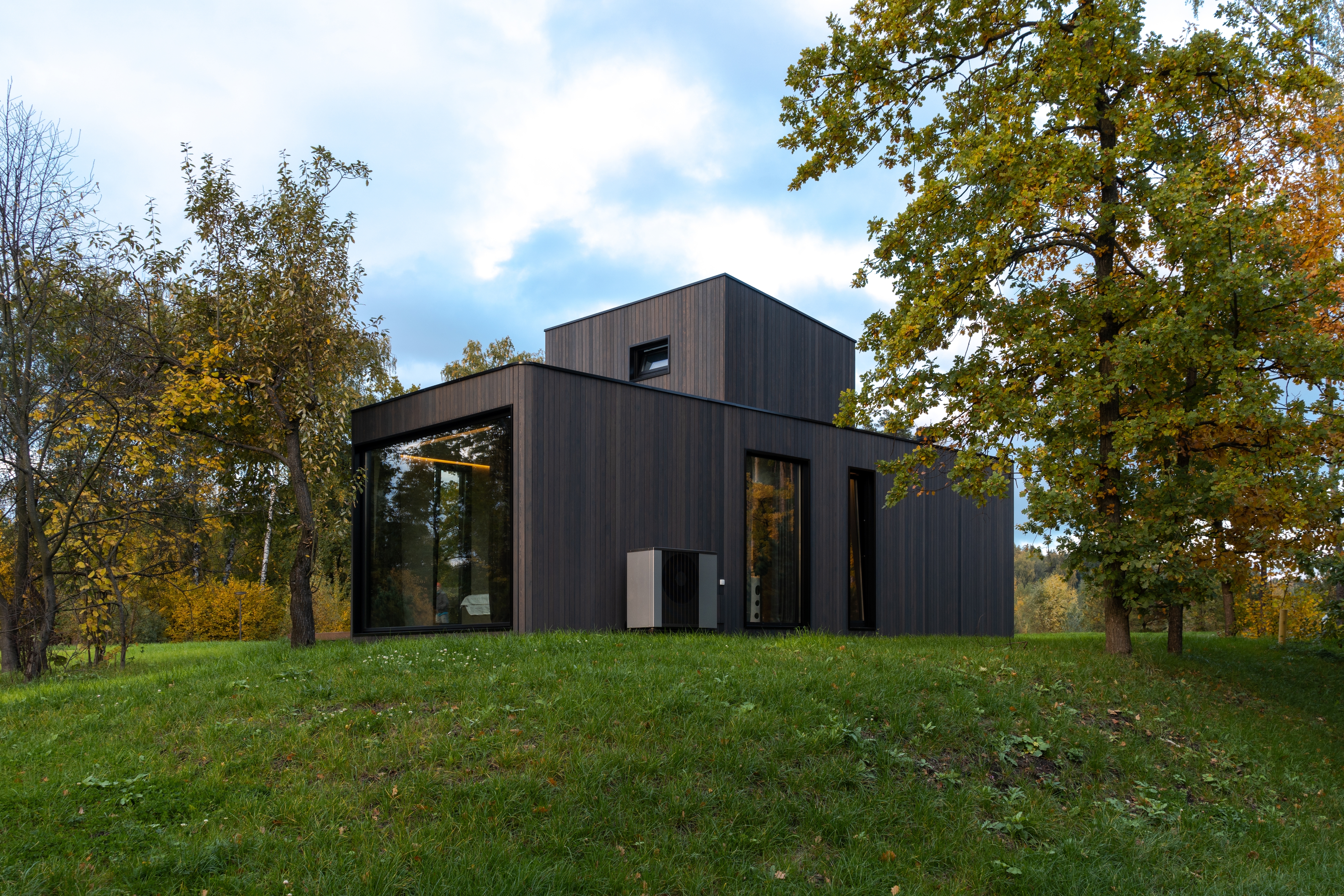
| Pros Natural Aesthetic: Offers a warm and organic appearance. Versatility: Can be stained or painted for various design styles. Durability: Wood cladding has high impact resistance. Insulation: Provides decent insulation for energy efficiency. Eco-Friendly: Sustainable sourcing and biodegradability make it environmentally friendly. | Cons Maintenance: Requires regular sealing and staining to prevent weathering and insect damage. Cost: Can be relatively expensive, and installation costs may vary. Vulnerability: Susceptible to moisture-related issues like rot if not properly maintained. Stability: Wood Cladding is not as stable as other claddings as it expands and contracts with changing seasons. Fire Risk: Poses a fire hazard, necessitating additional fire-resistant measures in some areas. |
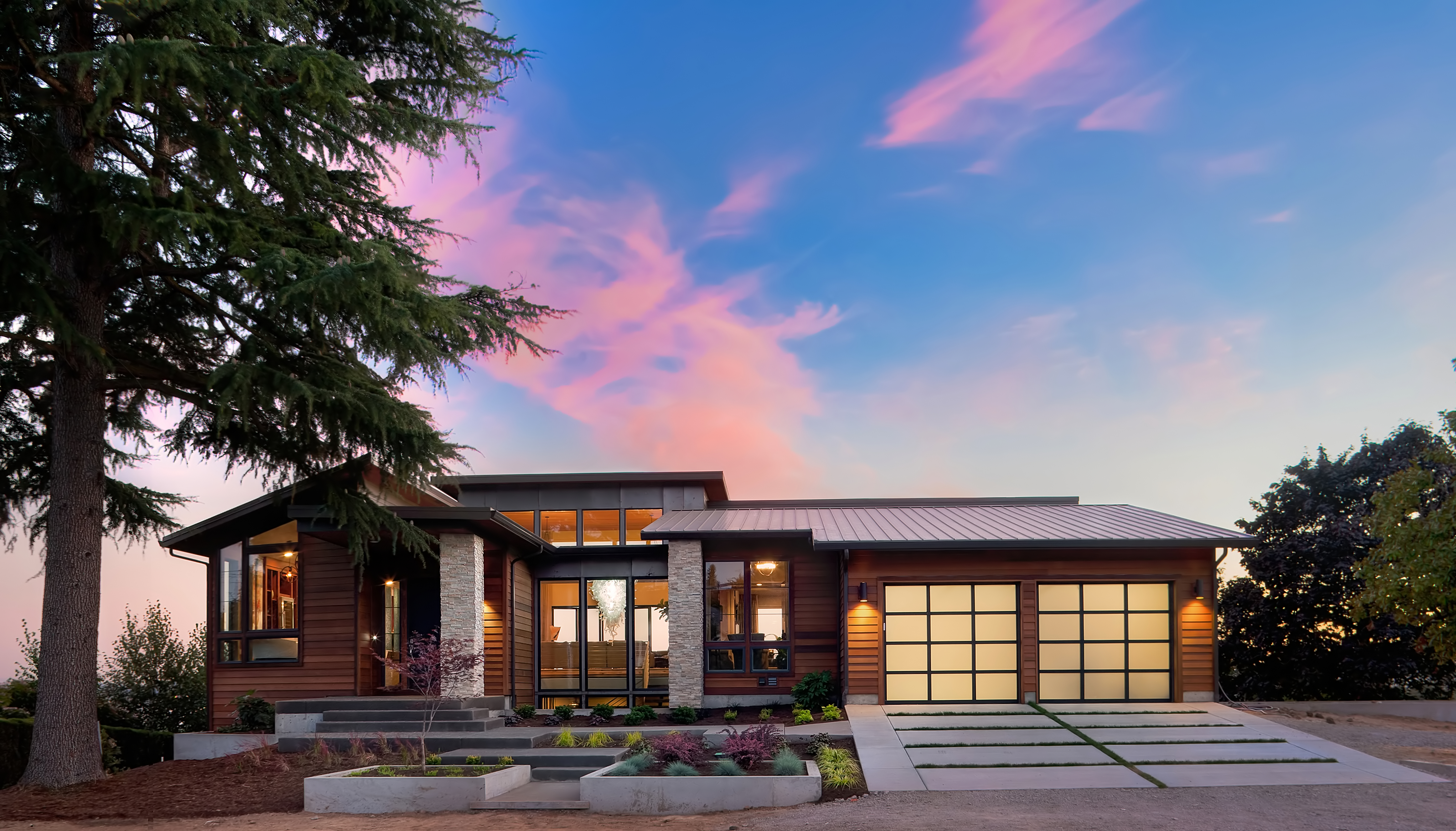


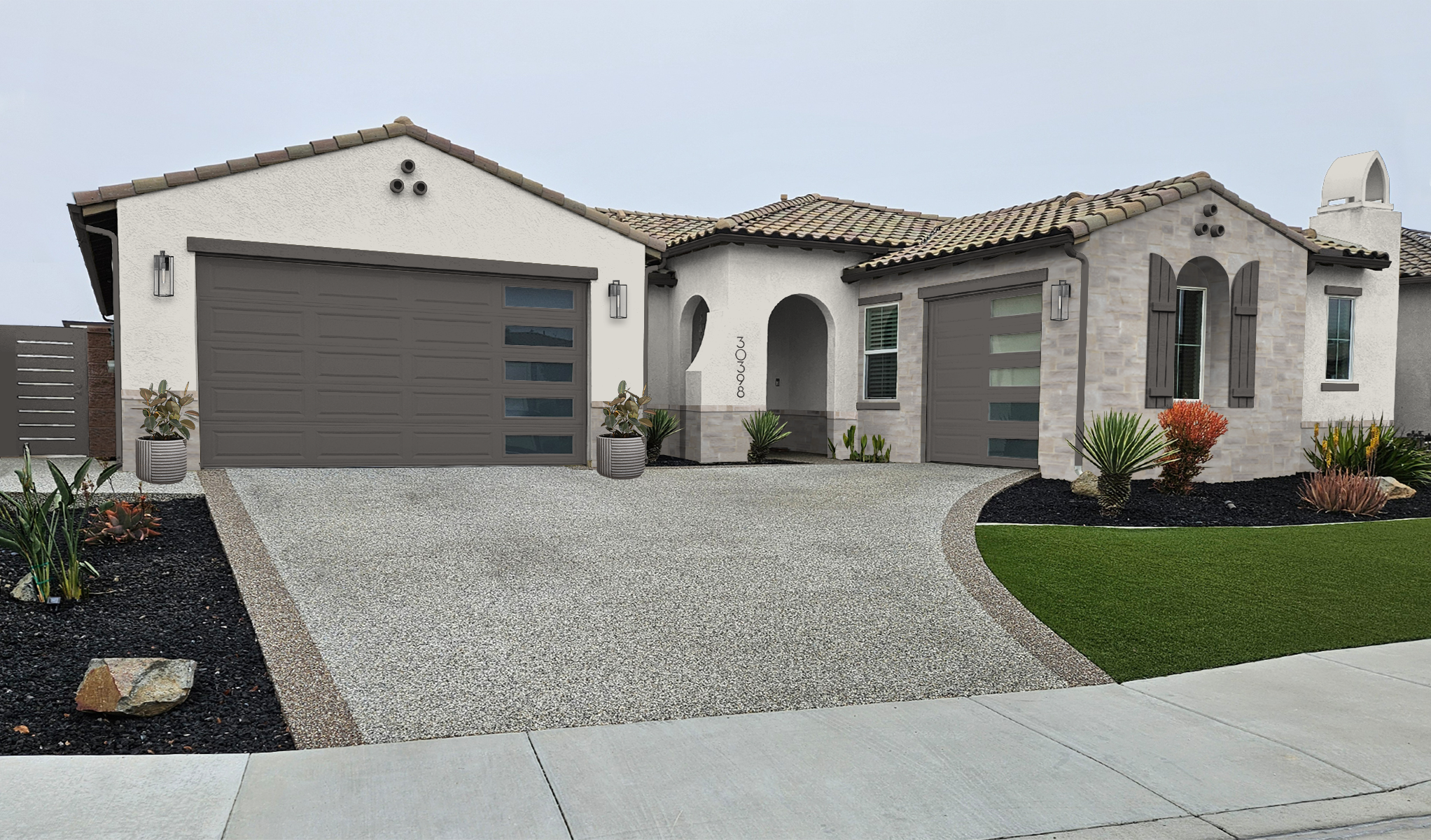
| Pros Aesthetic Appeal: Offers a smooth, clean, and versatile appearance. Cost: Stucco is traditionally made out of cement, water, and sand, making it relatively low-cost. Durability: Resistant to weather, pests, and fire when properly applied. Energy Efficiency: Enhances insulation and energy efficiency. Low Maintenance: Requires minimal upkeep and repainting. Variety: Stucco comes in a wide variety of colors and textures | Cons Cracking: Prone to cracking over time, requiring periodic maintenance. Limited Design Flexibility: Not as versatile in design as some other materials. Moisture Sensitivity: Improper application can lead to moisture-related issues. Stucco is also prone to cracking when applied in areas with large temperature fluctuation. |
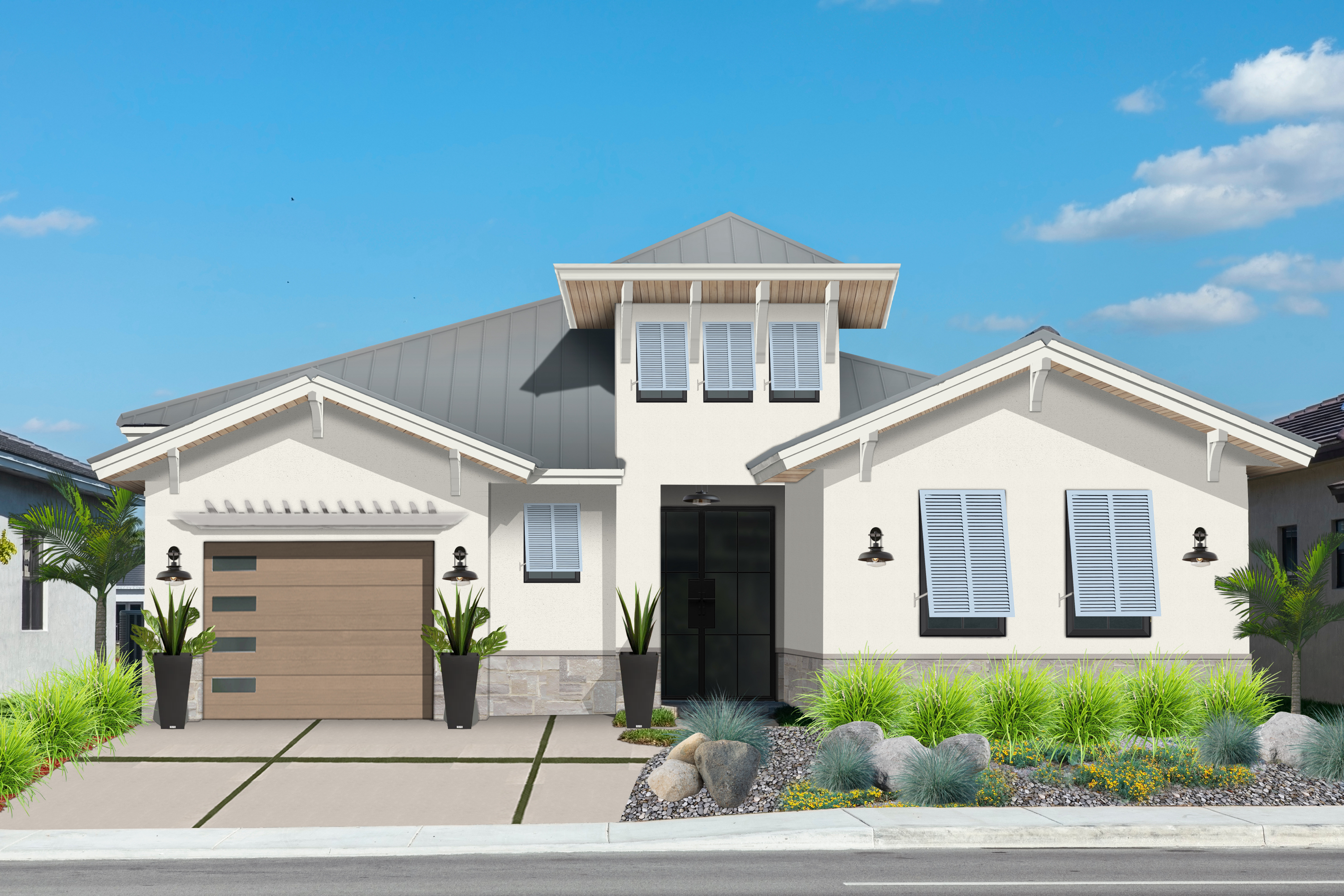
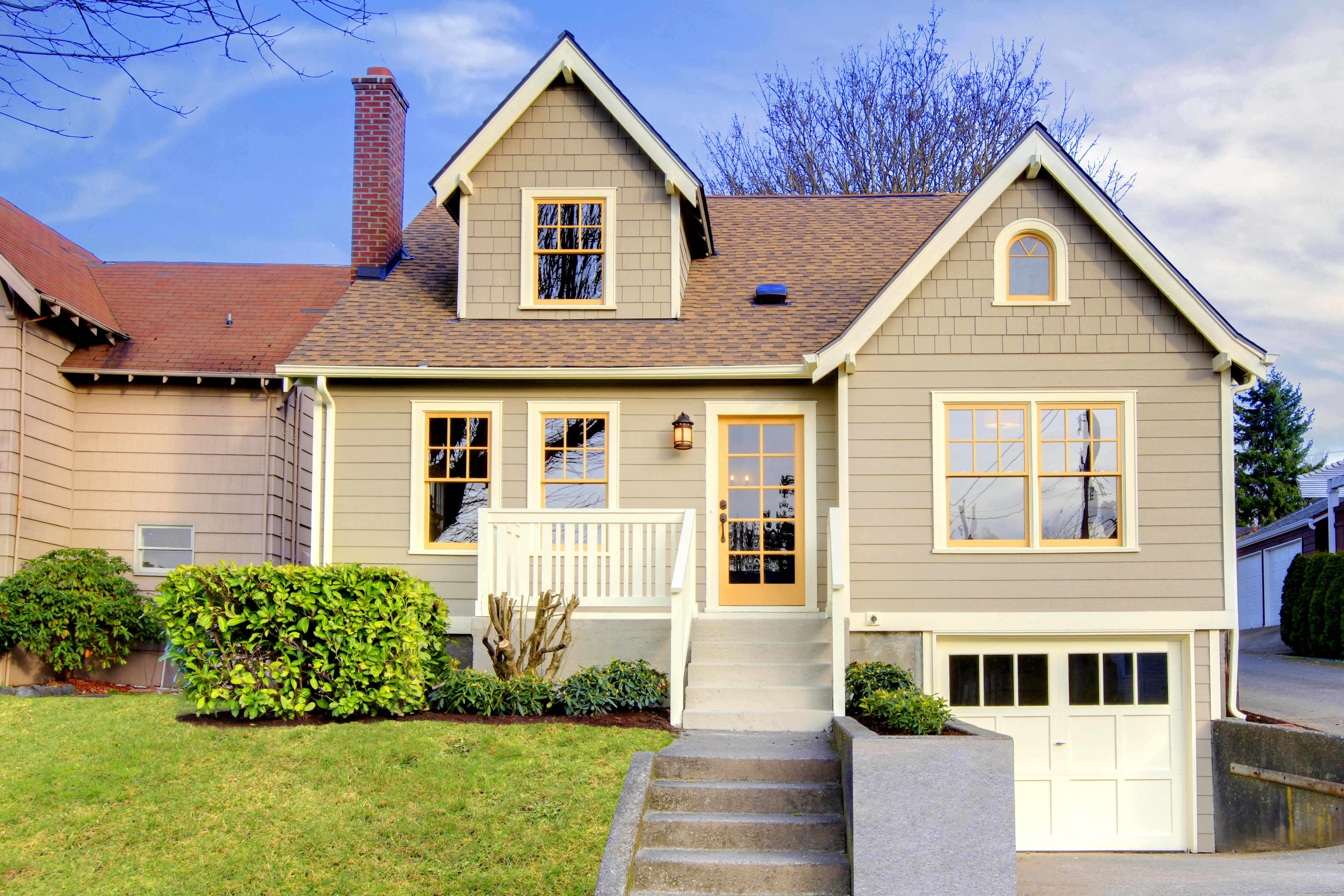
| Pros Cost-Effective: One of the most affordable cladding options. Low Maintenance: Requires minimal upkeep and no painting. Durability: Resistant to weather, pests, and rot. Wide Range of Styles: Available in various styles, colors, and textures. | Cons Aesthetic Limitations: May not offer the same level of visual warmth as natural materials. Fading: Colors may fade over time due to UV exposure. Limited Insulation: Provides less insulation compared to some other materials. Installation: Without proper installation, Vinyl siding can result in damage from storms and moisture build up. |
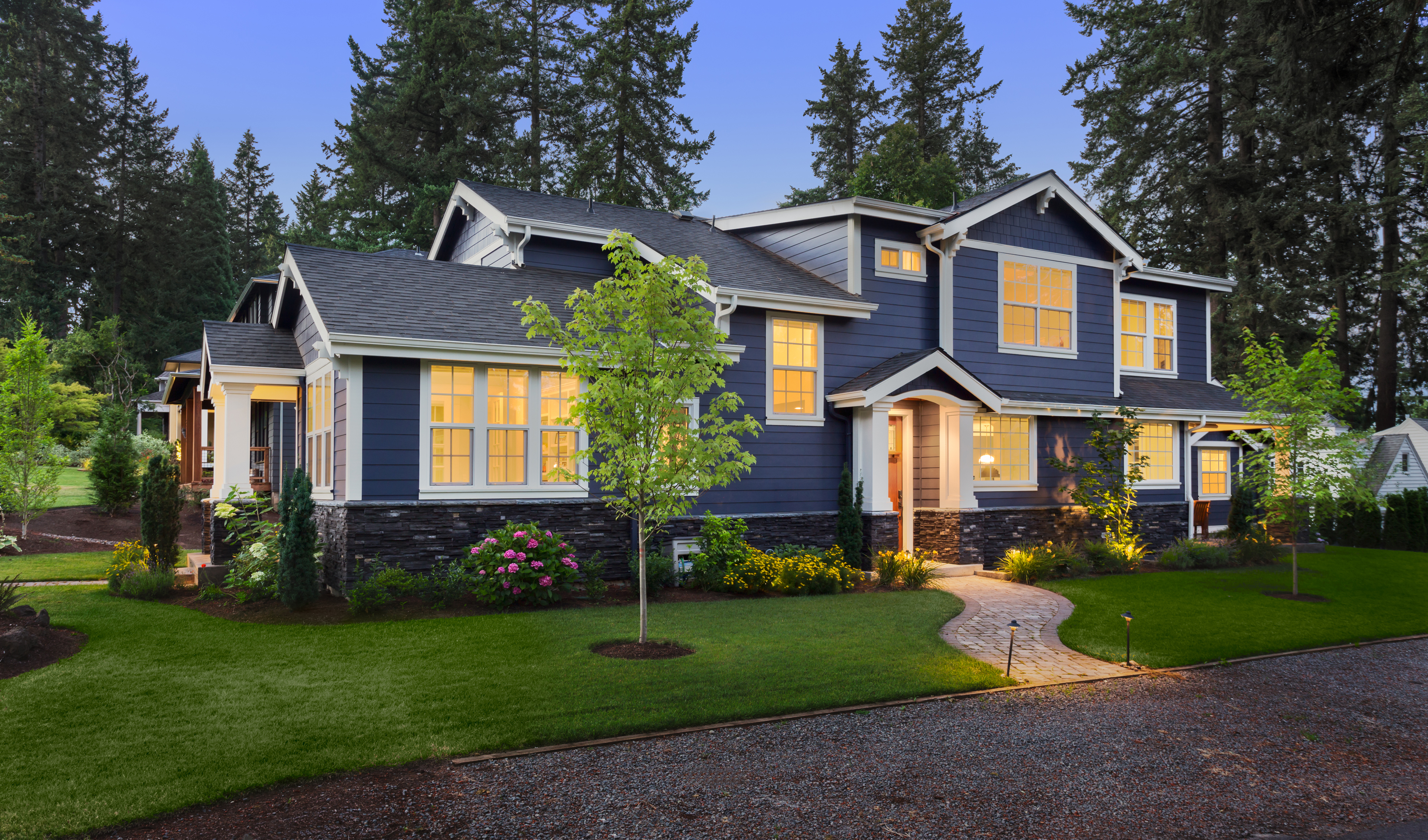
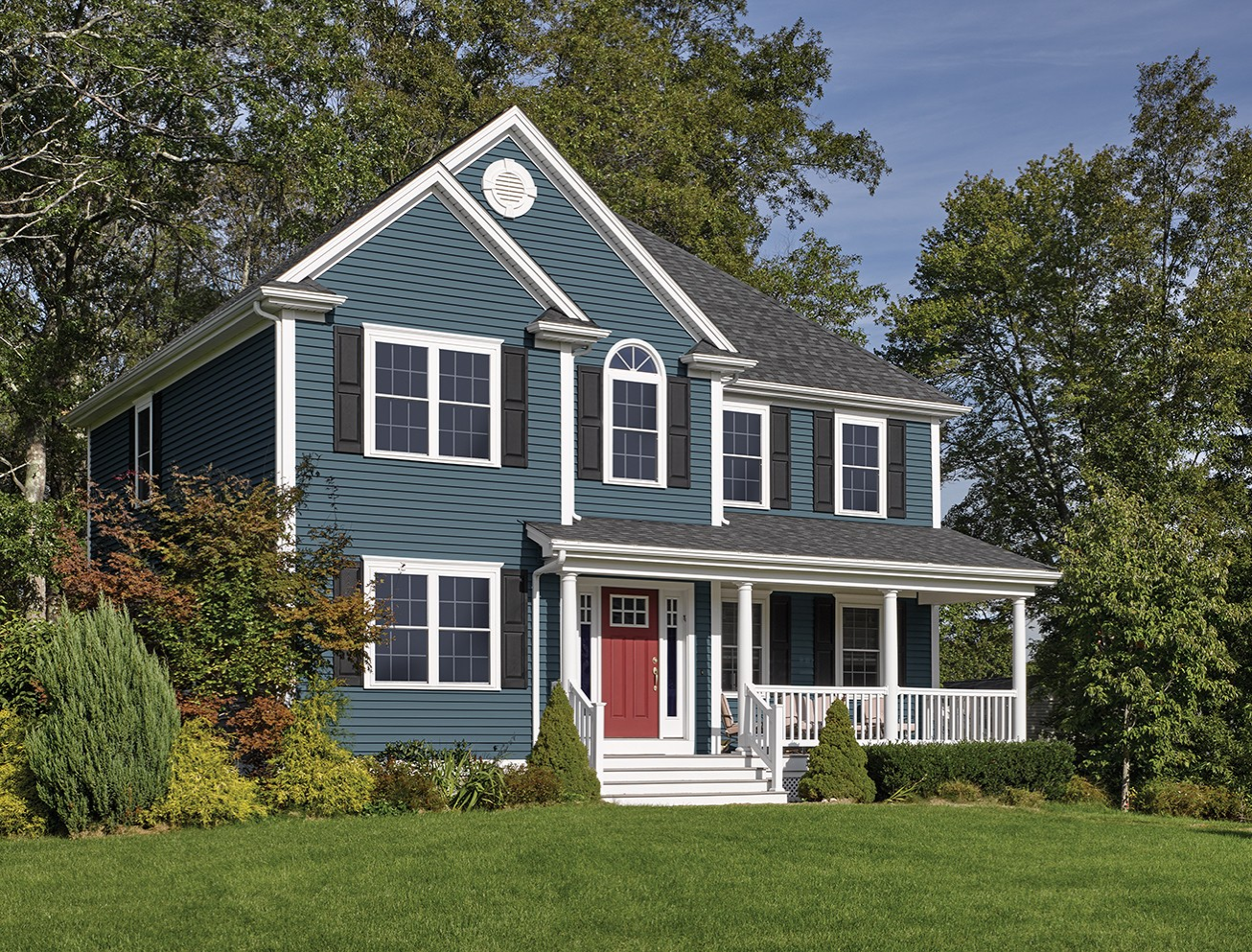

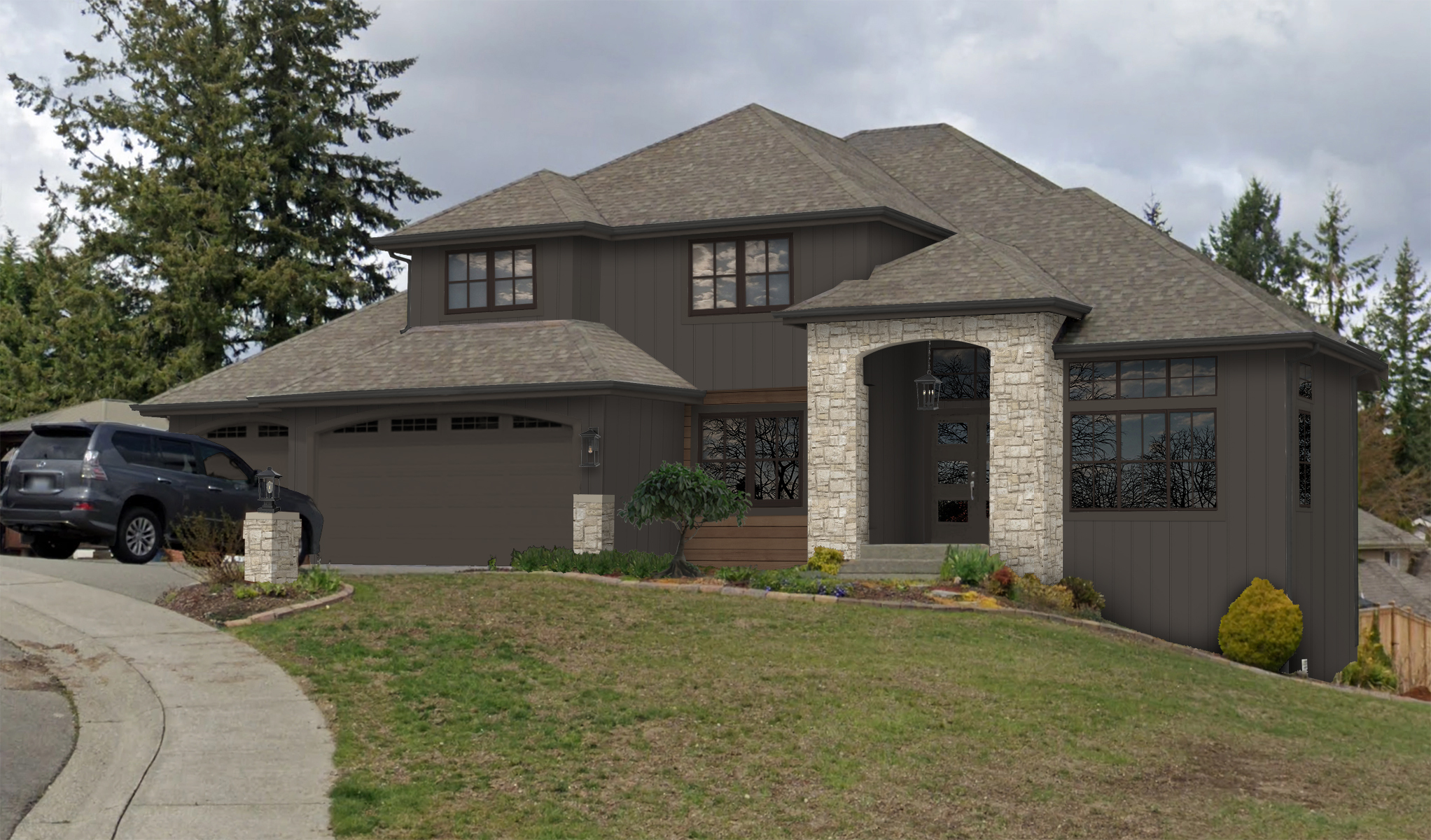
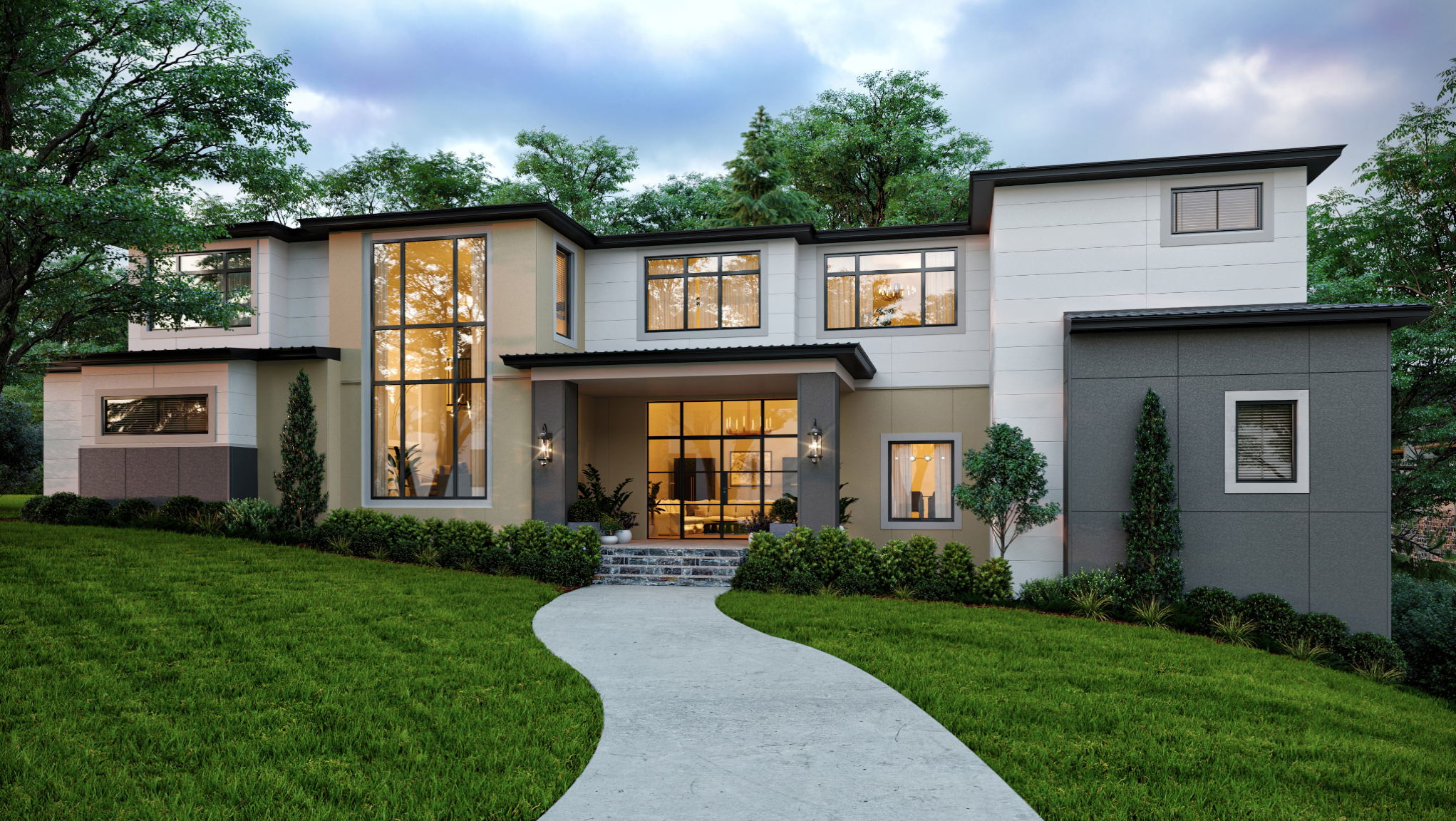
| Pros Look: Expensive Look Durability: Highly resistant to weather, pests, and rot. Low Maintenance: Requires minimal upkeep and repainting. Versatility: Available in various styles, textures, and finishes. Fire Resistance: Offers excellent fire resistance properties. | Cons Weight: Heavier than some other cladding materials, requiring additional support. Cost: Can be relatively expensive, including installation costs. Installation Complexity: Requires skilled labor for proper installation. Dust Hazard: Dust from cutting can pose health risks, requiring precautions. |
_1768327062.jpg)
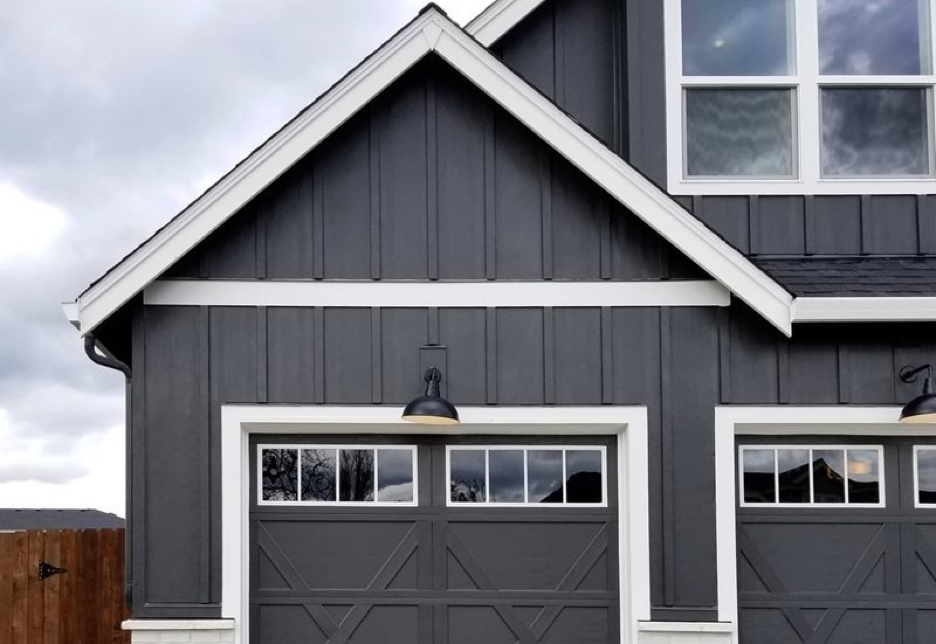
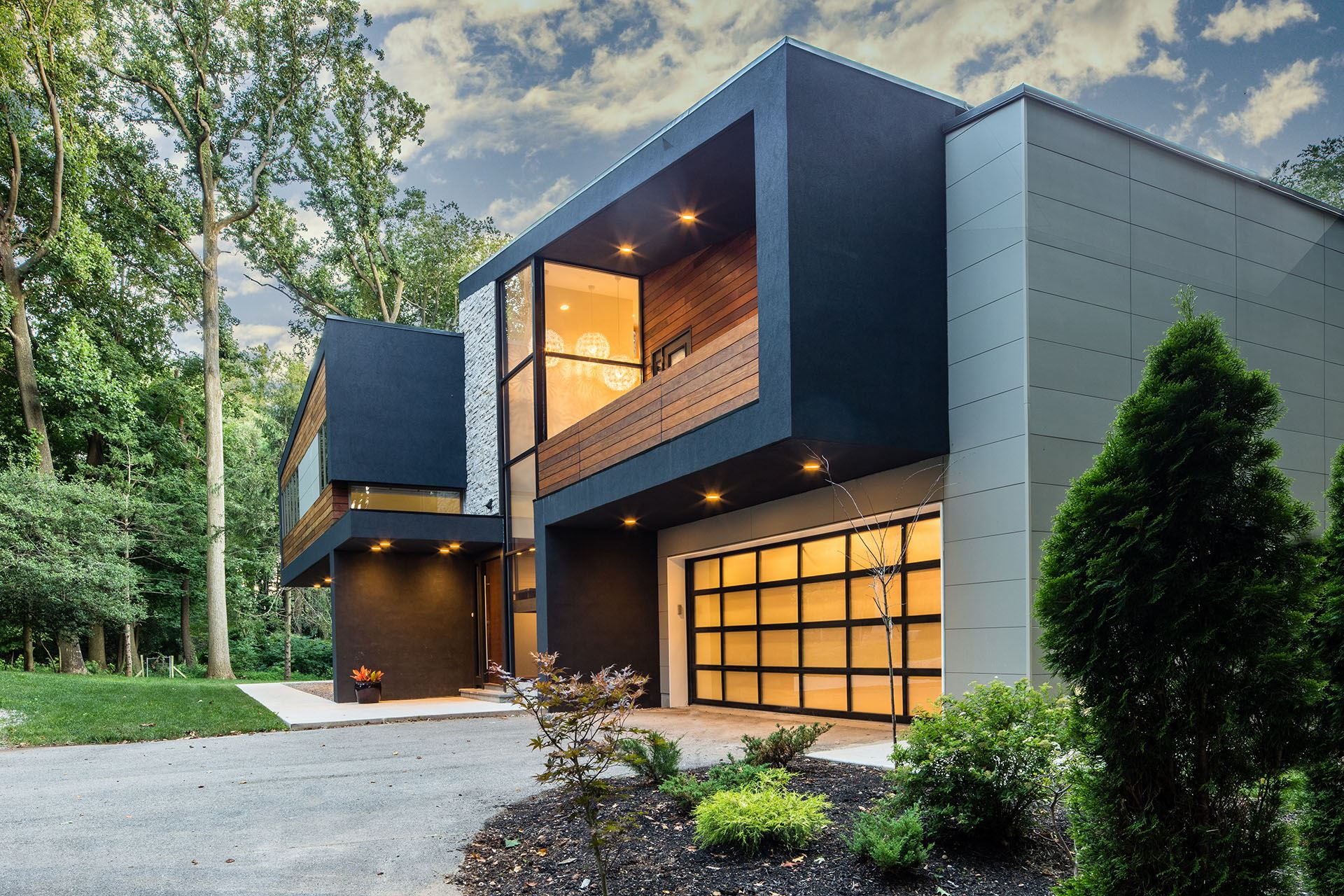
| Pros Modern Aesthetic: Offers a sleek and contemporary appearance. Durability: Resistant to weather, pests, and fire. Low Maintenance: Requires minimal upkeep and no painting. Sustainability: Often recyclable and energy-efficient. | Cons Cost: Initial material cost can be higher than some options. Limited Insulation: Provides minimal insulation properties. Dents: Prone to dents and damage from impacts. Noise: May amplify external noise due to its thin profile. |



No comment on this post.