Why Perennials Improve Curb Appeal Long-Term
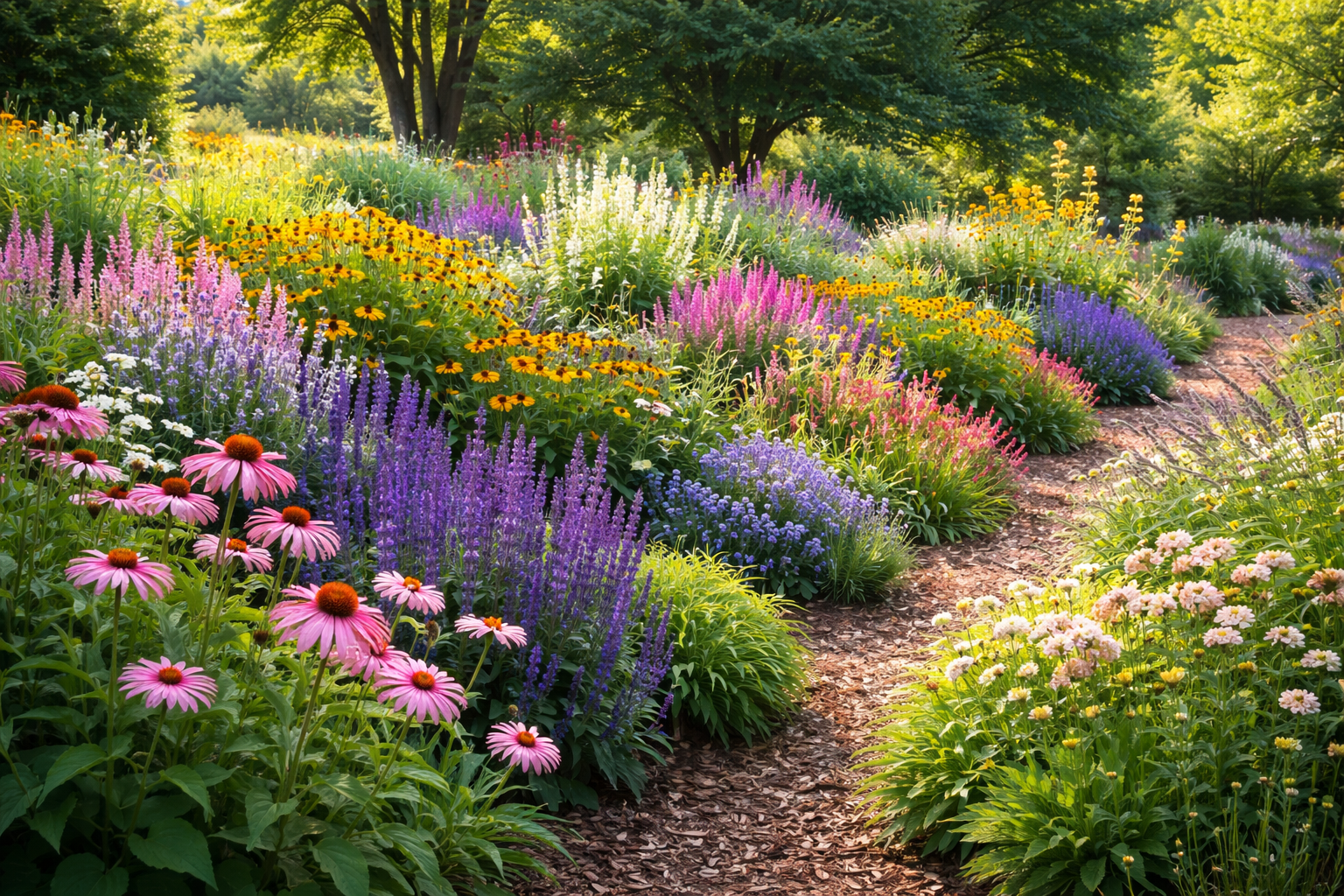
Perennials are plants that return year after year, unlike annuals that complete their life cycle in one season or biennials that take two. Because they reappear reliably, perennials create consistent structure, color, and texture in a landscape over time.
Beyond aesthetics, perennials reduce replanting costs, stabilize garden beds, and contribute to healthier ecosystems by supporting pollinators and wildlife.
How to Plan a Perennial Garden That Thrives
A successful perennial garden depends more on planning than plant selection alone.
Start With Climate, Soil, and Sun
Identify your hardiness zone, understand your soil conditions, and observe how sunlight moves across your yard. These factors directly determine which perennials will survive and perform well year after year.
Apply Simple Design Principles
Layer plants by height to create depth, plan staggered bloom times for continuous interest, and use focal points to guide the eye. Mixing flowers, foliage, and grasses creates a more balanced and intentional look.
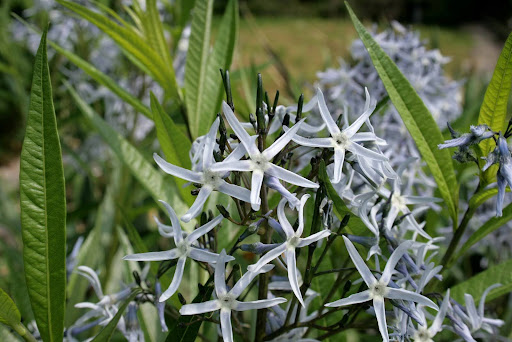
Amsonia Bluestar
Native Perennials That Support Wildlife From Spring to Fall
Native North American perennials are adapted to local conditions and provide reliable food and shelter for pollinators throughout the growing season.
Prioritizing native plants helps create a healthier landscape that evolves naturally with the seasons.
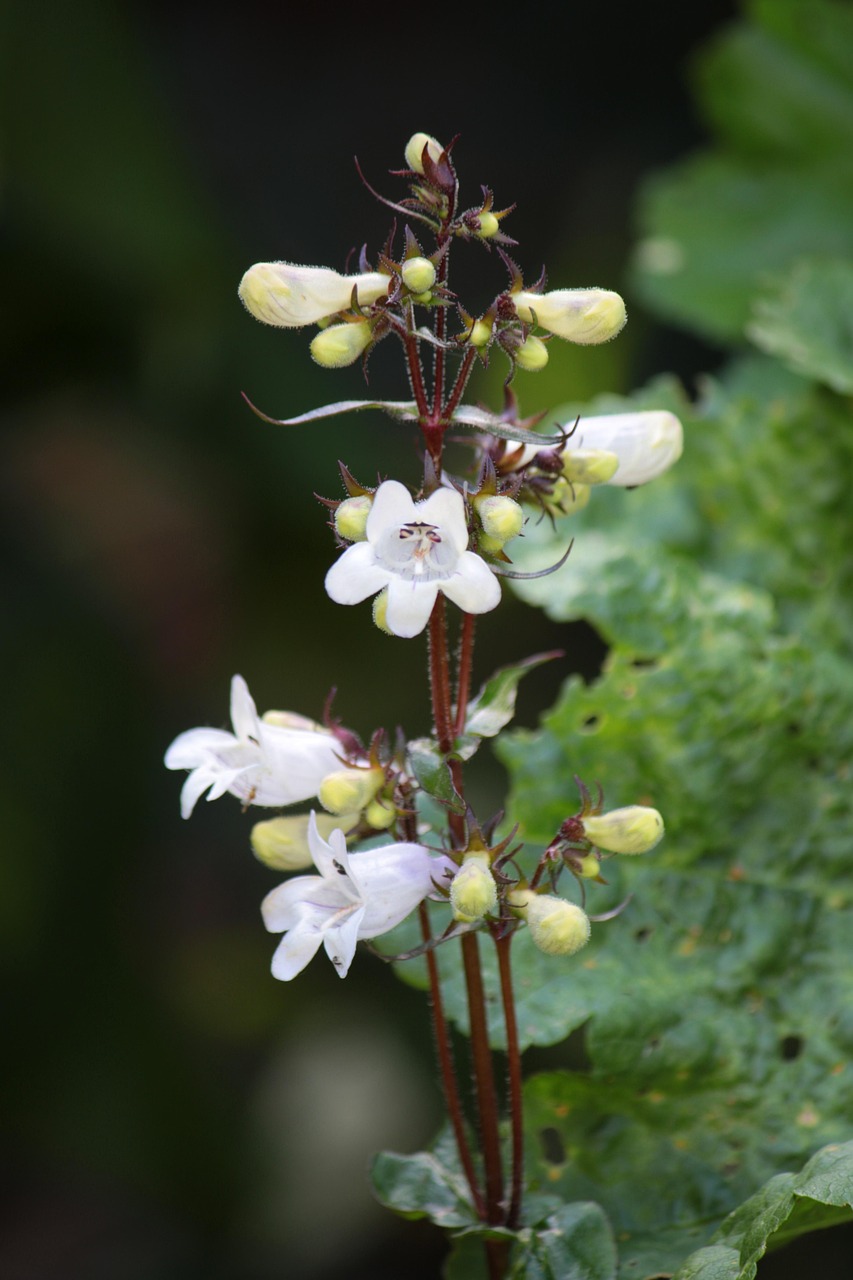
Penstemon Beardtongue
“To boost wildlife in gardens from spring to fall, prioritize native perennials and avoid pesticides. Leave leaf litter until spring to protect overwintering insects.”
— Barb Young, The Big Little Garden
Examples of Native Perennials by Season
- Spring: Amsonia (Bluestar)
- Early Summer: Penstemon (Beardtongue)
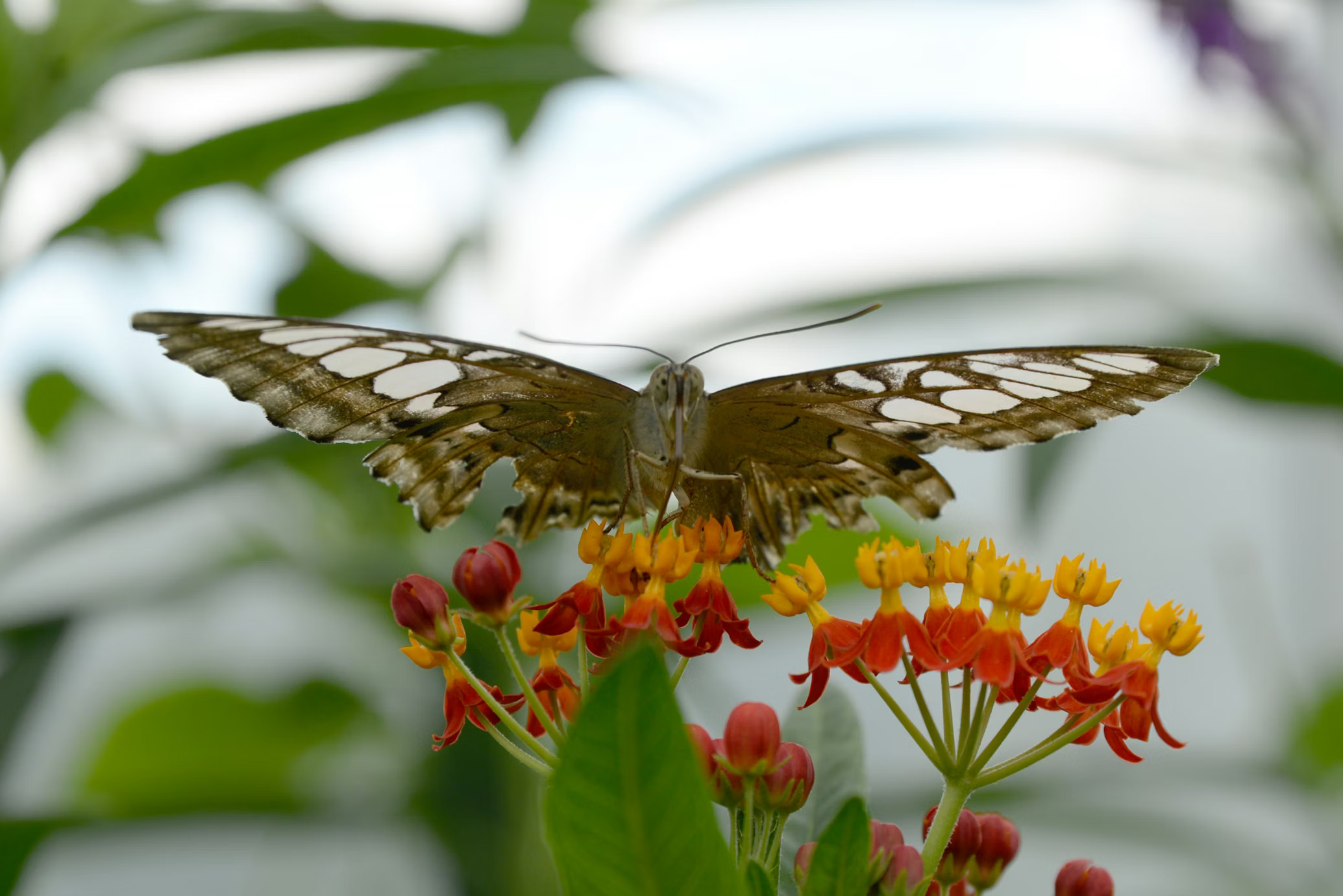
- Mid-Summer: Milkweed (Asclepias)
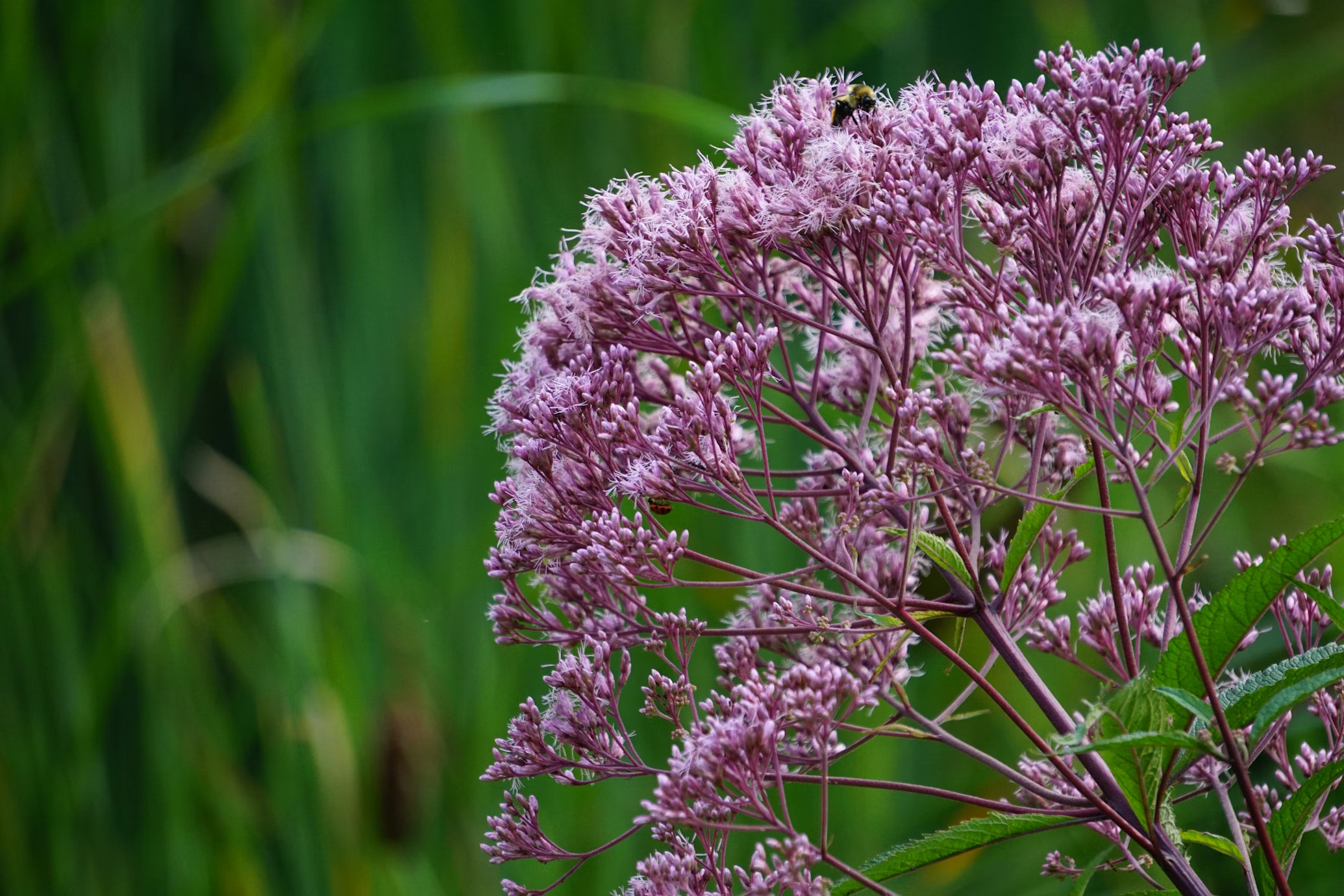
- Late Summer: Joe Pye Weed
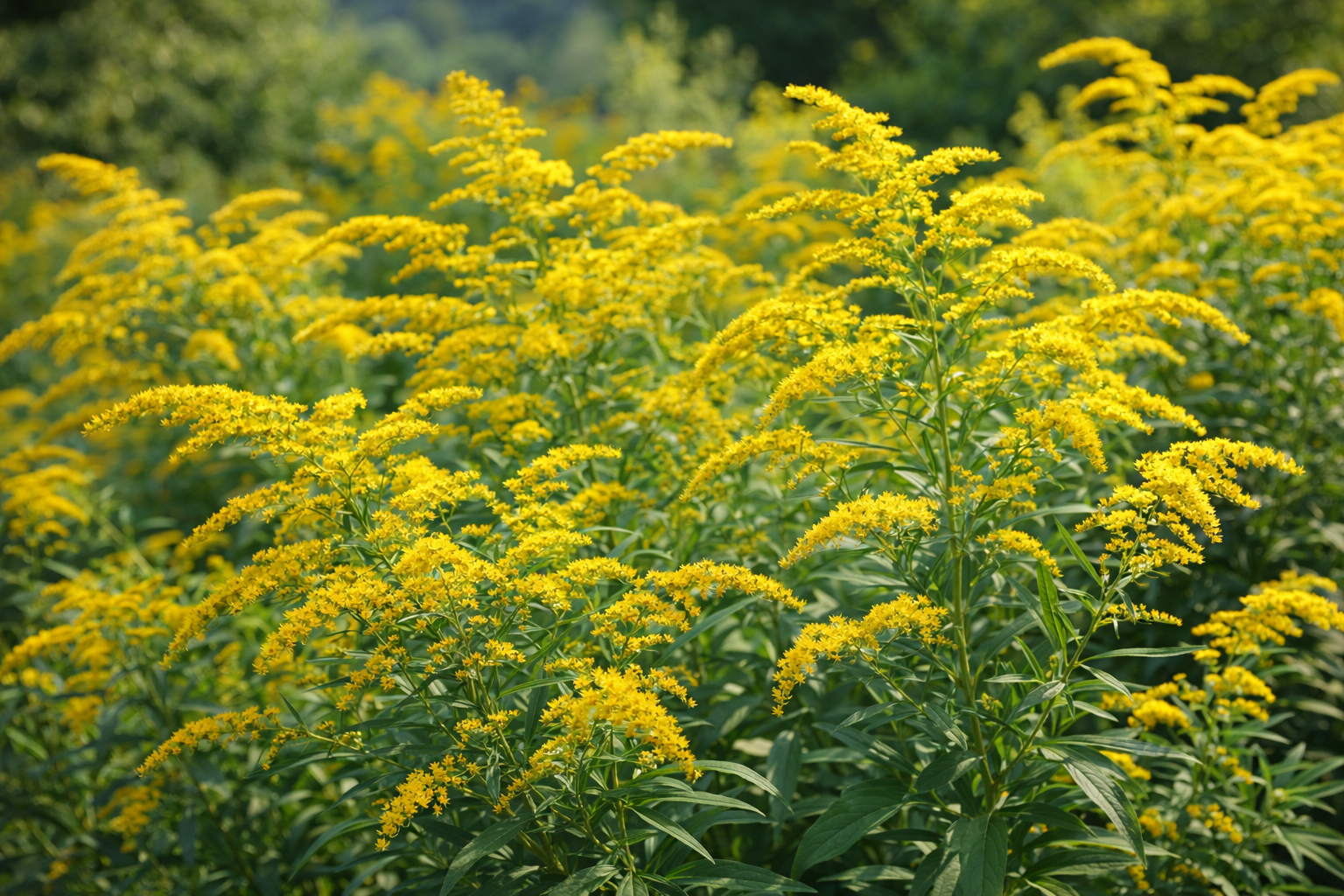
- Fall: Goldenrod
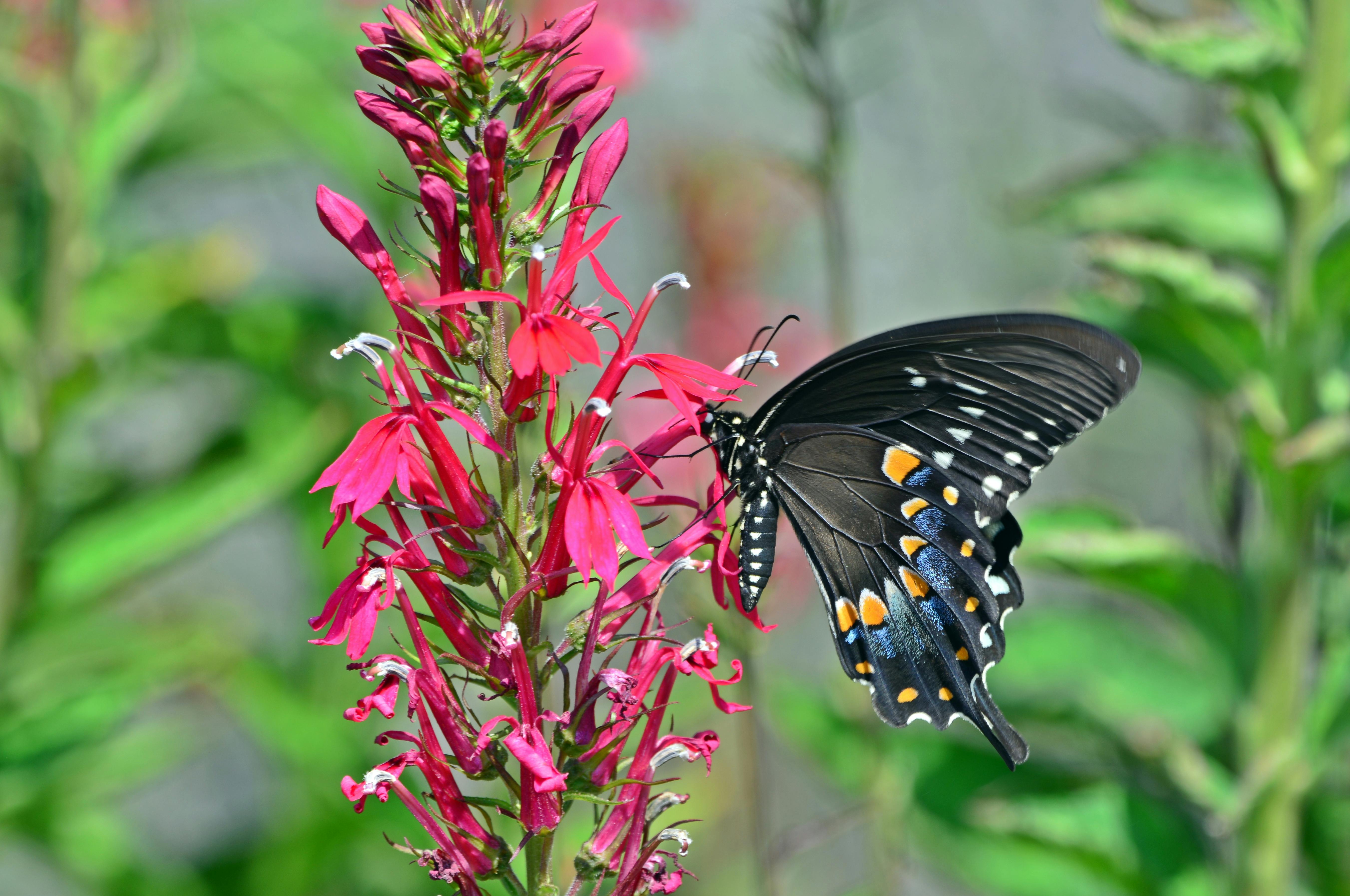
- Specialty: Cardinal Flower for hummingbirds
Milkweed (Asclepias)
Joe Pye Weed
Goldenrod
Top Perennial Choices for Lasting Beauty
The following perennials offer long bloom periods, seasonal texture, and reliable performance, making them strong curb-appeal investments.
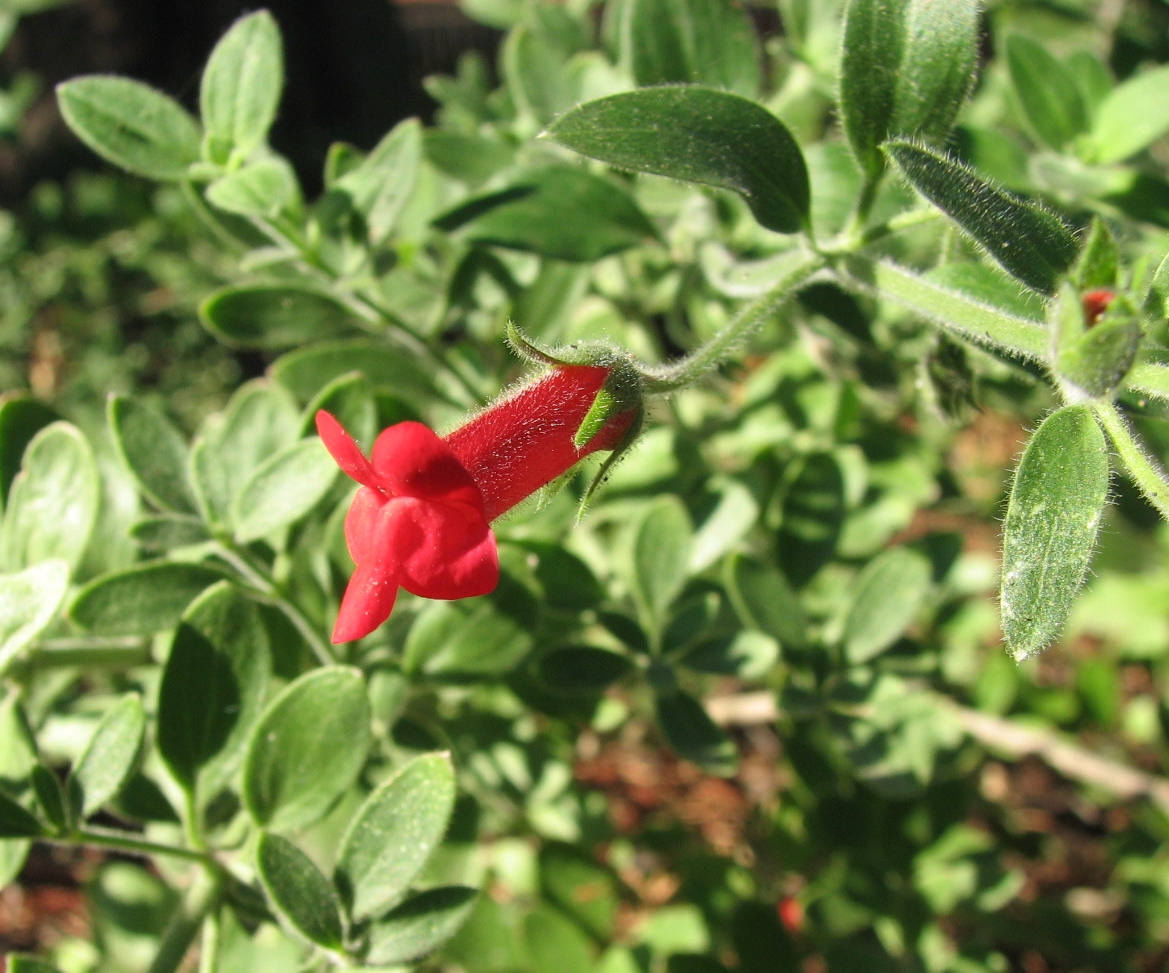
Island Snapdragon (Gambelia speciosa)
A fast-growing perennial with trumpet-shaped red flowers that attract hummingbirds. It thrives in sun or partial shade and can bloom nearly year-round in the right conditions.
Island snapdragon, Gambelia speciosa
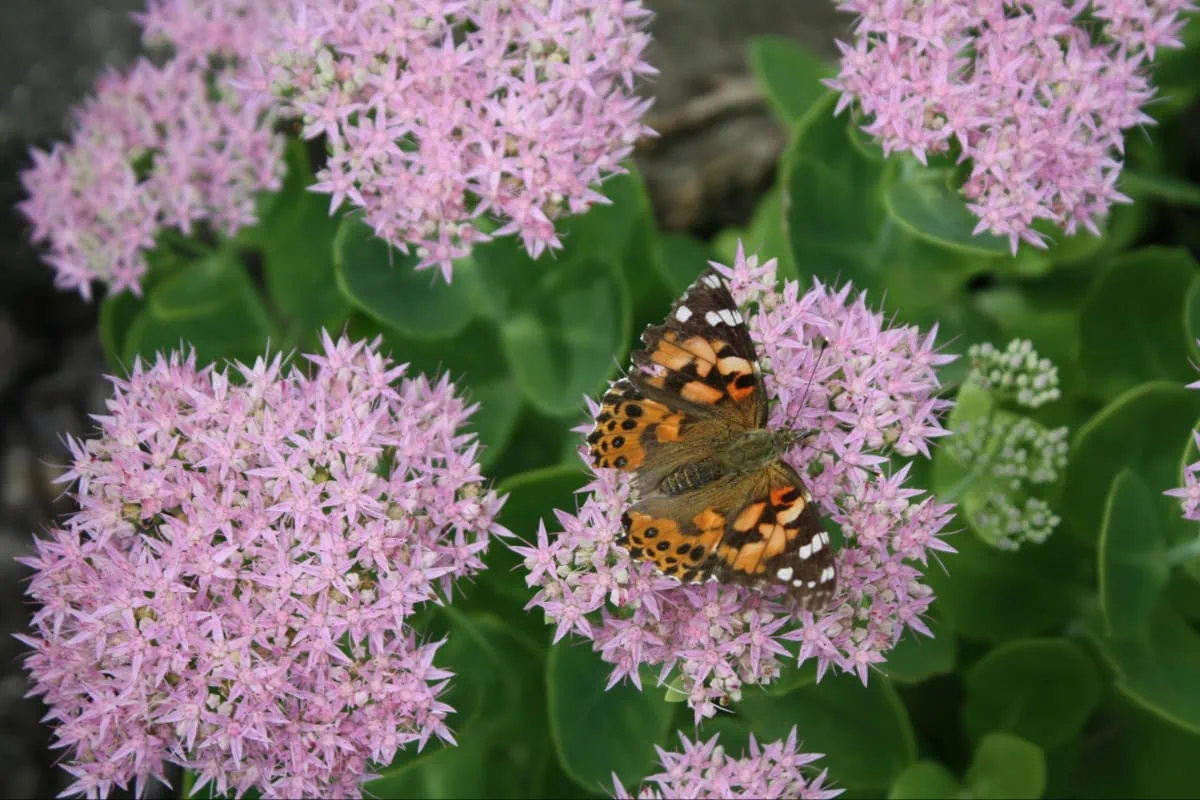
Sedum ‘Autumn Joy’
Sedum provides thick green foliage and pink blooms that mature into copper tones in fall. Its drought tolerance and low maintenance make it a dependable landscape staple.
Sedum ‘autumn joy’
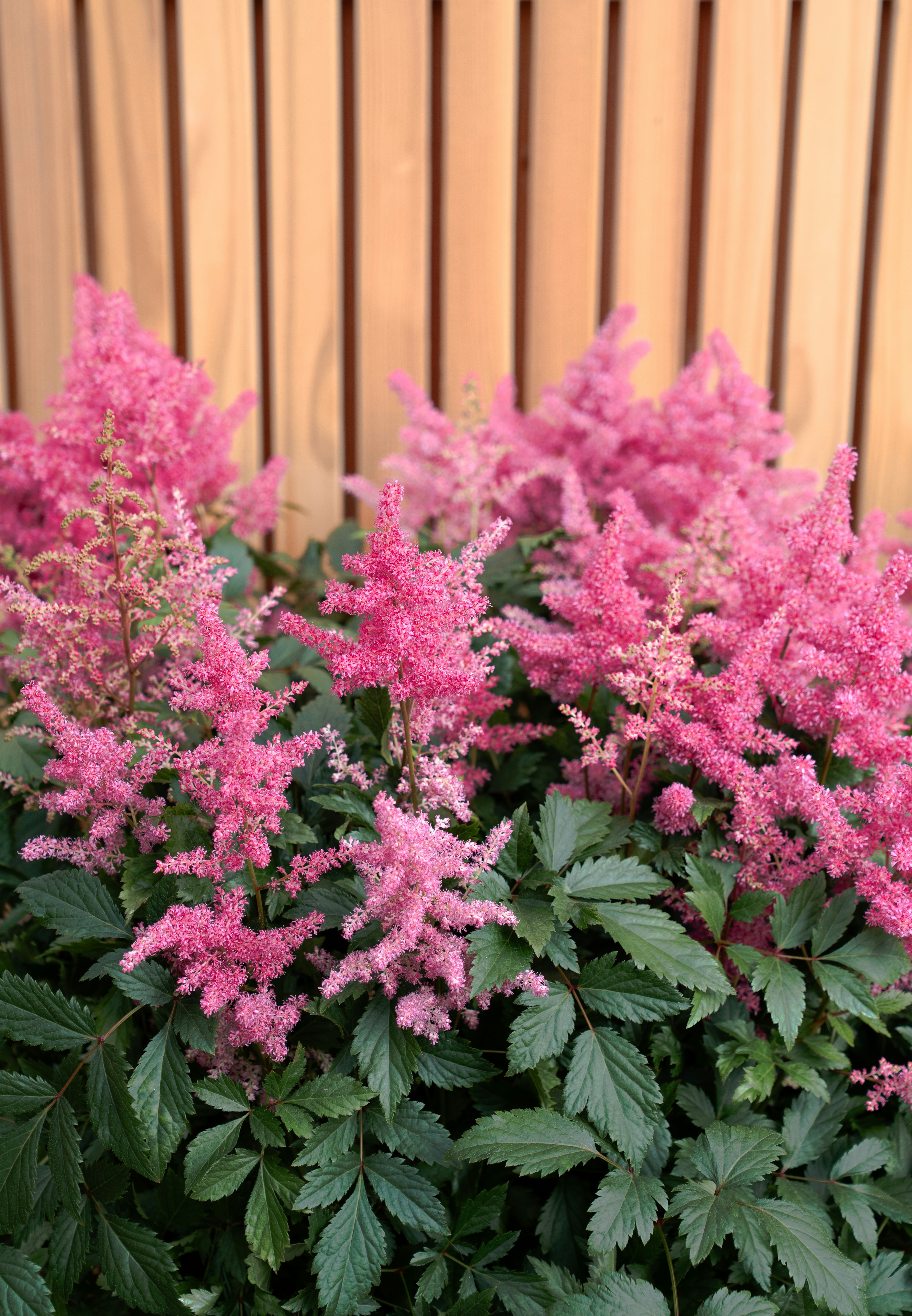
Astilbe
Astilbe adds soft texture and color in shaded areas. It thrives in moist, well-drained soil and maintains visual interest even after flowering.
Astible
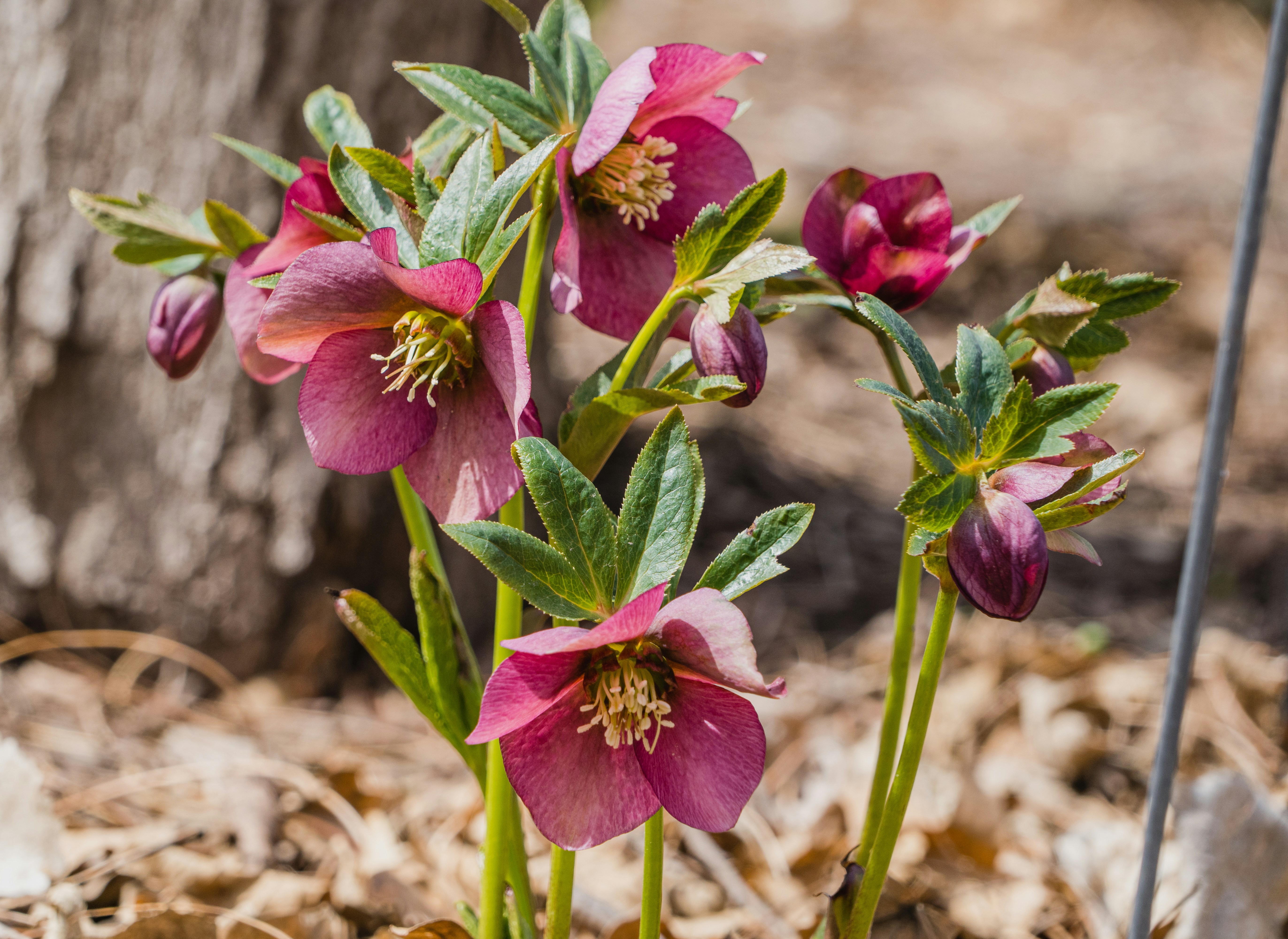
Lenten Rose (Hellebore)
An evergreen perennial that blooms in late winter or early spring, offering color when most gardens are dormant.
Lenten Rose
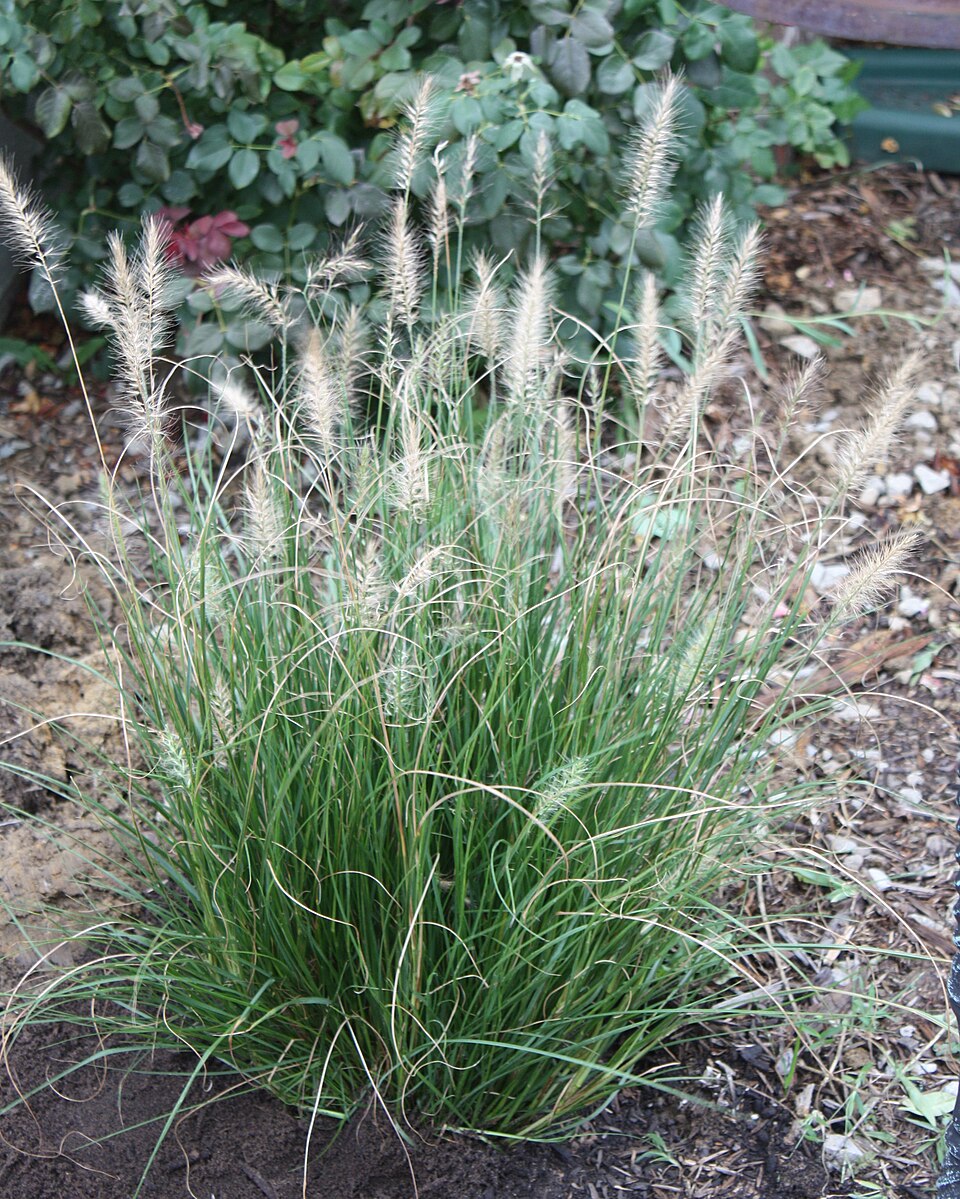
Hameln Grass
Ornamental grasses like Hameln provide movement, seasonal color shifts, and winter structure, proving that perennials are not limited to flowering plants.
Hameln Grasses
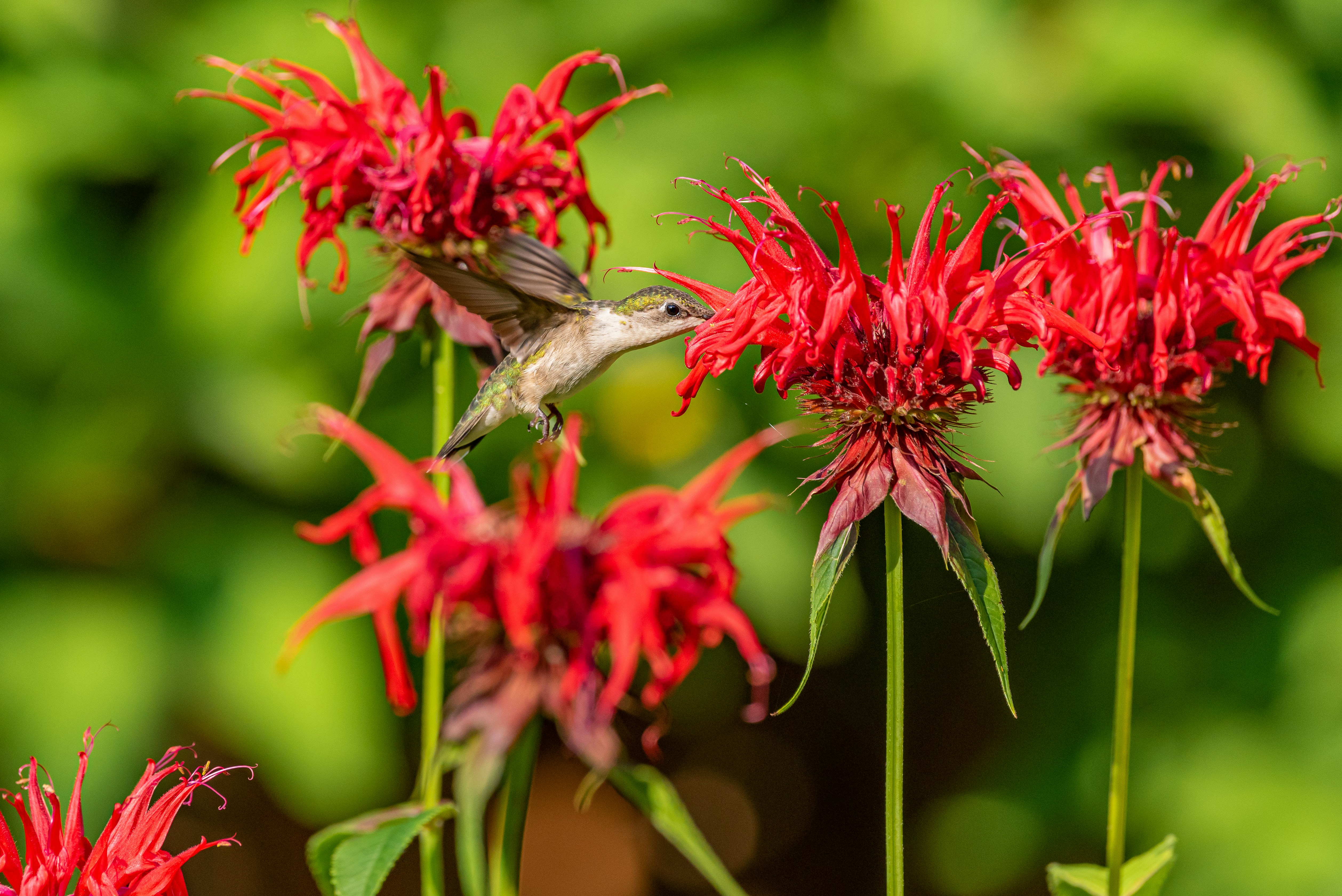
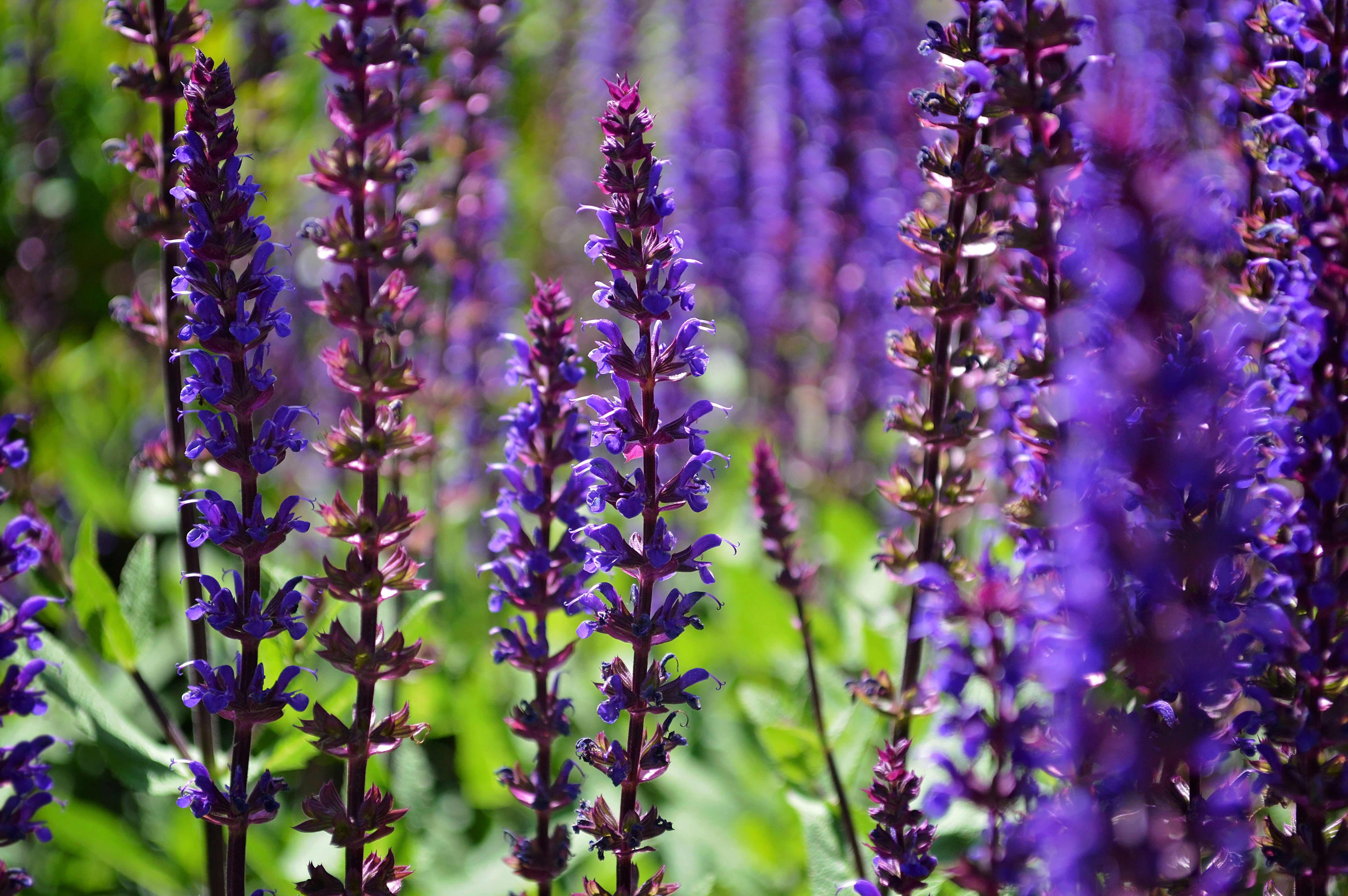
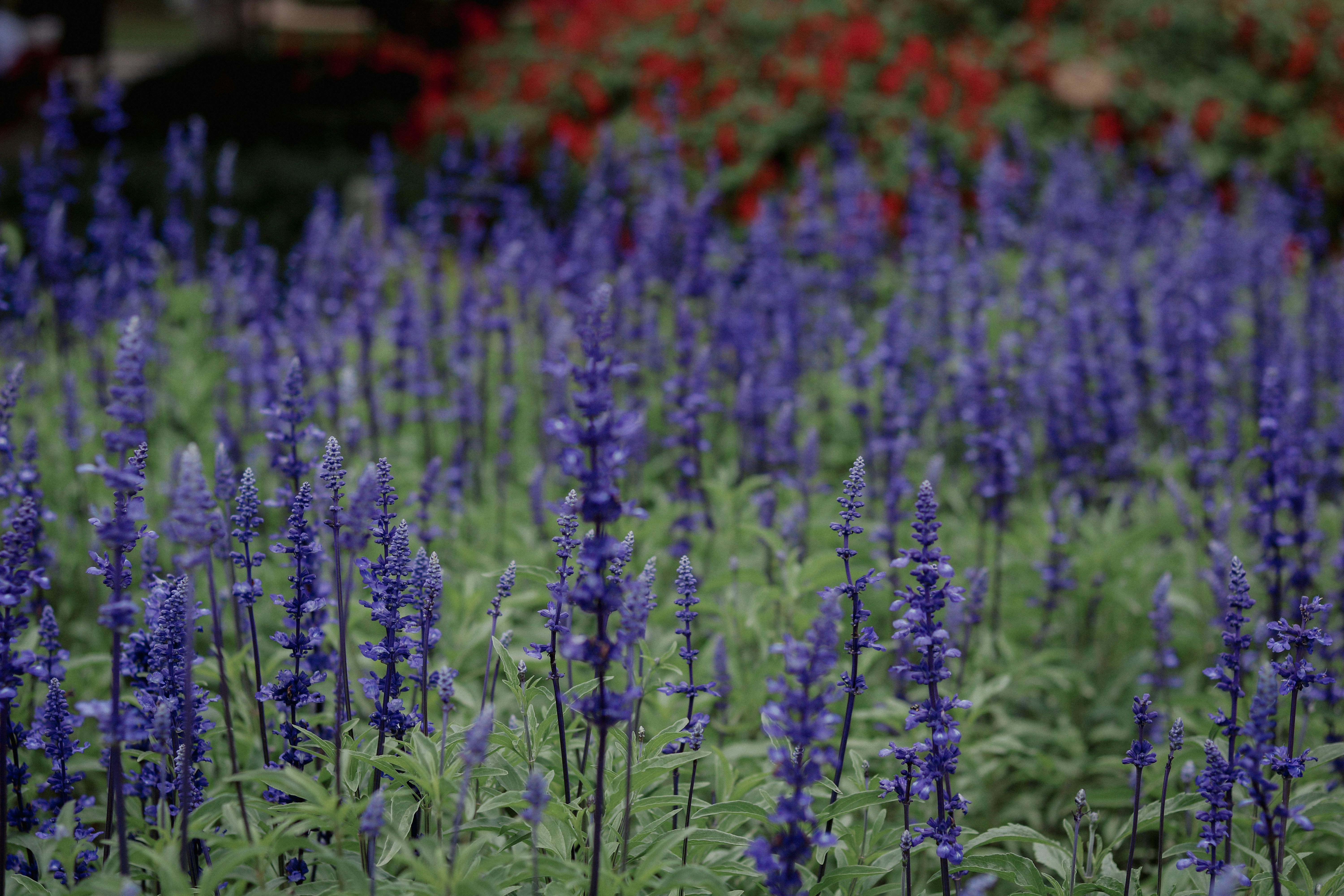
Bee Balm and Salvia
These perennials deliver bold color, fragrance, and consistent pollinator activity throughout the growing season.
Bee Balm
Salvia
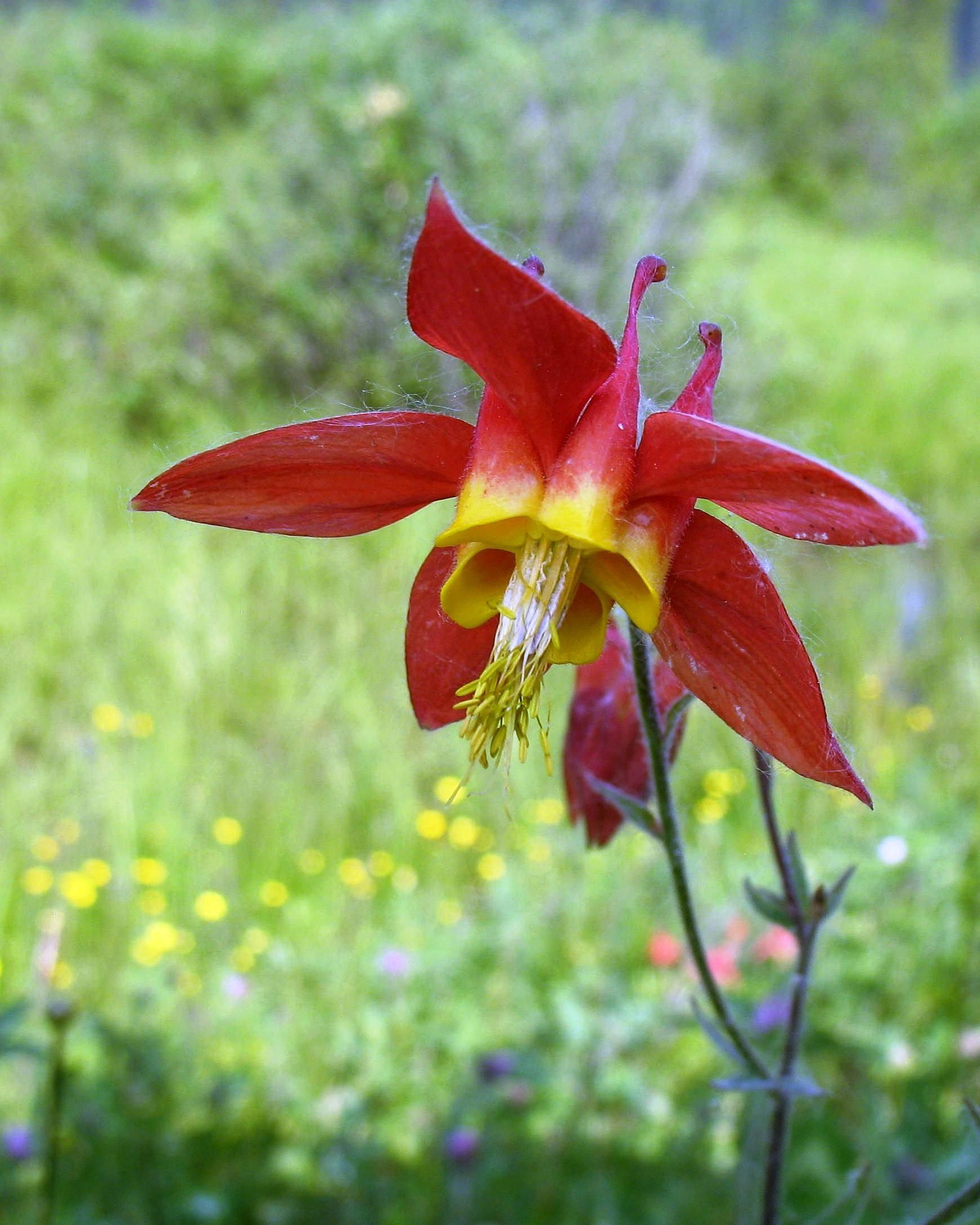
Eastern Columbine (Aquilegia canadensis)
One of the earliest spring bloomers, Eastern Columbine attracts hummingbirds and reseeds easily among other perennials.
Eastern Columbine (Aquilegia canadensis)
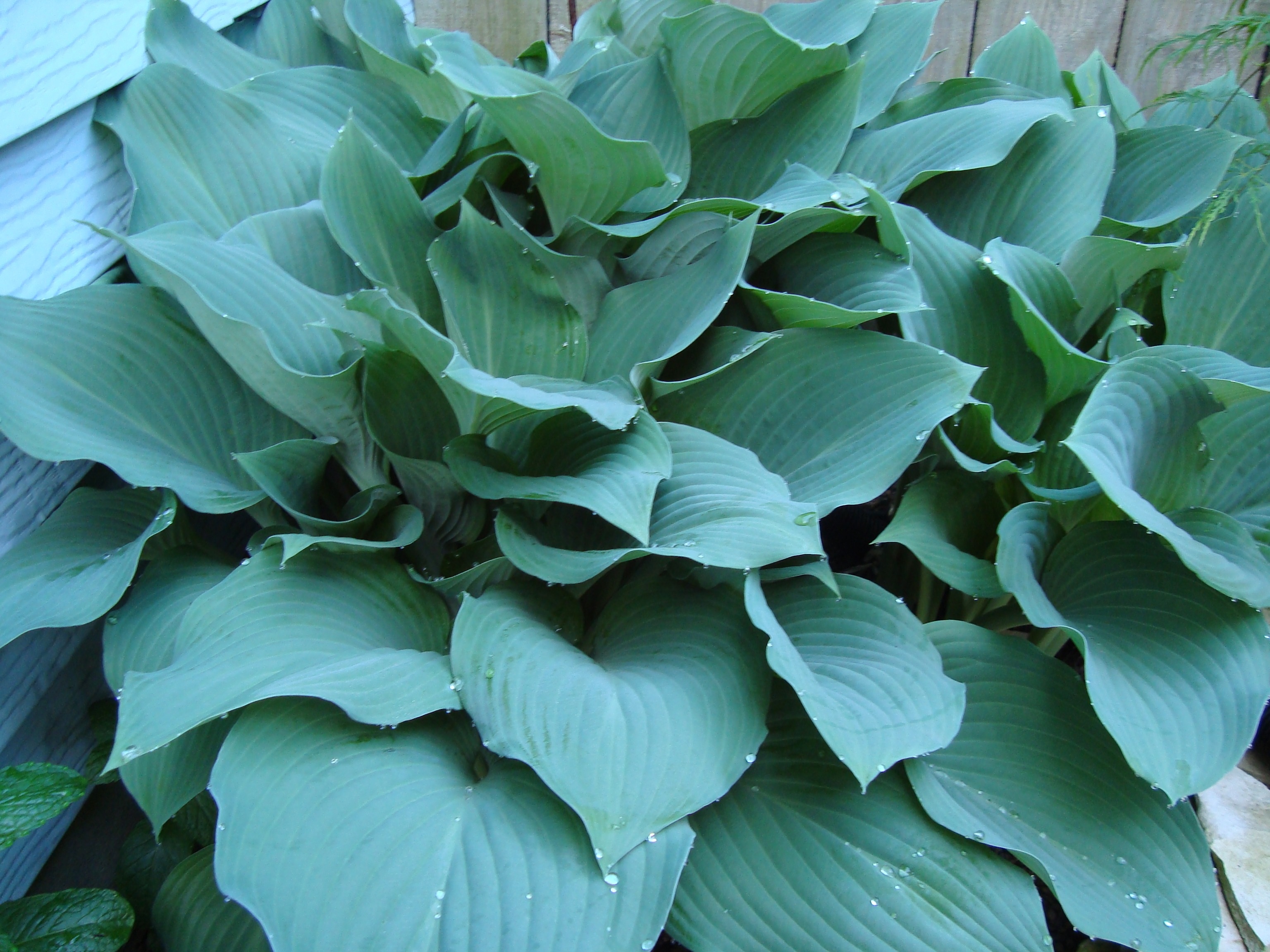
Blue Hostas
Blue hostas thrive in shade and pair well with other shade-loving perennials, creating layered and cohesive garden beds.
Blue hostas
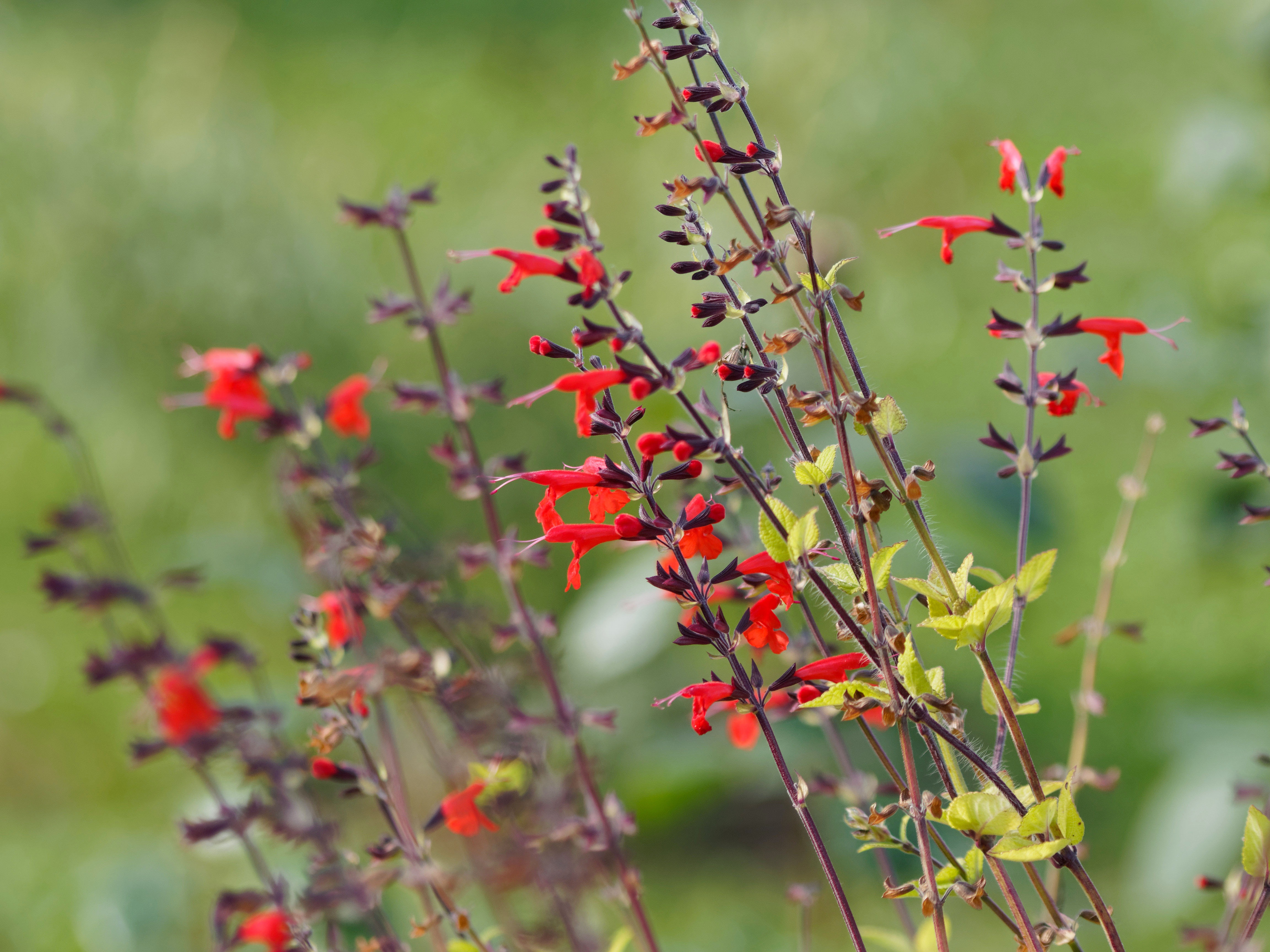
Autumn Sage and Turk’s Cap
These drought-tolerant perennials offer long bloom seasons and require minimal maintenance once established.
Autumn sage and Turk cap
Lavender
Lavender combines fragrance, pollinator appeal, and drought tolerance, making it ideal for low-maintenance landscapes.
Lavender
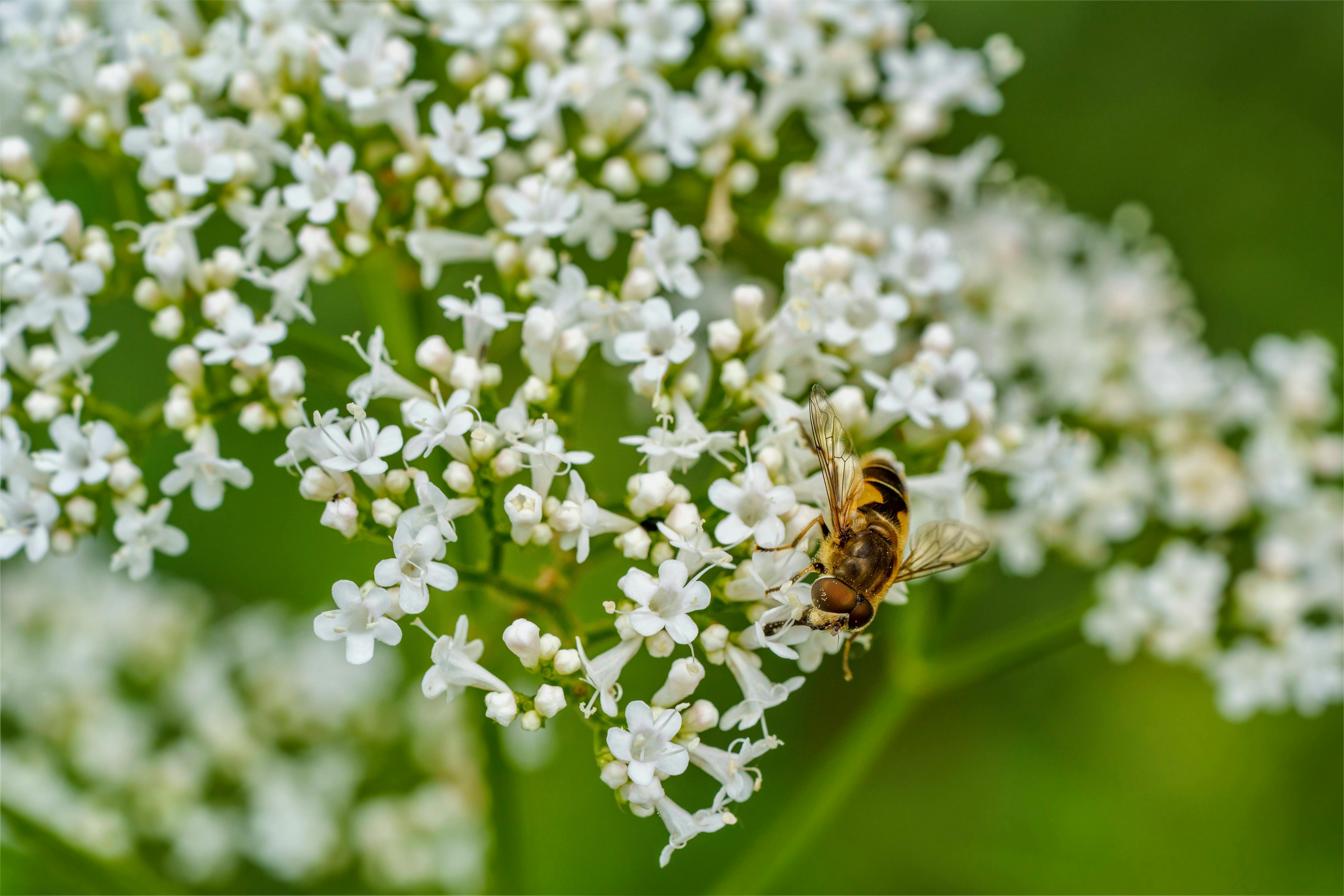
Valerian
Valerian produces tall, long-lasting blooms and adds vertical interest while attracting pollinators.
Valerian
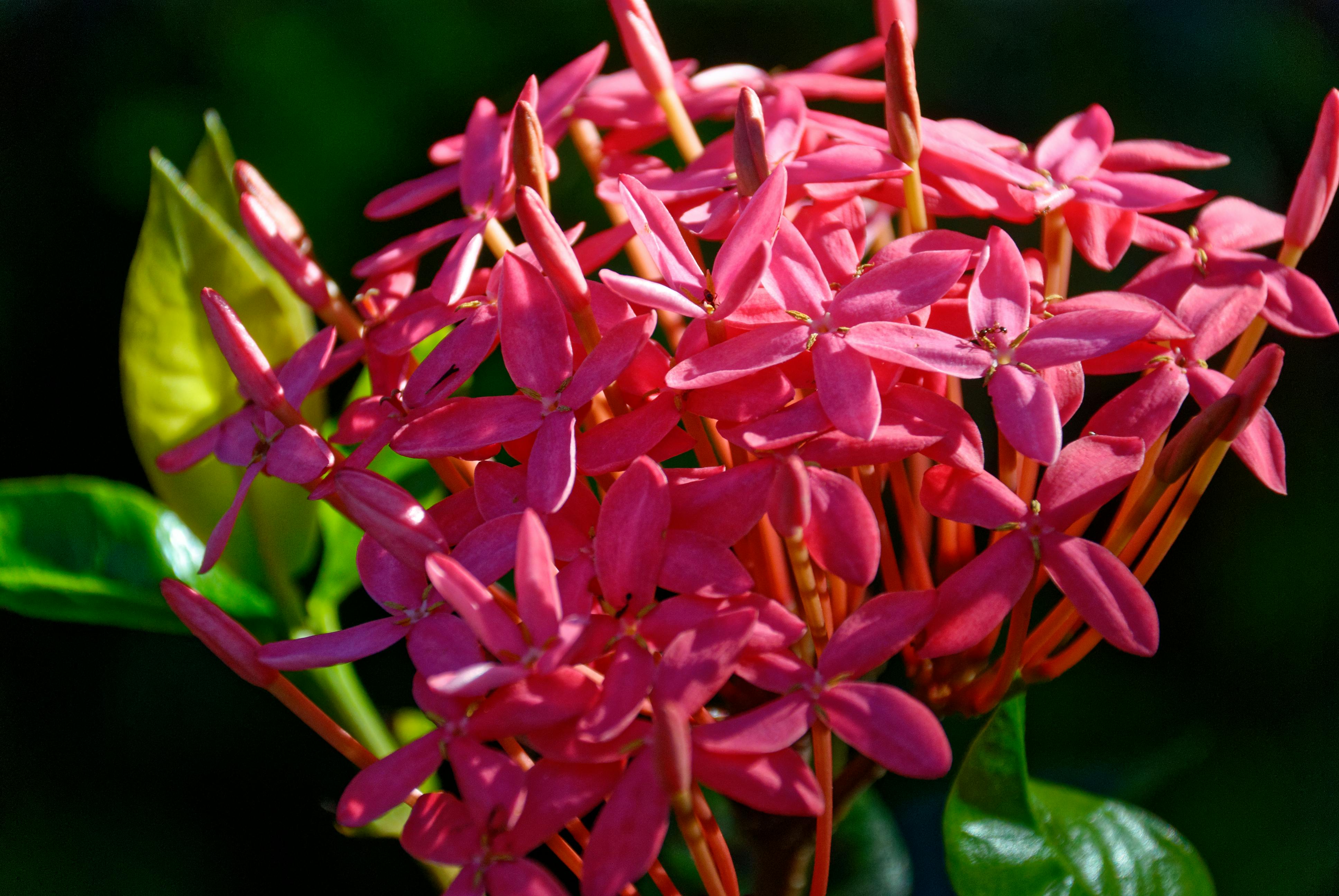
Ixora and Butterfly Bush
These warm-climate perennials are resilient, storm-tolerant, and provide vibrant color in challenging conditions.
Ixora
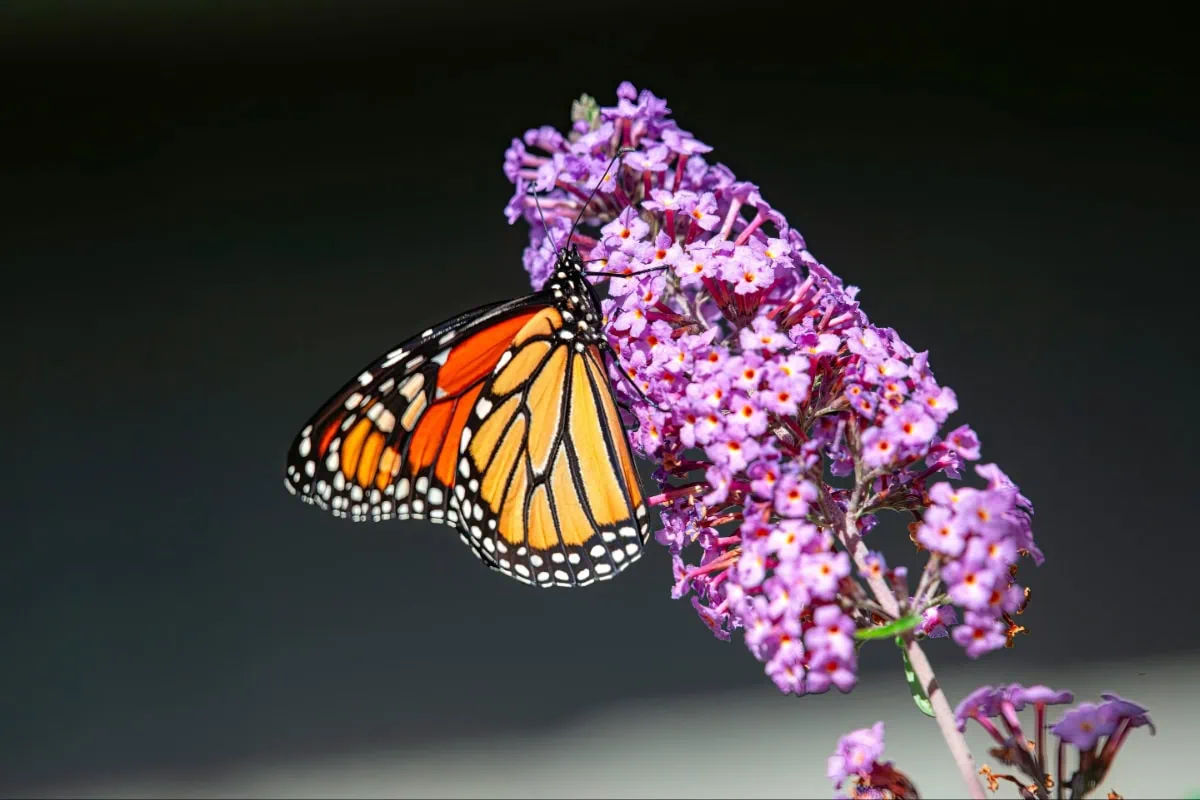
Butterfly Bush
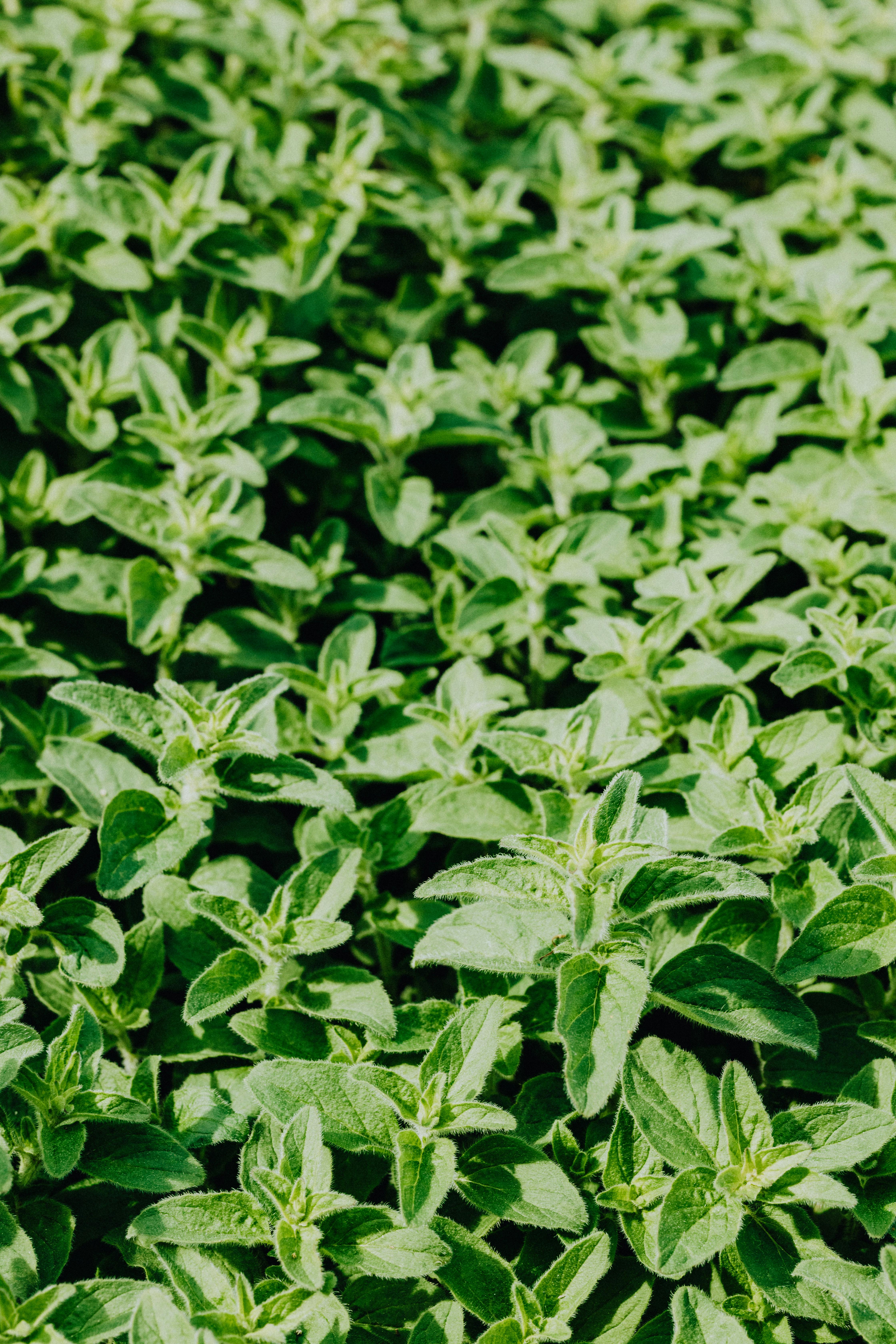
Golden Oregano
Golden oregano adds bright chartreuse foliage and visual contrast, spilling naturally from containers or garden edges.
Golden Oregano
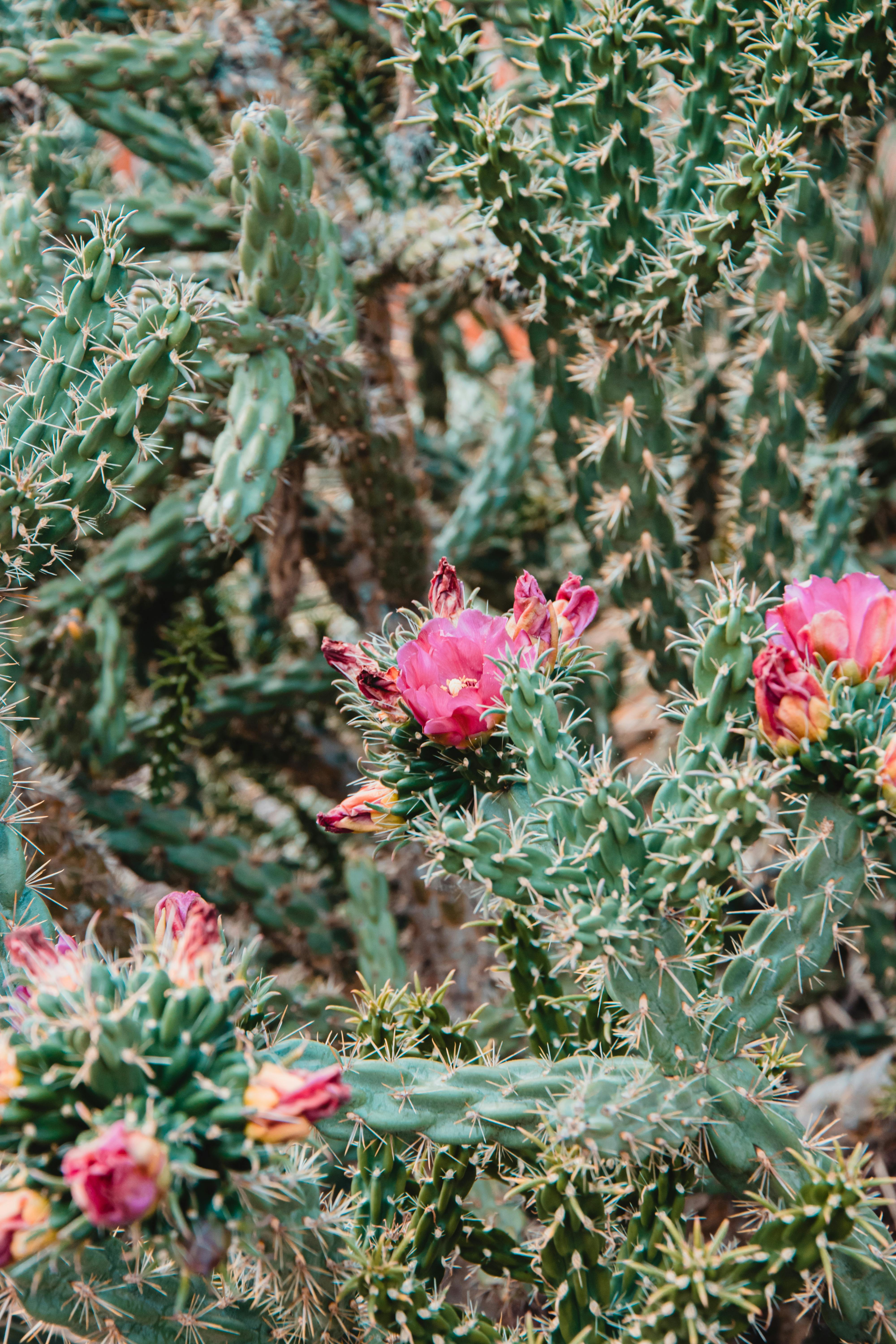
Cactus and Agaves
Cactus and agaves thrive in dry climates, requiring little water while providing bold structure and texture year-round.
Cactus and Agaves
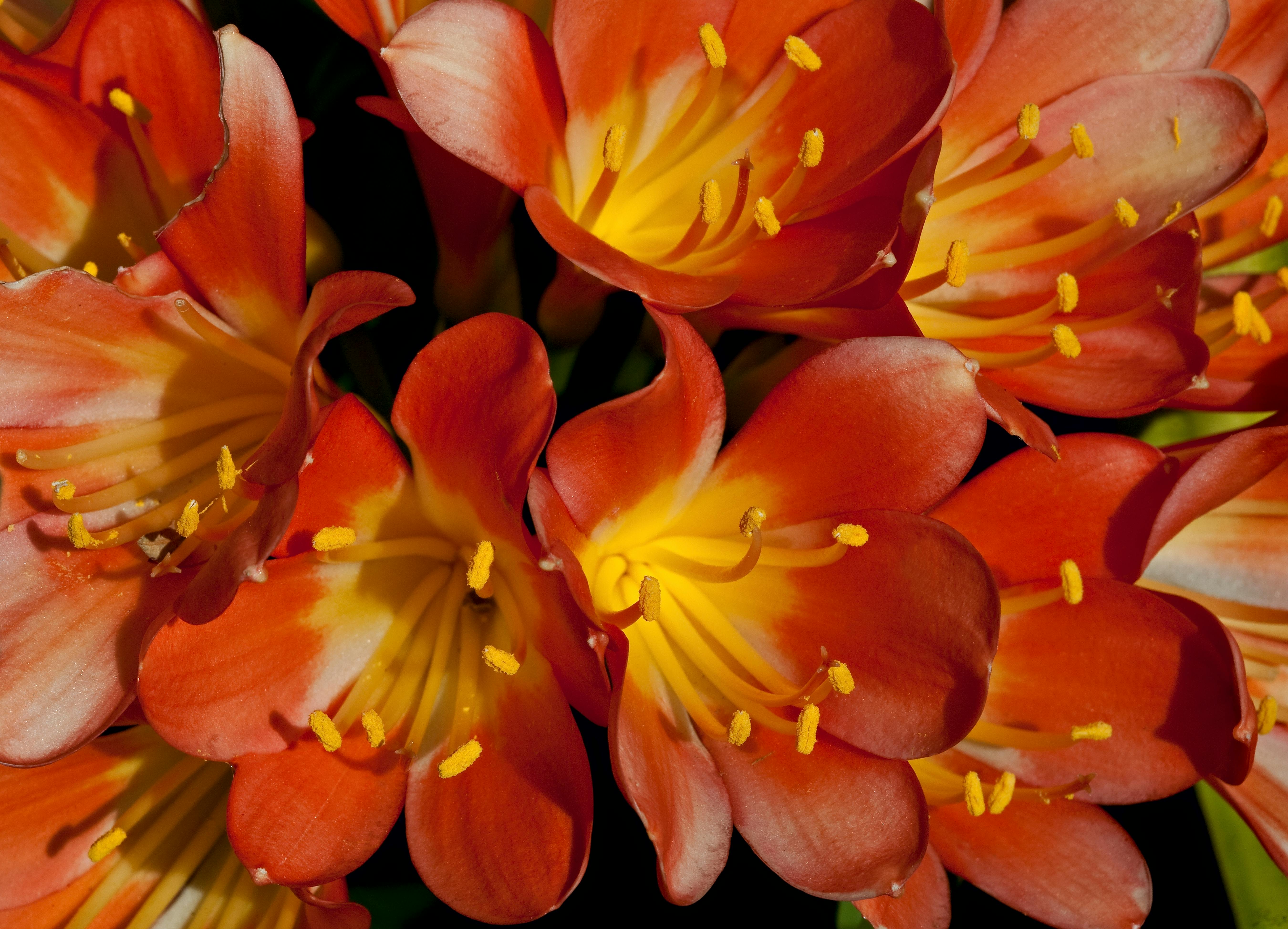
Clivia miniata
Clivia maintains evergreen foliage and produces striking blooms from winter through spring, making it a standout in mild climates.
Clivia miniata
Final Takeaway: Why Perennials Are Worth the Investment
Perennials create long-term curb appeal by providing reliable structure, evolving seasonal beauty, and reduced maintenance. When chosen intentionally, they transform a front yard into a landscape that improves with time rather than resetting each year.
What makes perennials better for curb appeal than annuals?
Perennials return each year, providing consistency, structure, and long-term value.
Do perennials work in different climates?
Yes. Selecting plants suited to your hardiness zone ensures success across regions.
Should perennials be cut back in fall?
Many perennials benefit from being left standing through winter to support wildlife and add off-season interest.


No comment on this post.