Do Plants Help Sell a Home Faster? The Psychology and Best Plants for Staging
Why Plants Influence Home Buyers
Plants are not decoration. In home staging, they are psychological tools.
Buyers do not purchase square footage. They purchase feeling. A staged home must communicate warmth, care, and livability within seconds of entry. Plants accelerate that emotional response.
1. Plants Create Emotional Warmth
A home without greenery feels static. A home with plants feels alive.
Greenery softens hard architectural lines, reduces visual sterility, and creates subtle movement in a space. This makes rooms feel welcoming instead of vacant.
Cause and effect:
When a space feels warm, buyers linger longer. When buyers linger longer, emotional attachment increases.
2. Plants Reduce Stress During Showings
Studies consistently show that exposure to greenery lowers stress and improves mood.
During a showing, buyers are evaluating major financial decisions. A calm environment helps them think clearly and positively about the property.
A relaxed buyer is more receptive to features and less focused on minor flaws.
3. Plants Signal Maintenance and Care
Healthy plants imply consistent care.
Buyers subconsciously interpret thriving greenery as evidence that the home itself has been maintained. While subtle, this perception influences trust.
Trust shortens decision timelines.
4. Plants Improve Perceived Space
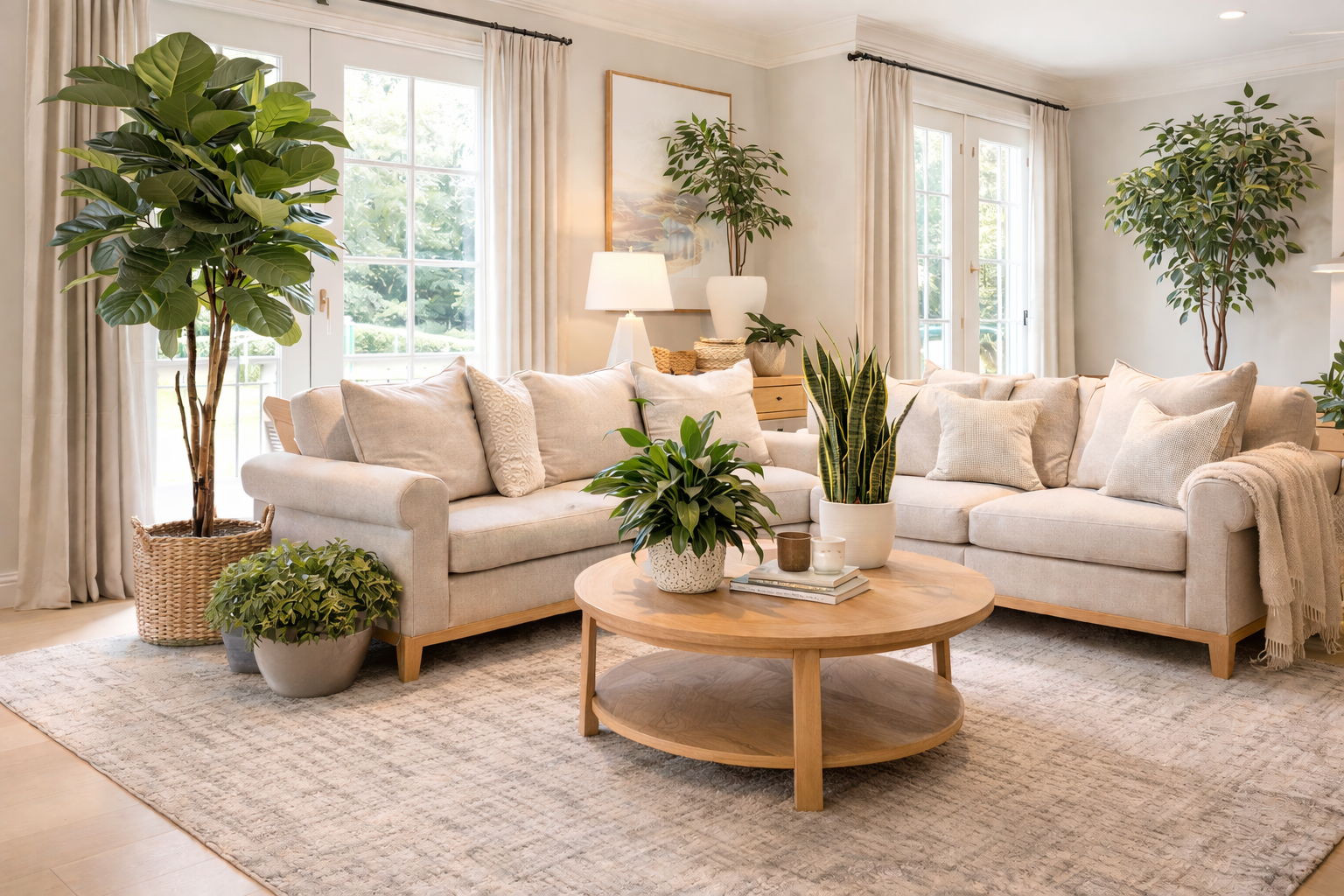
Vertical plants add height. Cascading plants soften empty areas. Small plants fill visual gaps.
Well-placed greenery improves scale perception. Rooms appear layered rather than flat, which makes them feel larger.
5. Plants Add Personality Without Over Personalizing
Staging must remain neutral. However, sterile neutrality can feel cold.
Plants introduce life without introducing the seller’s personality. They humanize a space without limiting the buyer’s imagination.
Best Plants for Home Staging (Low Maintenance, High Impact)
The best staging plants are resilient, visually clean, and adaptable to different lighting conditions.
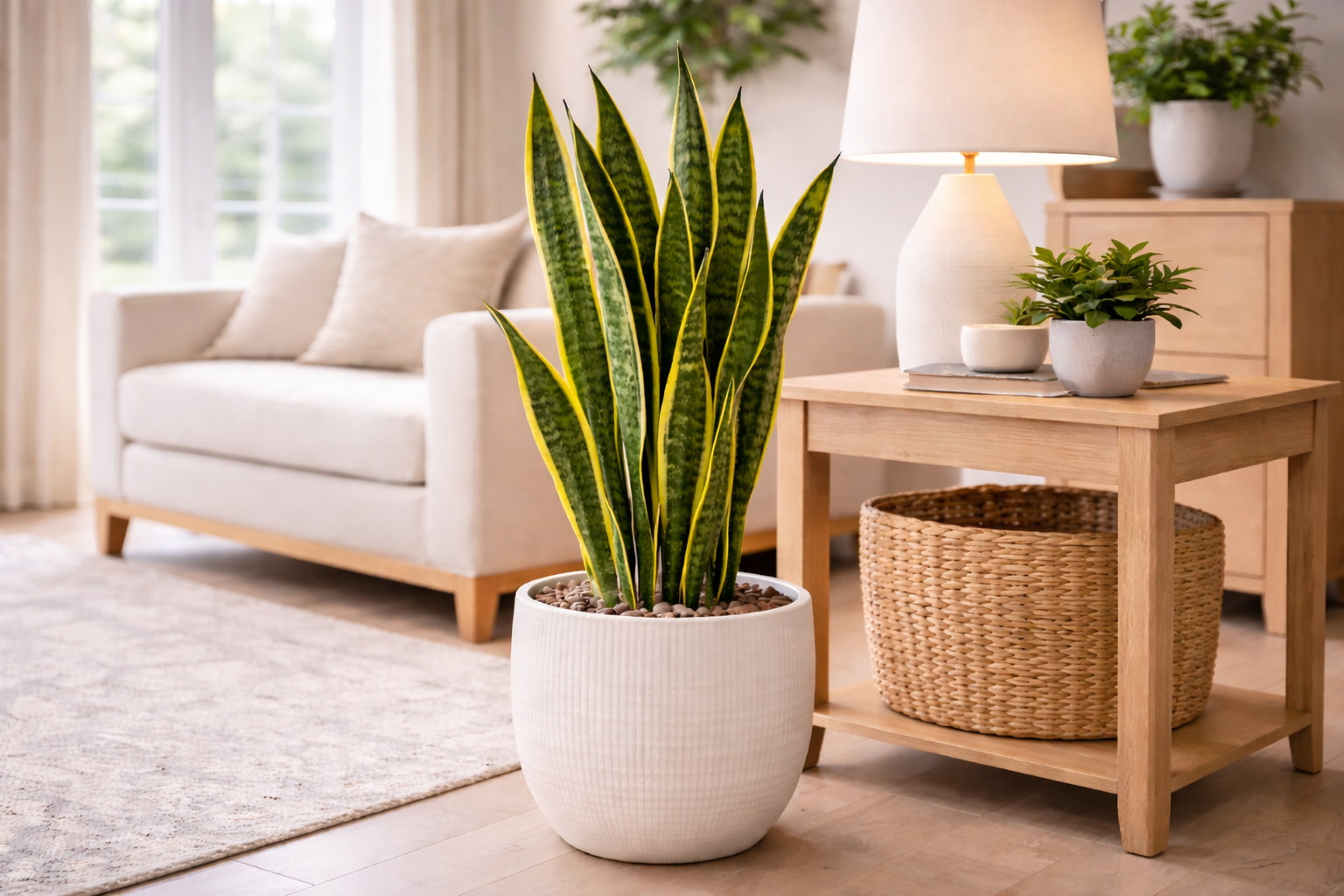
Snake Plant (Sansevieria)
Why it works:
- Tolerates low and bright light
- Strong vertical lines
- Minimal maintenance
Best placement:
Living rooms, bedrooms, bathrooms, corners needing height.
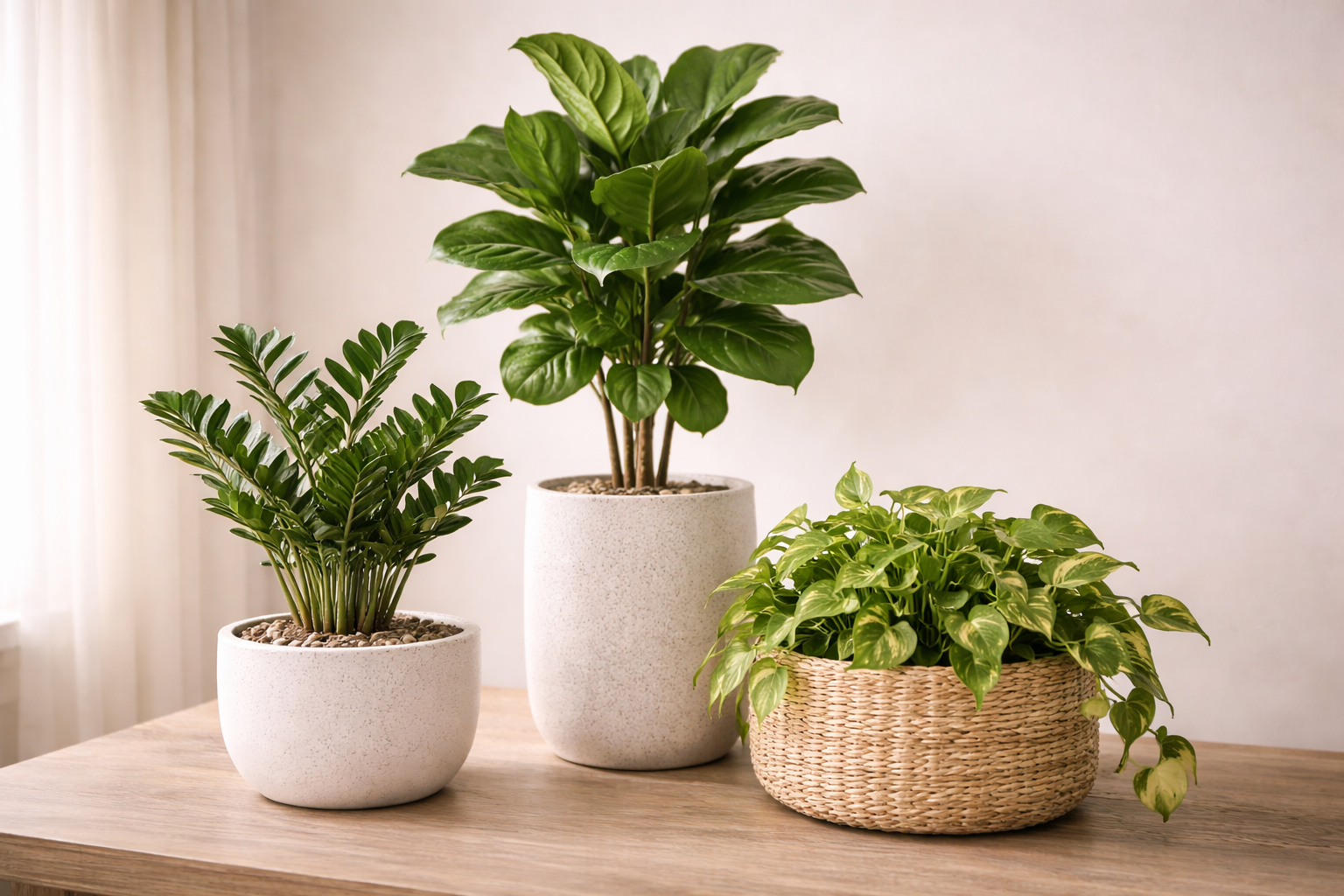
ZZ Plant (Zamioculcas zamiifolia)
Why it works:
- Thrives in low light
- Glossy leaves look polished
- Extremely forgiving
Best placement:
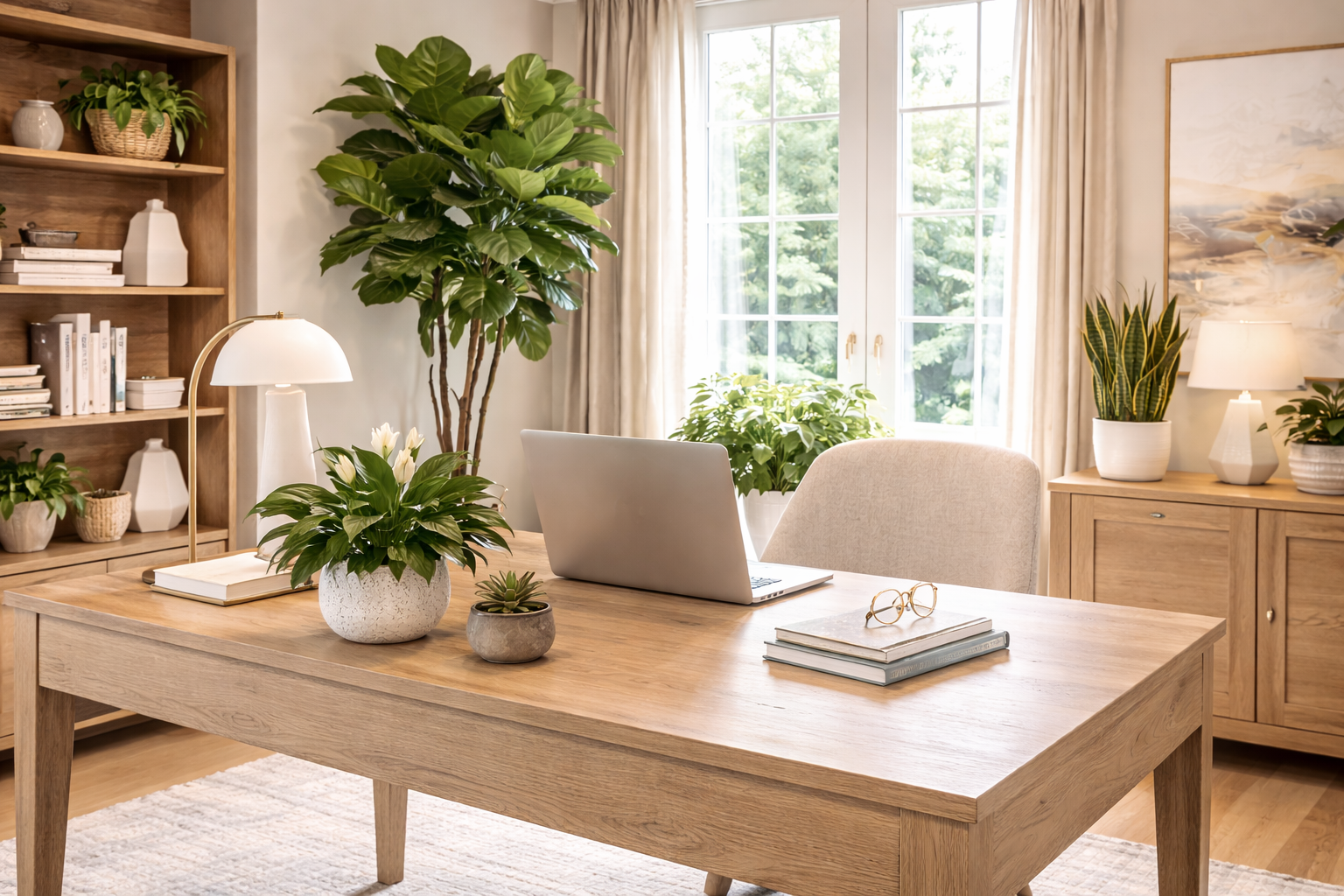
Entryways, offices, shaded living spaces.
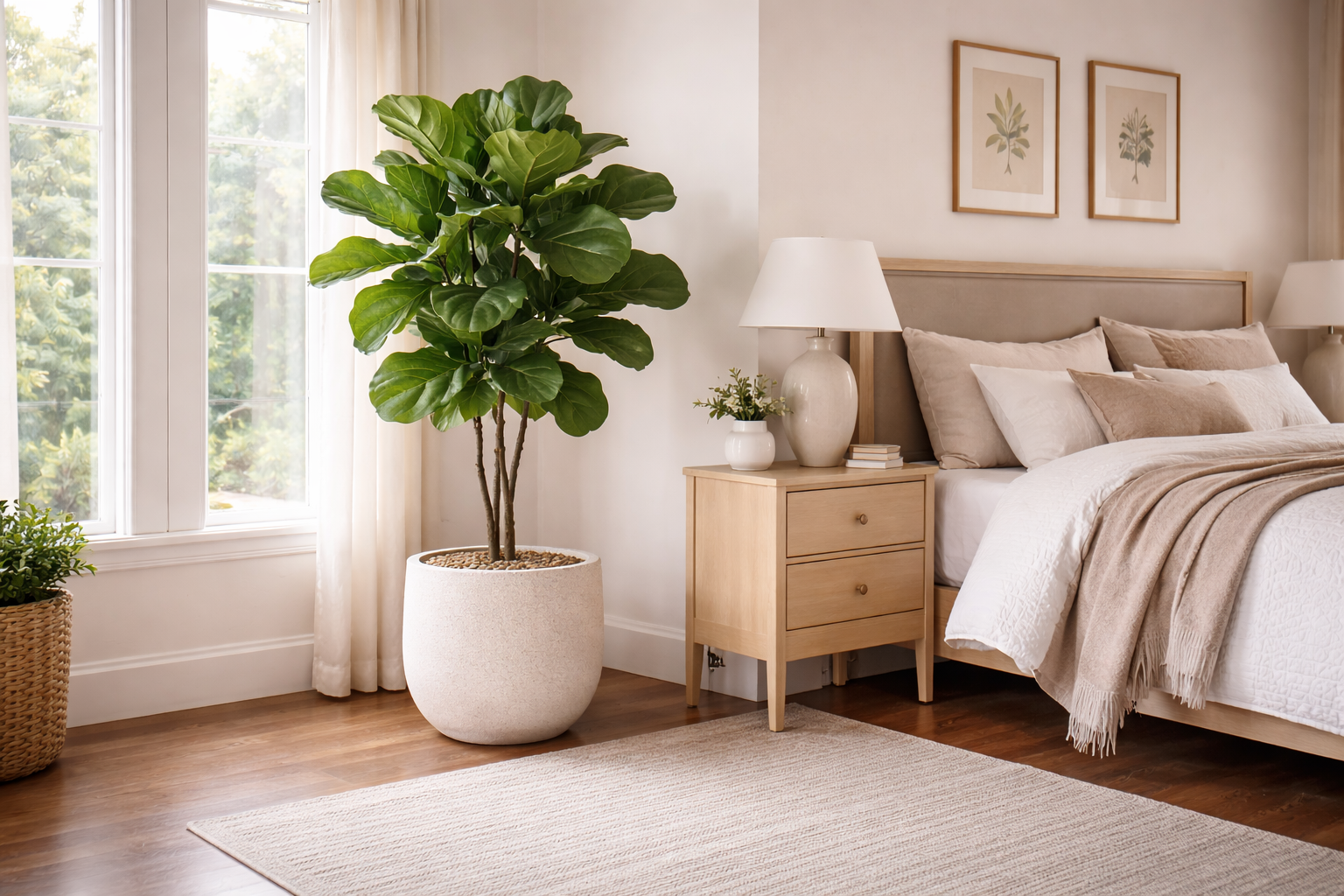
Fiddle Leaf Fig (Ficus lyrata)
Why it works:
- Creates a focal point
- Adds vertical drama
- Fills empty corners in large rooms
Best placement:
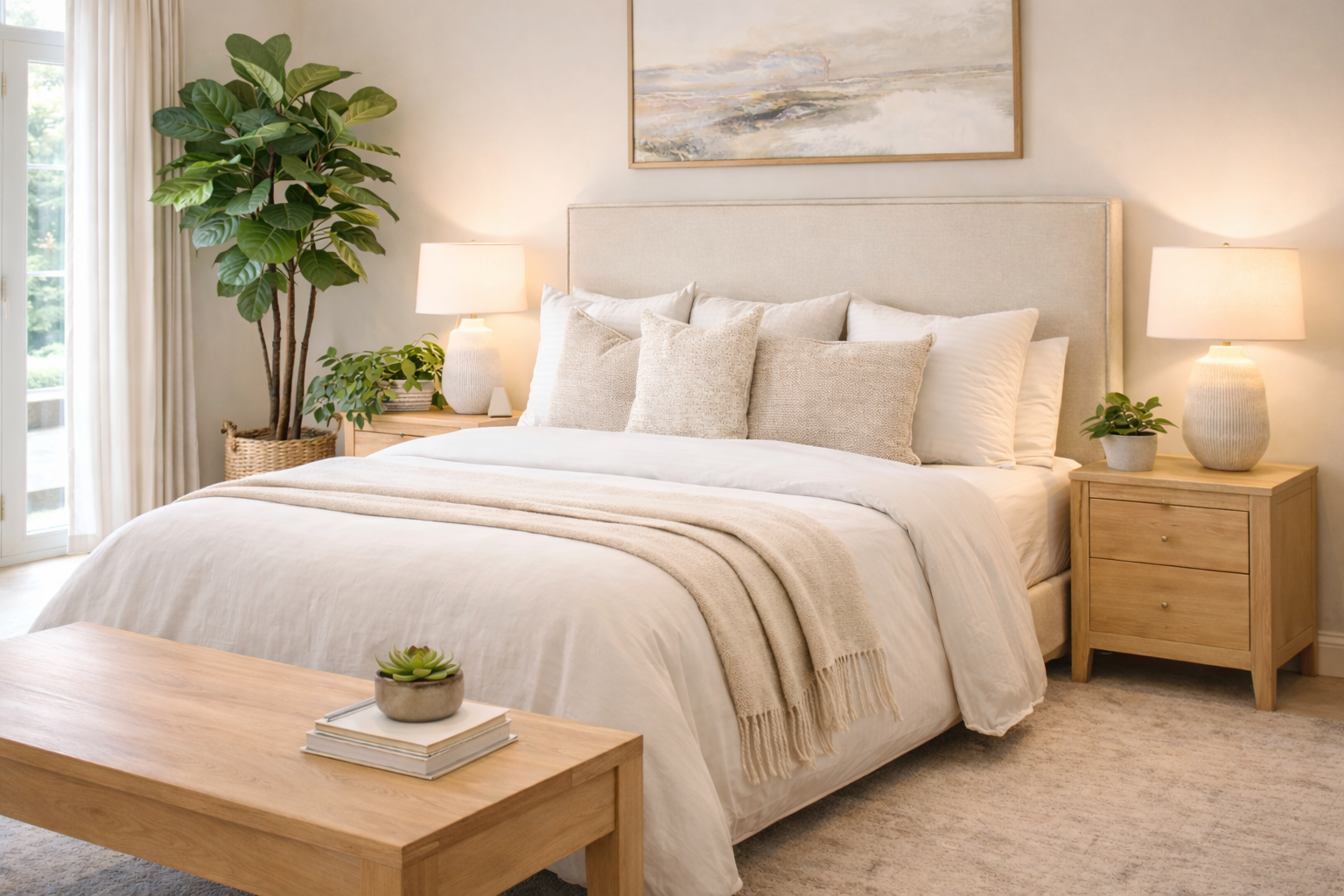
Bright living rooms, primary bedrooms, entry halls.
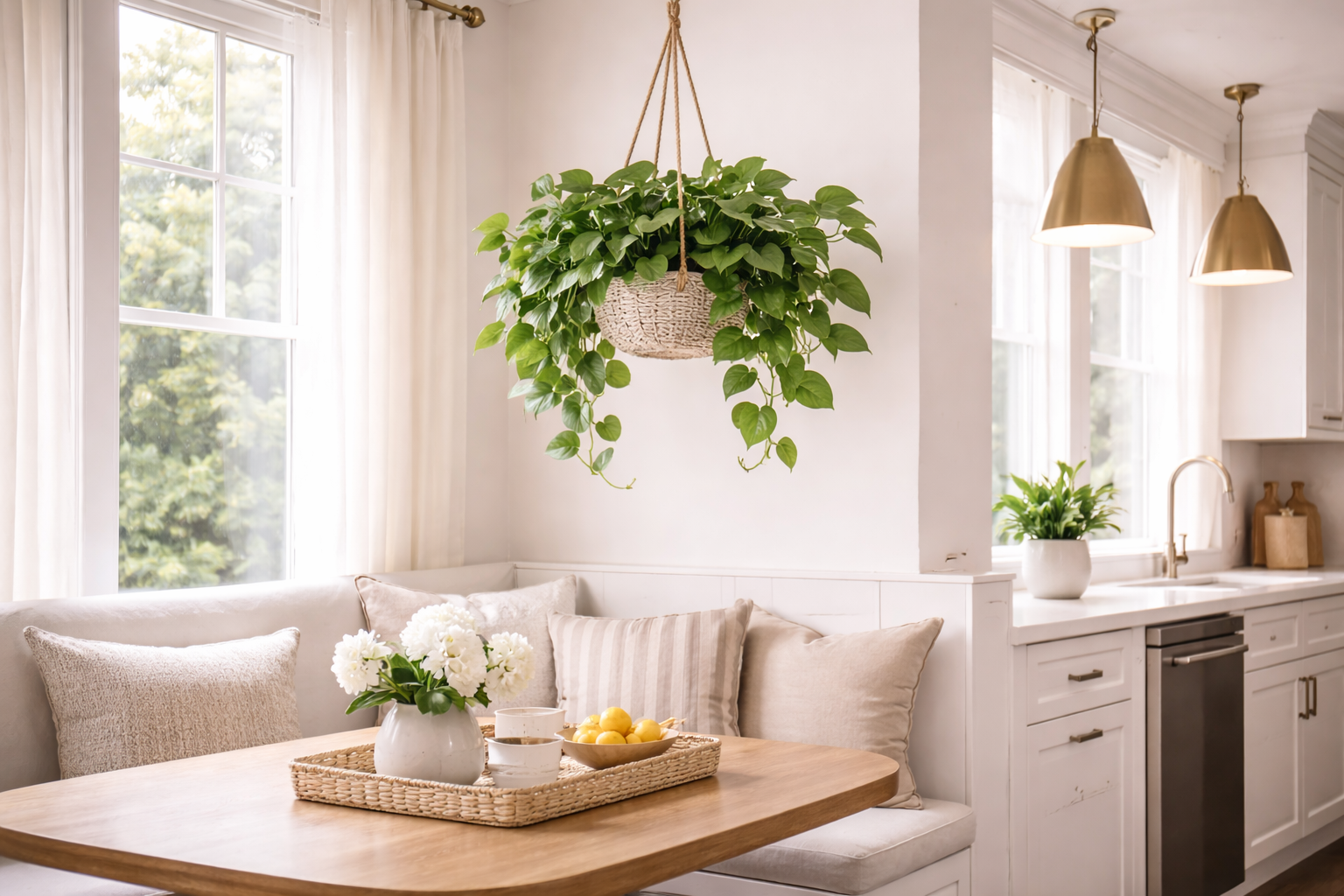
Pothos (Epipremnum aureum)
Why it works:
- Cascading movement
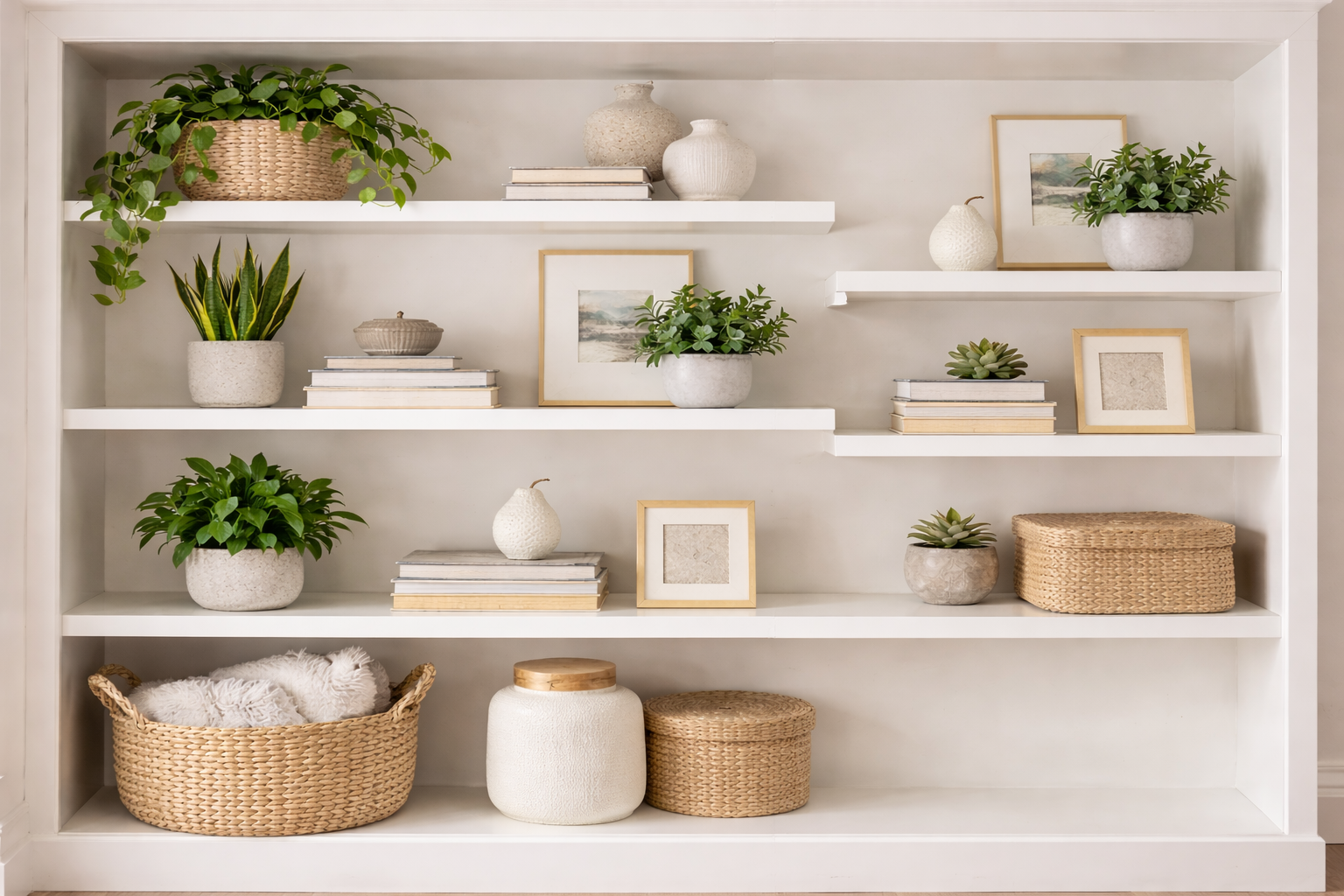
- Shelf-friendly
- Low maintenance
Best placement:
Bookshelves, kitchen cabinets, hanging baskets.
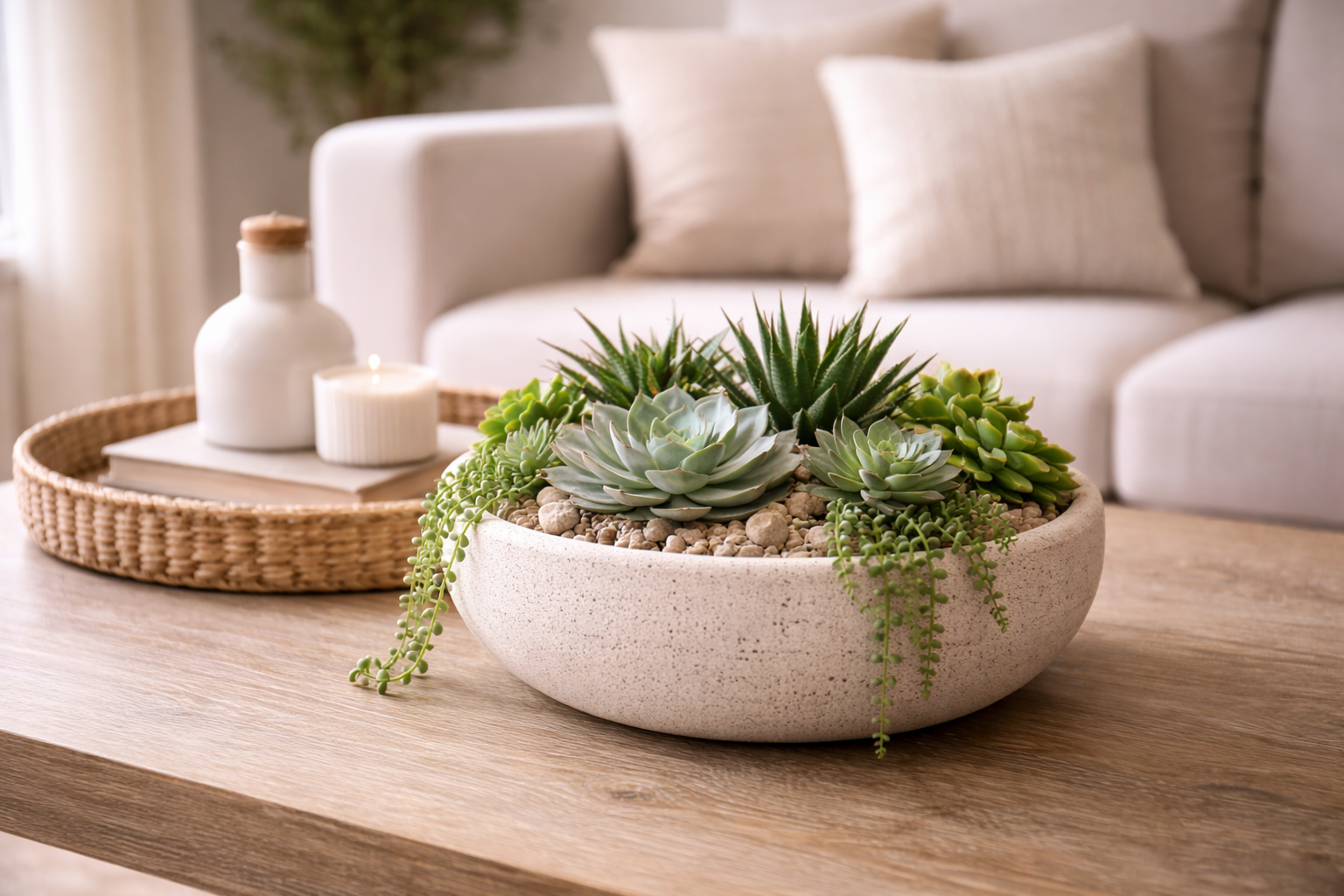
Succulents
Why they work:
- Compact and modern
- Require minimal care
- Add texture to small surfaces
Best placement:
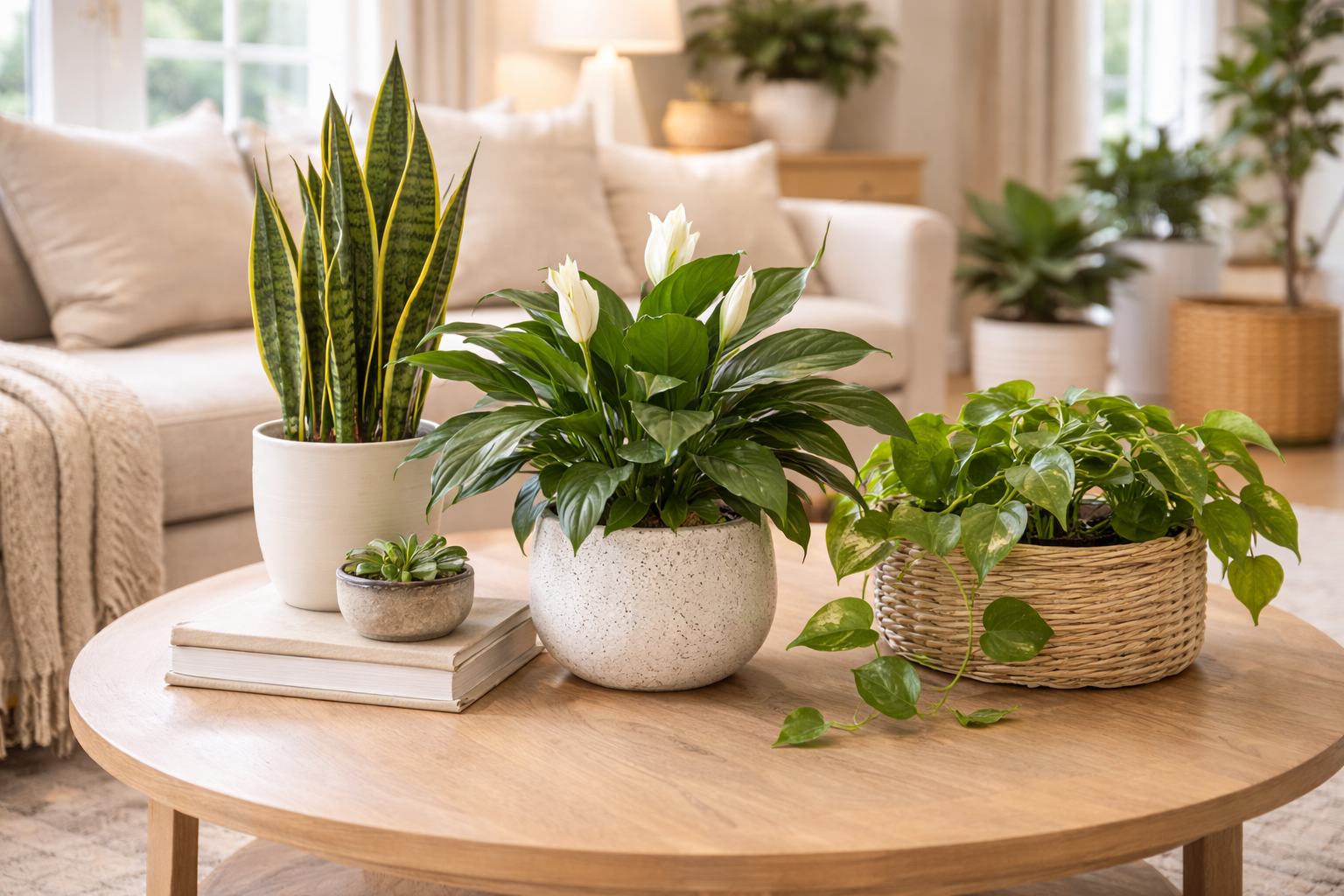
Coffee tables, kitchen counters, windowsills.
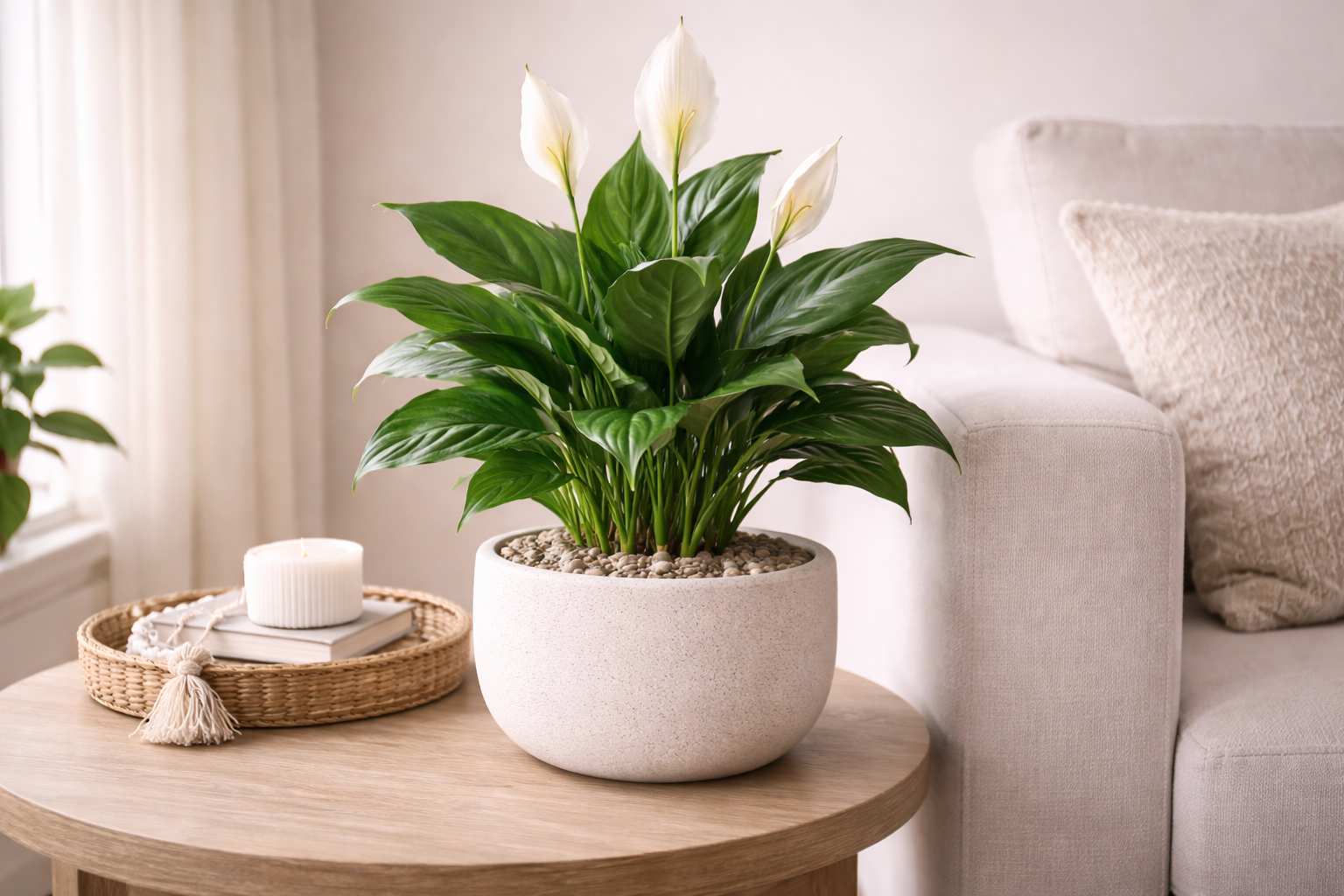
Peace Lily (Spathiphyllum)
Why it works:
- Clean white blooms
- Elegant appearance
- Low light tolerance
Best placement:
Bedrooms, offices, side tables.
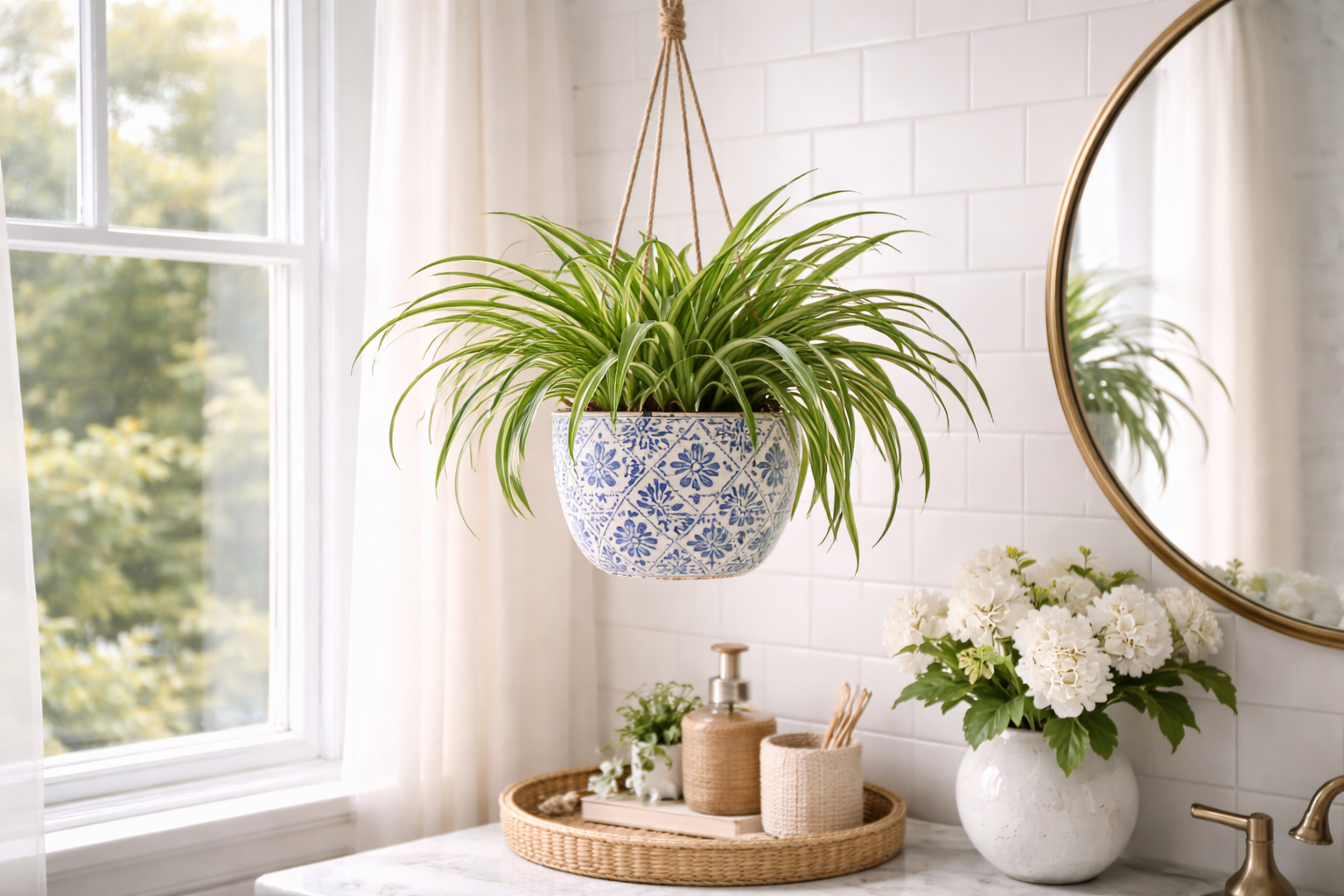
Spider Plant (Chlorophytum comosum)
Why it works:
- Easy care
- Soft cascading shape
- Brightens bathrooms and kitchens
Best placement:
Hanging planters, small counters.
How to Stage with Plants Without Overdoing It
1. Use Plants Strategically, Not Everywhere
Two to three plants per main living area is typically sufficient.
Too many plants create clutter. Staging should feel intentional, not botanical.
2. Match Scale to Room Size
Large rooms need vertical plants.
Small rooms need compact accents.
Improper scale disrupts visual balance.
3. Prioritize Healthy, Clean Plants
Dusty leaves, dying plants, or overly decorative pots create negative impressions.
Staging plants must look intentional and maintained.
4. Use Neutral Planters
Stick to:
- White
- Black
- Ceramic
- Natural woven textures
Avoid bold colors that compete with the home’s palette.
Final Takeaway
Plants are not filler décor.
They influence buyer perception, emotional comfort, and spatial interpretation.
Well-placed greenery can:
- Make rooms feel larger
- Reduce showing stress
- Increase perceived maintenance
- Strengthen emotional attachment
In competitive markets, small psychological advantages matter.
When preparing to sell, interior staging matters—but so does curb appeal.
At
Dzinly, we specialize in landscaping design and exterior rendering that enhances both beauty and marketability. Strategic outdoor design creates powerful first impressions before buyers even walk inside.
Frequently Asked Questions
Do plants really help sell a home faster?
Yes. Plants improve buyer mood, increase perceived warmth, and enhance spatial perception. These psychological effects can increase buyer attachment and shorten decision time.
How many plants should I use when staging?
Use 2–3 plants per major room. Focus on strategic placement rather than quantity.
What is the safest plant for home staging?
Snake plants and ZZ plants are safest because they tolerate low light and minimal watering.
Should I use real or fake plants?
Real plants are preferable if maintained properly. High-quality artificial plants are acceptable if they look realistic and clean.

_1776717242.png)

No comment on this post.