When enhancing your home's exterior, the power of landscaping cannot be underestimated. The art of landscaping goes beyond mere aesthetics; it's about transforming outdoor spaces into inspiring getaways. In this blog , we'll explore the essential elements of designing a beautiful exterior through landscaping. We'll also have the opportunity to talk with Matt Mosher, Landscape Architect and President of Mosher Design Co., who will take us into the world of landscaping, shedding light on the process of turning your outdoor vision into a breathtaking reality.
Getting Started
The goal of landscape design is to transform outdoor spaces into functional and aesthetically pleasing environments. It involves careful planning of elements like layout, plant selection, hardscape features, and overall aesthetics. Having a clear vision for your space is helpful when starting your design process so that you can achieve a successful design. Consulting a landscape architect can be immensely beneficial, for instance, at Mosher Design Co. after understanding what the client is looking for, they provide sketch concepts that help the client visualize what their property can be. These sketches help get the client's mind going and develop feedback so the design can continue to be refined until the Client is getting exactly what they are looking for. This is an amazing way to make sure you are getting exactly what you are looking for in your new landscape design.
Assessing Your Space
Before embarking on your landscaping journey, it's crucial to assess your outdoor space. Consider the size and layout of your yard, as well as factors like sunlight exposure, soil type, and any existing features. These factors will influence your plant choices and the overall design. For instance, areas with ample sunlight might be perfect for vibrant flower beds, while shaded corners could be transformed into cozy seating nooks. Landscape Architects conduct thorough analysis of your unique property and take into consideration things such as utility lines, draining, soil quality, permitting, and future maintenance or expansion your project might need.
Defining Your Style
Every homeowner has a unique style, and your exterior should reflect that. Explore different landscaping styles to find the one that resonates with you and complements your home's architecture. If you lean toward a modern aesthetic, sleek lines, minimalist plantings, and bold hardscape elements might be your preference.
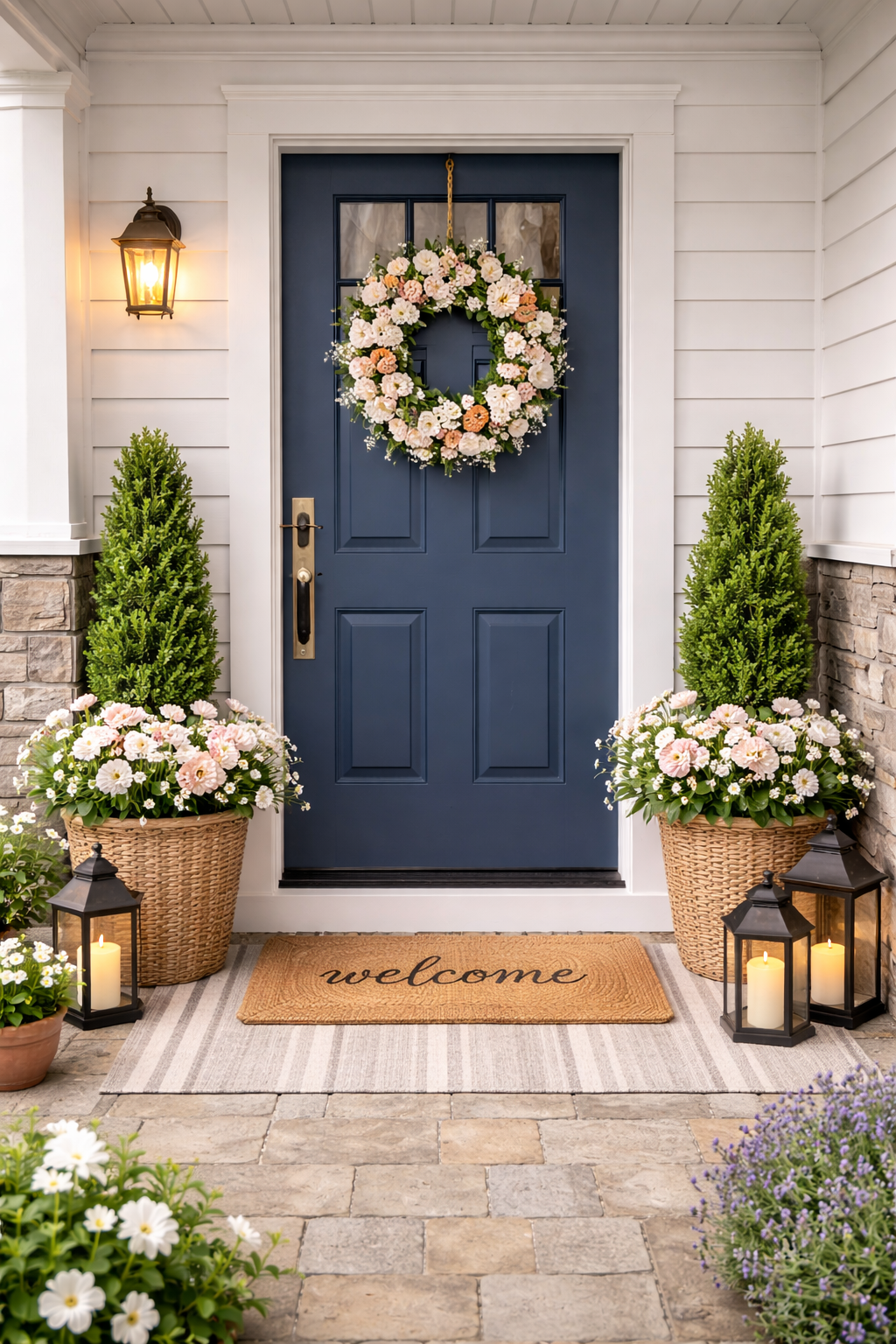
On the other hand, a cottage-style landscape could feature abundant flowers, whimsical pathways, and a relaxed, inviting atmosphere. Aligning your landscape design with your personal style ensures that your exterior feels like an extension of your home's interior.
Selecting Plants and Greenery
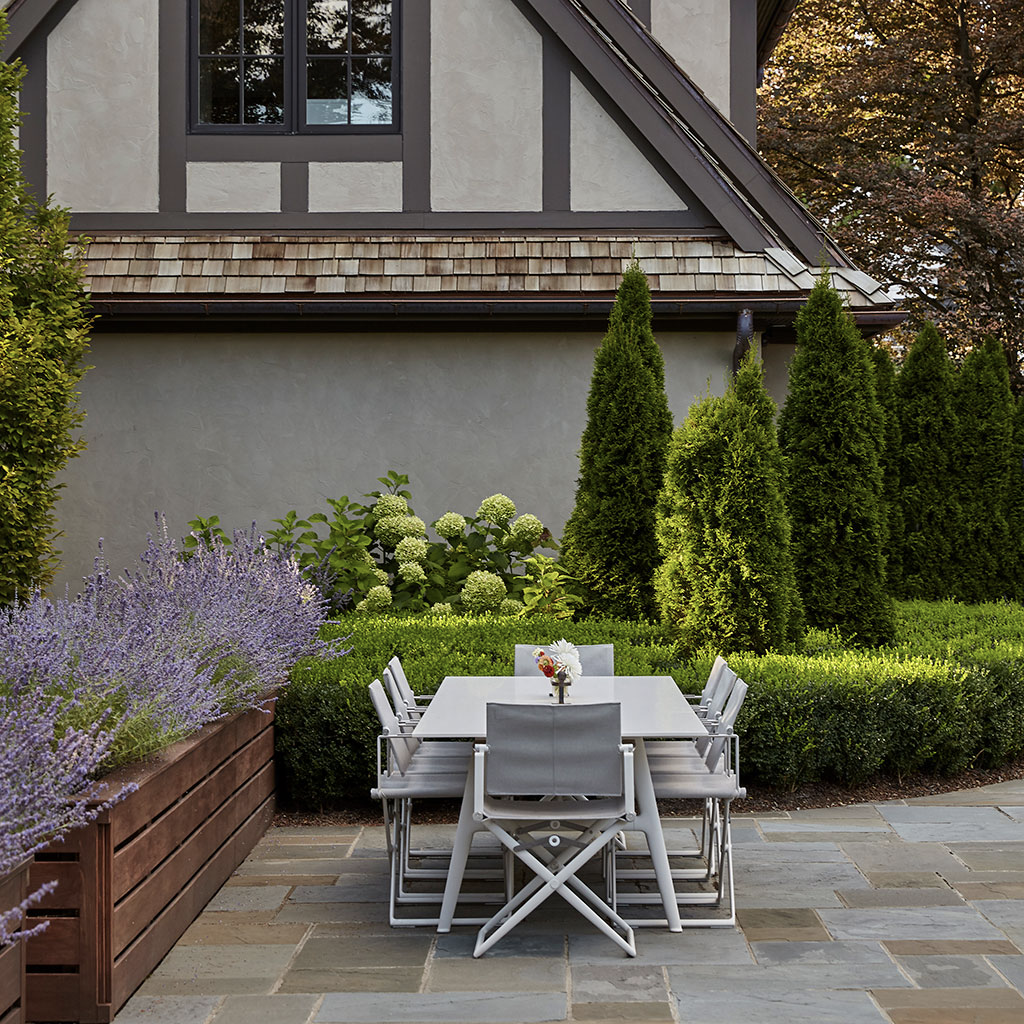
The selection of plants is a pivotal aspect of landscaping. Opt for native plants that thrive in your region's climate and require minimal upkeep. Mosher highlights that preferences vary across the nation: “Hydrangeas are popular in the upper half of the US, while Bougainvillea flourishes in the southern regions. Meanwhile, boxwoods maintain their popularity throughout the entire country”. A mix of trees, shrubs, perennials, and ground covers adds layers of texture and visual interest to your landscape. Consider plants that bloom at different times of the year to ensure year-round beauty. While flowering plants bring vibrant color, evergreens provide structure and color consistency even in colder months.
Tip : “Layering is critical. The purpose of landscaping is to provide proper layering against a home in front. This ensures that the house presents the best it can to one's eye.” - Matt Mosher
Creating Hardscape Elements
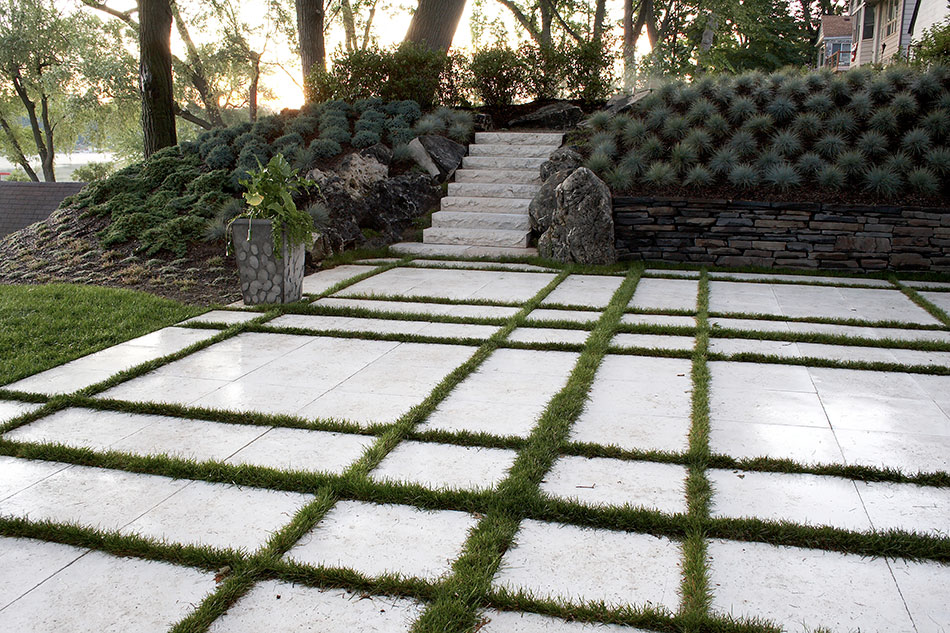
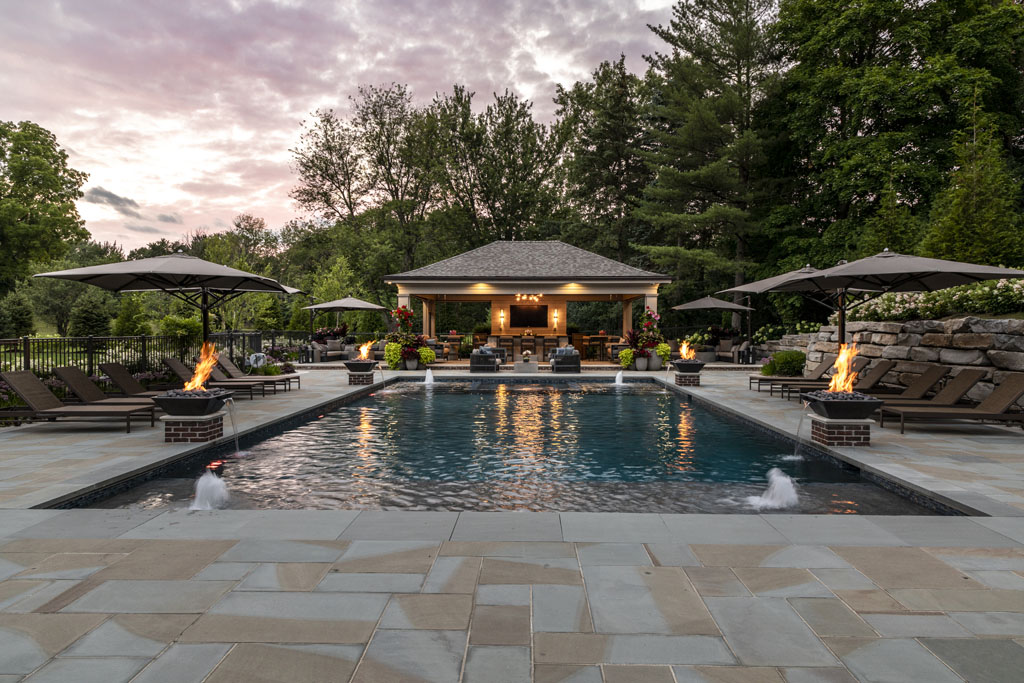
Hardscape elements are the backbone of your landscape design, providing structure, functionality, and a touch of artistry. Paths and walkways guide visitors through your outdoor space while adding visual interest. Patios and decks offer areas for relaxation, entertaining, and enjoying the outdoors. When incorporating hardships, think about how different materials—such as natural stone, wood, or concrete—can complement your overall design theme. “Outdoor living spaces should ideally be an extension of your home's interior," as Mosher wisely pointed out. “You want the experience to be consistent. Generally when designing, we design the hard spaces first and then fill in around them with plants.” The combination of soft plantings against solid hardships creates a dynamic and balanced composition.
Incorporating Water Features
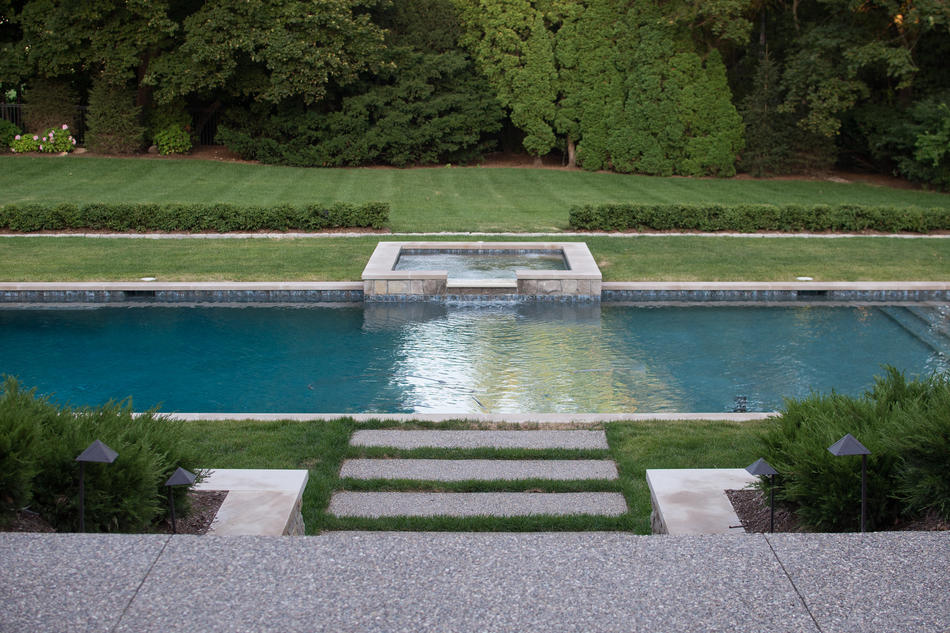
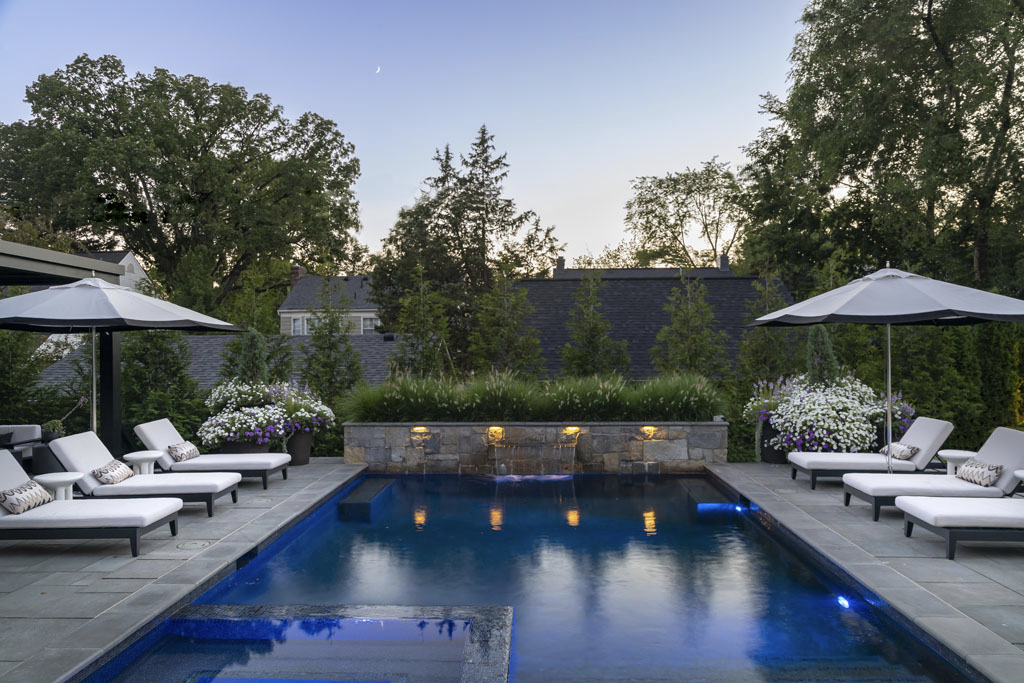
Water features have an enchanting ability to bring movement, sound, and serenity to your landscape. From elegant fountains to serene ponds or cascading waterfalls, these elements add a touch of luxury and transform your outdoor space into a sanctuary. “Water features are a great addition to landscaping to provide Tranquility” Mosher says. The sound of trickling water can be incredibly calming, creating a serene ambiance that's perfect for relaxation or meditation. When integrating water features, consider their scale, location, and the overall style you're aiming for, and rest assured, Mosher reminds us that “nowadays, there are so many affordable options that are little to no maintenance”. A water feature - big or small - might be the final step to transforming your outdoor space.
Lighting the Landscape
As the sun sets, your landscaping can continue to shine with the right outdoor lighting. Lighting not only extends the usability of your exterior spaces but also highlights key features and adds a touch of magic to your design. Use a combination of ambient, task, and accent lighting to create layers of illumination. Uplights can showcase the beauty of tall trees, while pathway lights ensure safe navigation. Well-placed spotlights can accentuate architectural details and focal points, turning your landscape into a visual masterpiece even after dark.
Maintenance and Sustainability
A stunning landscape requires ongoing care to preserve its beauty. Regular maintenance tasks such as pruning, mulching, and watering keep your plants healthy and vibrant. Additionally, consider sustainable landscaping practices to minimize environmental impact. Select native plants that require less water and fertilization, use organic mulch to retain moisture and suppress weeds, and consider installing a rainwater harvesting system to nourish your plants naturally. A well-maintained and sustainable landscape reflects your commitment to both aesthetics and environmental responsibility.
Designing a beautiful exterior through landscaping is a journey that blends creativity, knowledge, and a touch of magic. By understanding the principles of landscape design, assessing your space, defining your style, and incorporating some of the different elements we went over, you can transform your outdoor area into a captivating oasis. Whether you're aiming for a serene retreat, a vibrant garden, or a modern masterpiece, Mosher Design co. brings the power of landscaping to life and creates an exterior that speaks to your unique vision. Check them out @
mosherdesignco.com.








No comment on this post.