Overpricing the Home
Issue
Homes priced above market value struggle to gain traction. Sellers often overestimate value due to emotional attachment or renovations that don’t translate directly into resale value. Buyers, however, compare listings carefully and move quickly past overpriced homes.
Action Steps
- Reassess market value: Run an updated comparative market analysis using recent sales and active listings.
- Recommend a strategic price adjustment: If a home has been on the market for 30+ days with little activity, a recalibration can reintroduce urgency.
- Justify value with data: Clearly communicate what differentiates the home using facts, not assumptions.
- Connect with local agents: Reach out to listing agents of recently sold nearby homes to gather buyer feedback.
Example:
A home in Austin, TX was listed at $750,000 while comps averaged $700,000. After a price reduction to $725,000, the home received three offers within one week.
Poor Curb Appeal
Issue
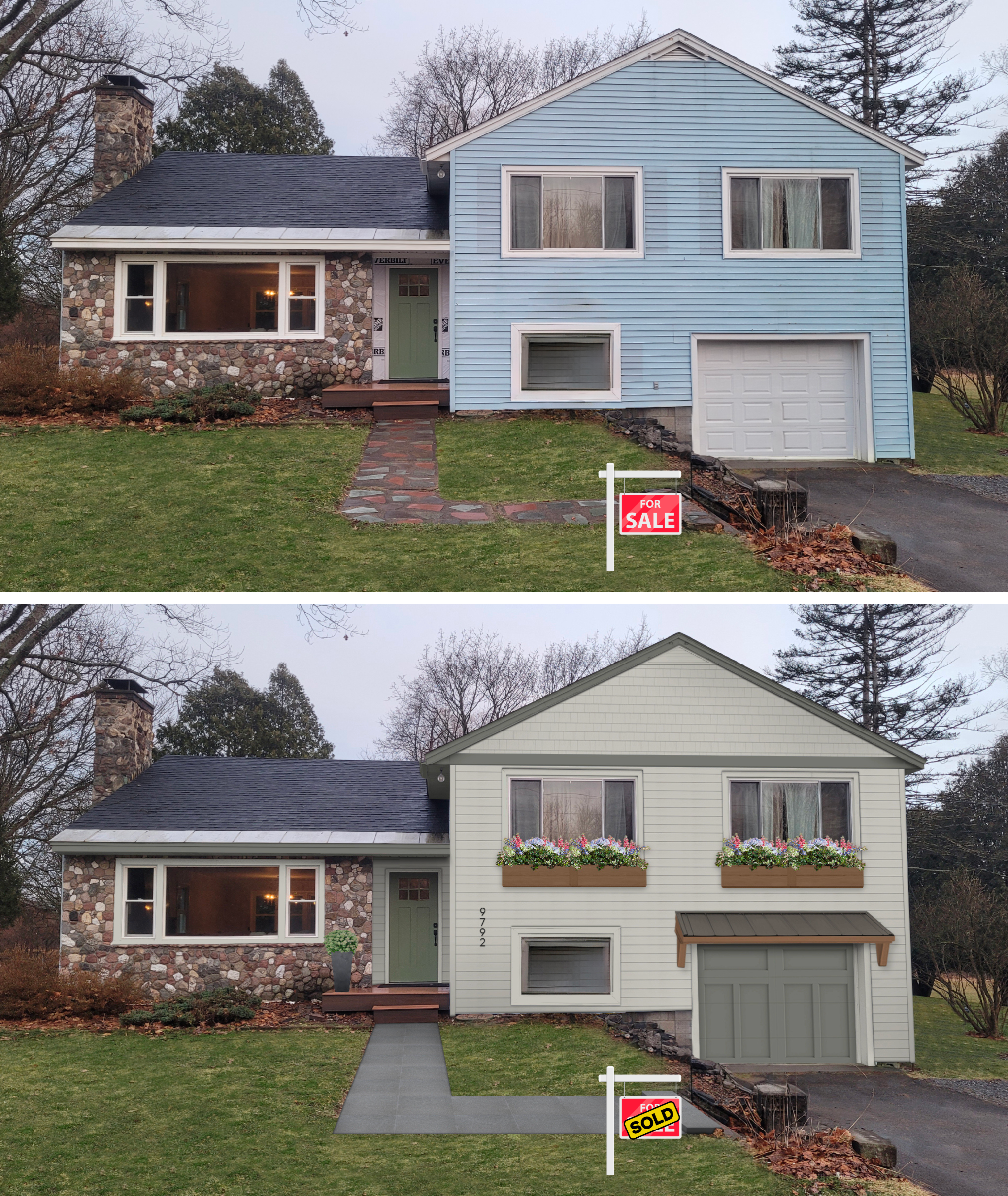
Buyers form opinions within seconds. Neglected exteriors, overgrown or lack of landscaping, peeling paint, or outdated features, can stop interest before a showing even happens.
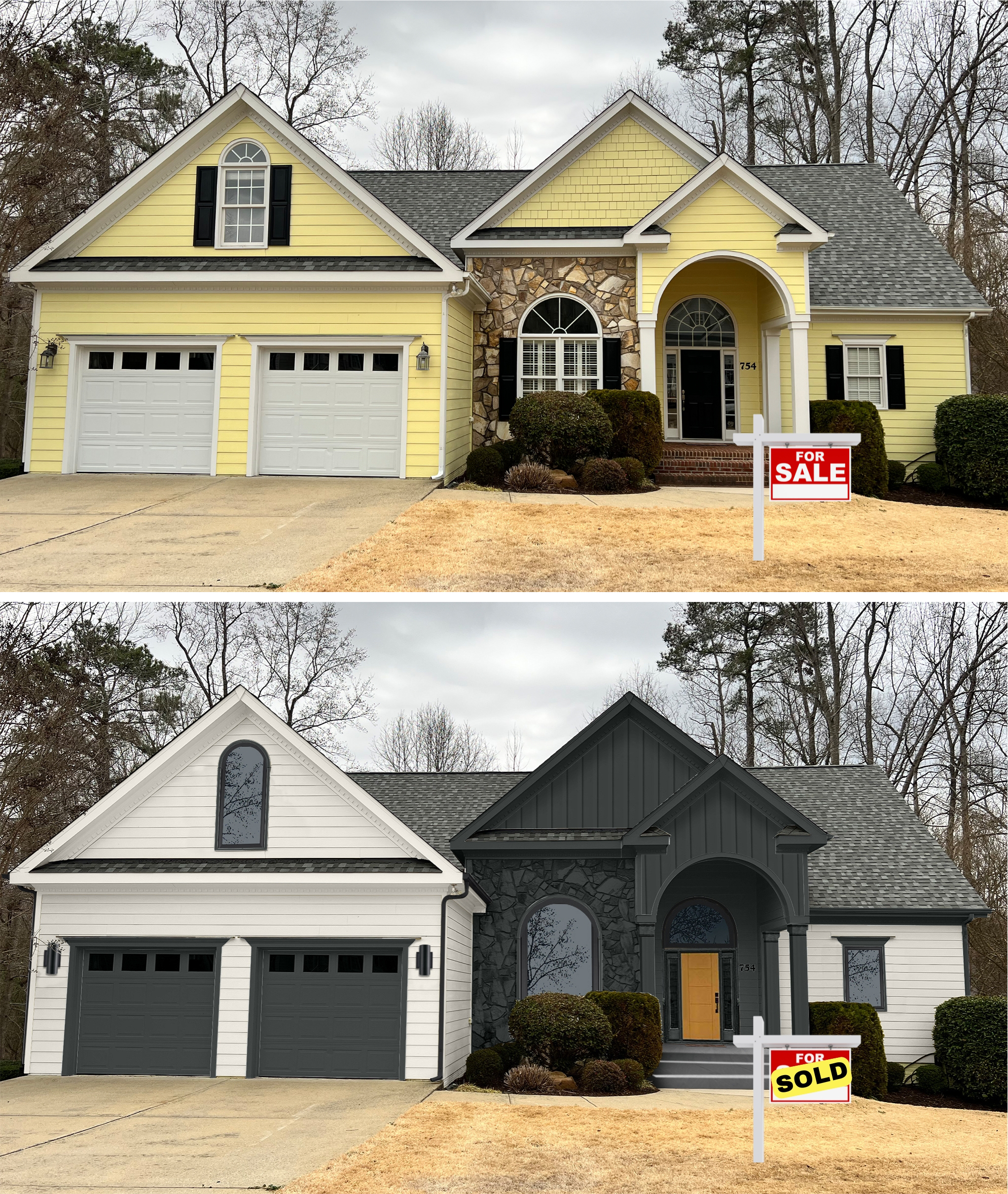 Image Source
Action Steps
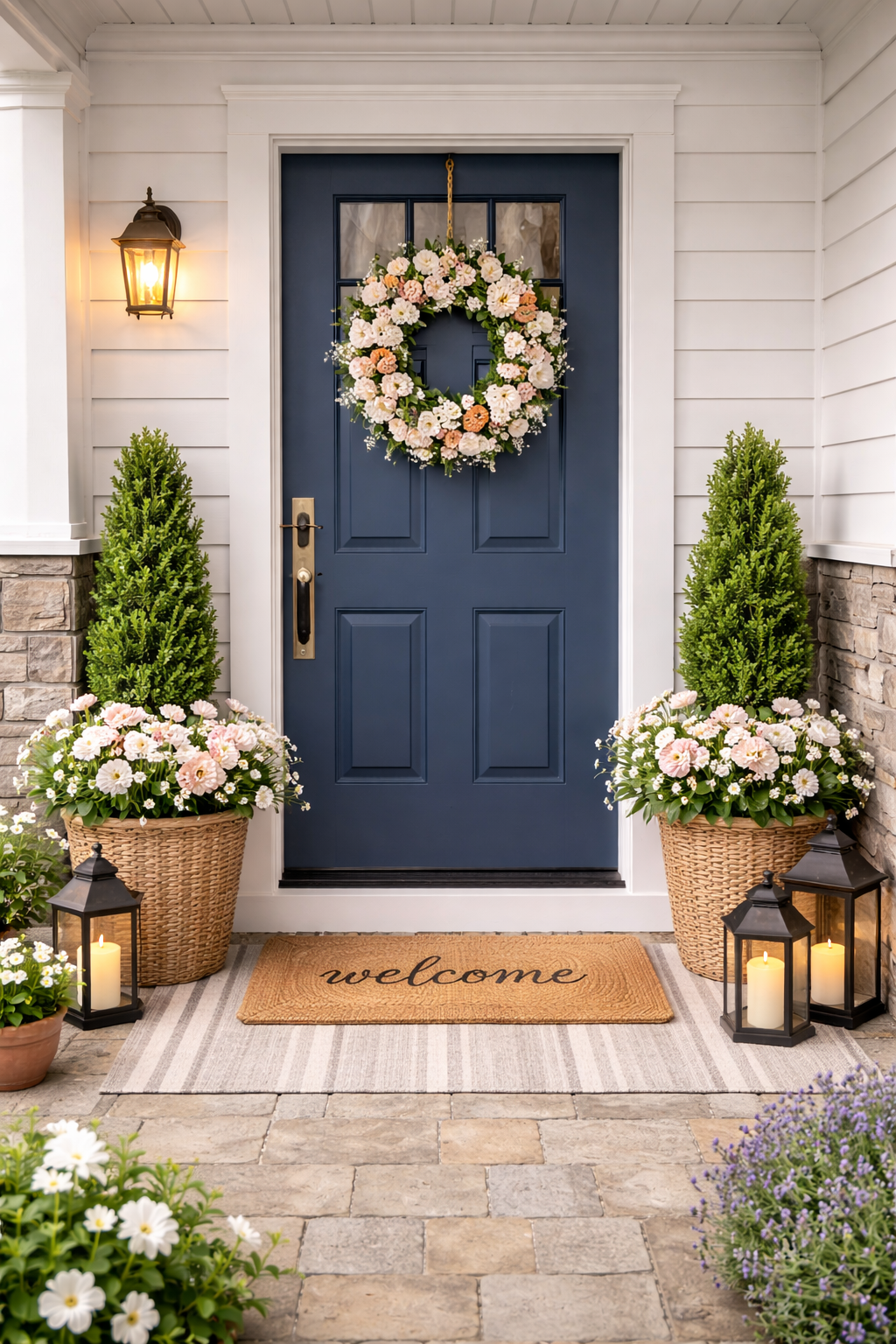
- Prioritize simple upgrades: Landscaping refreshes, a painted front door, or updated exterior lighting.
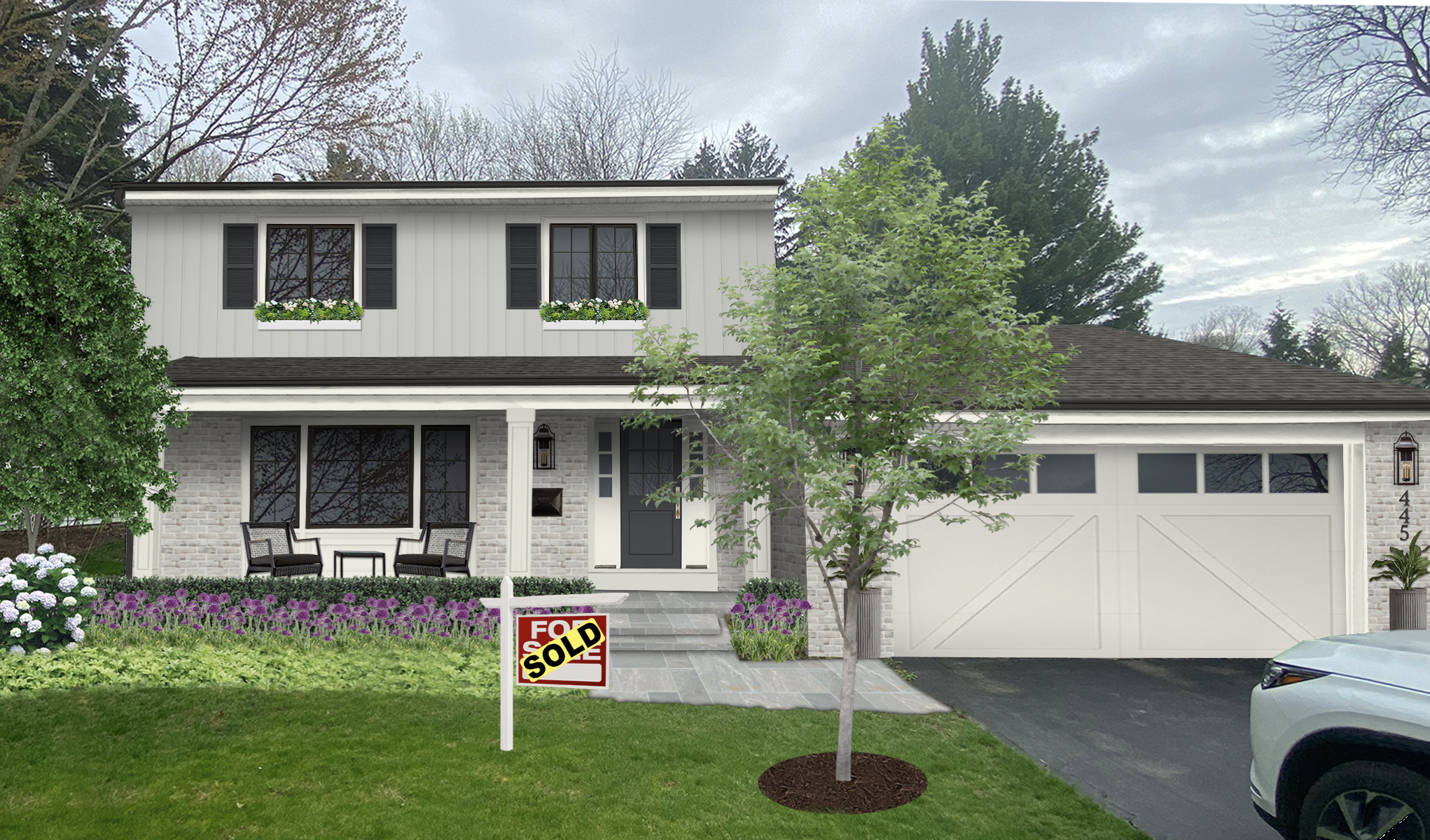
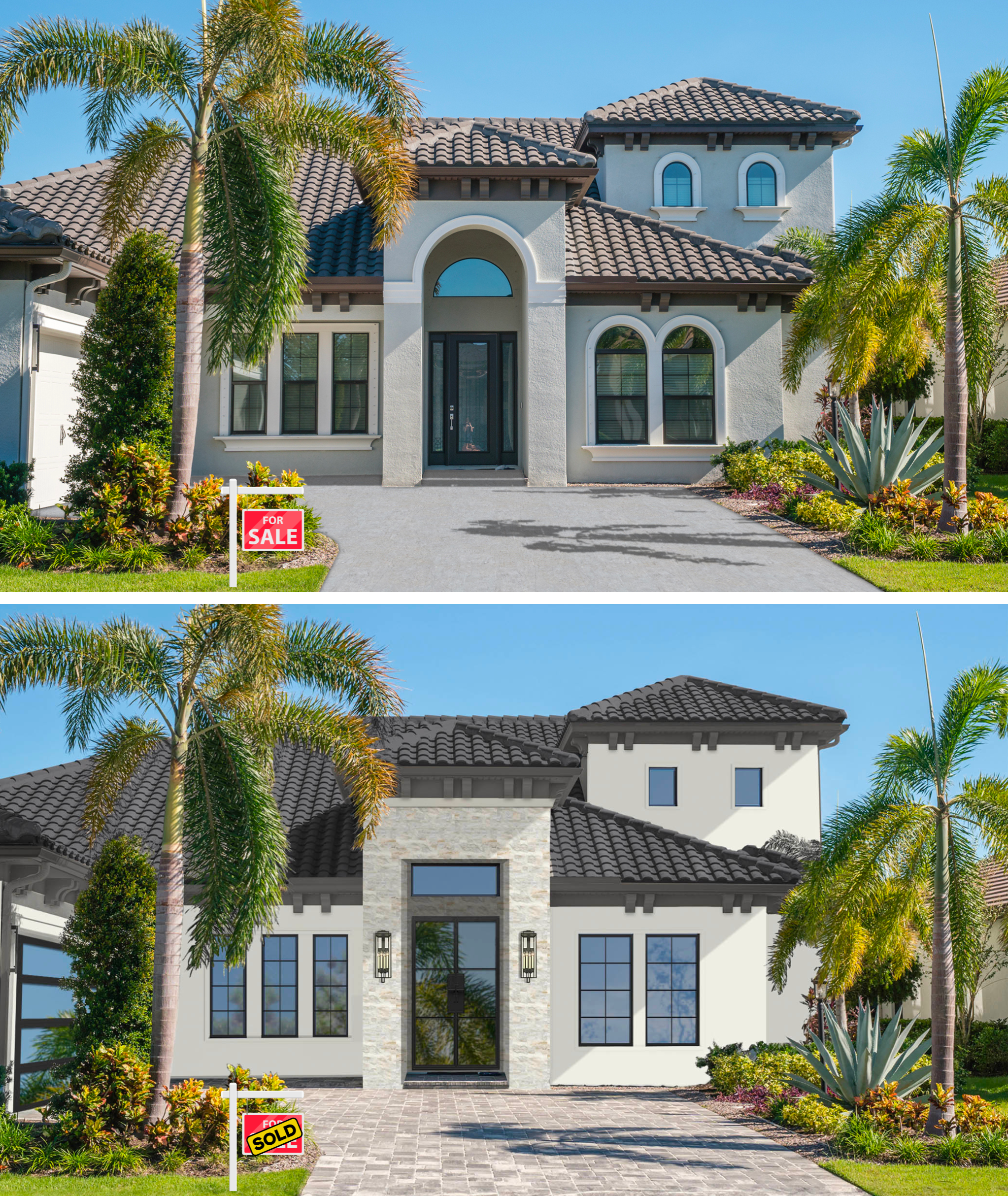
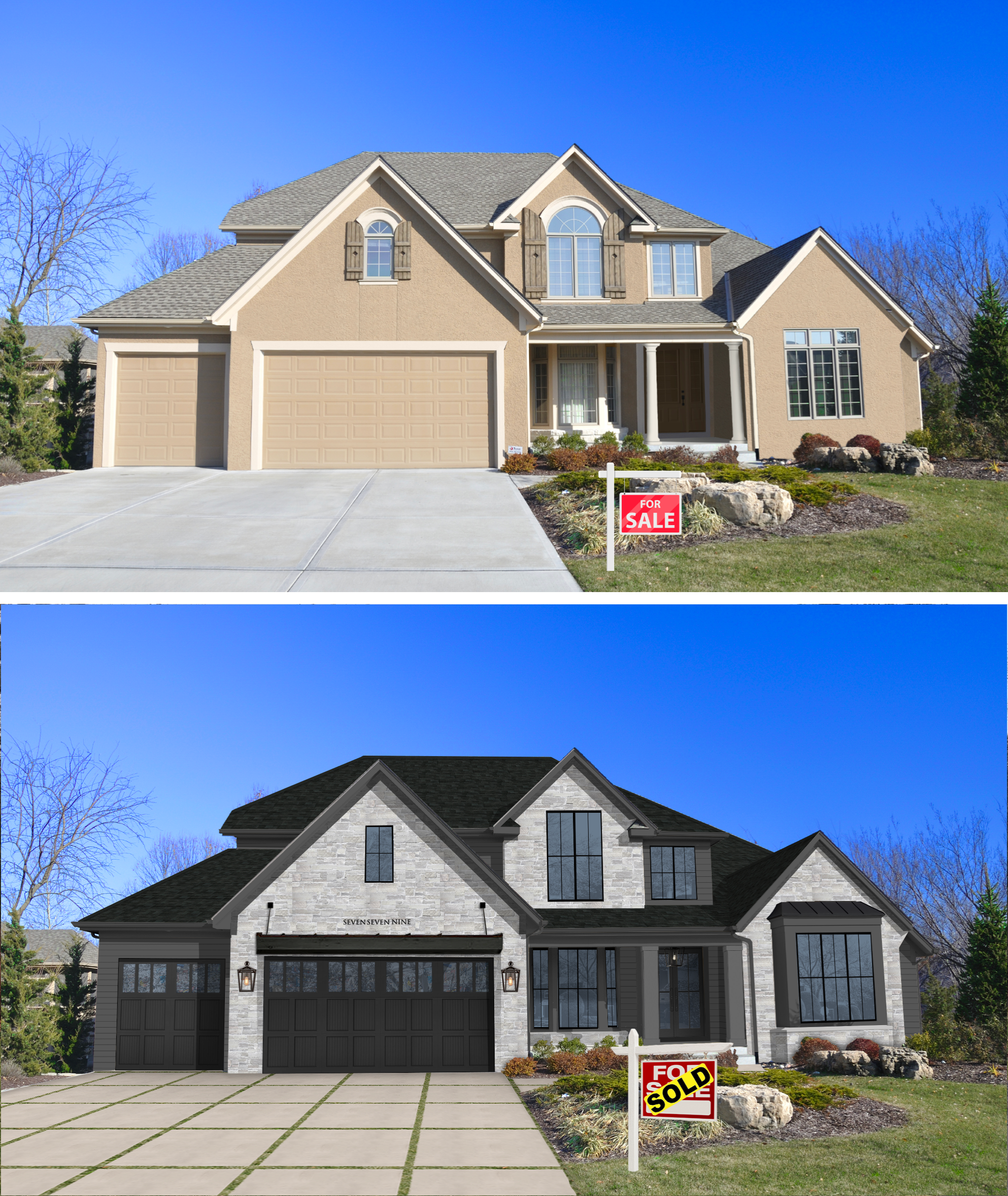
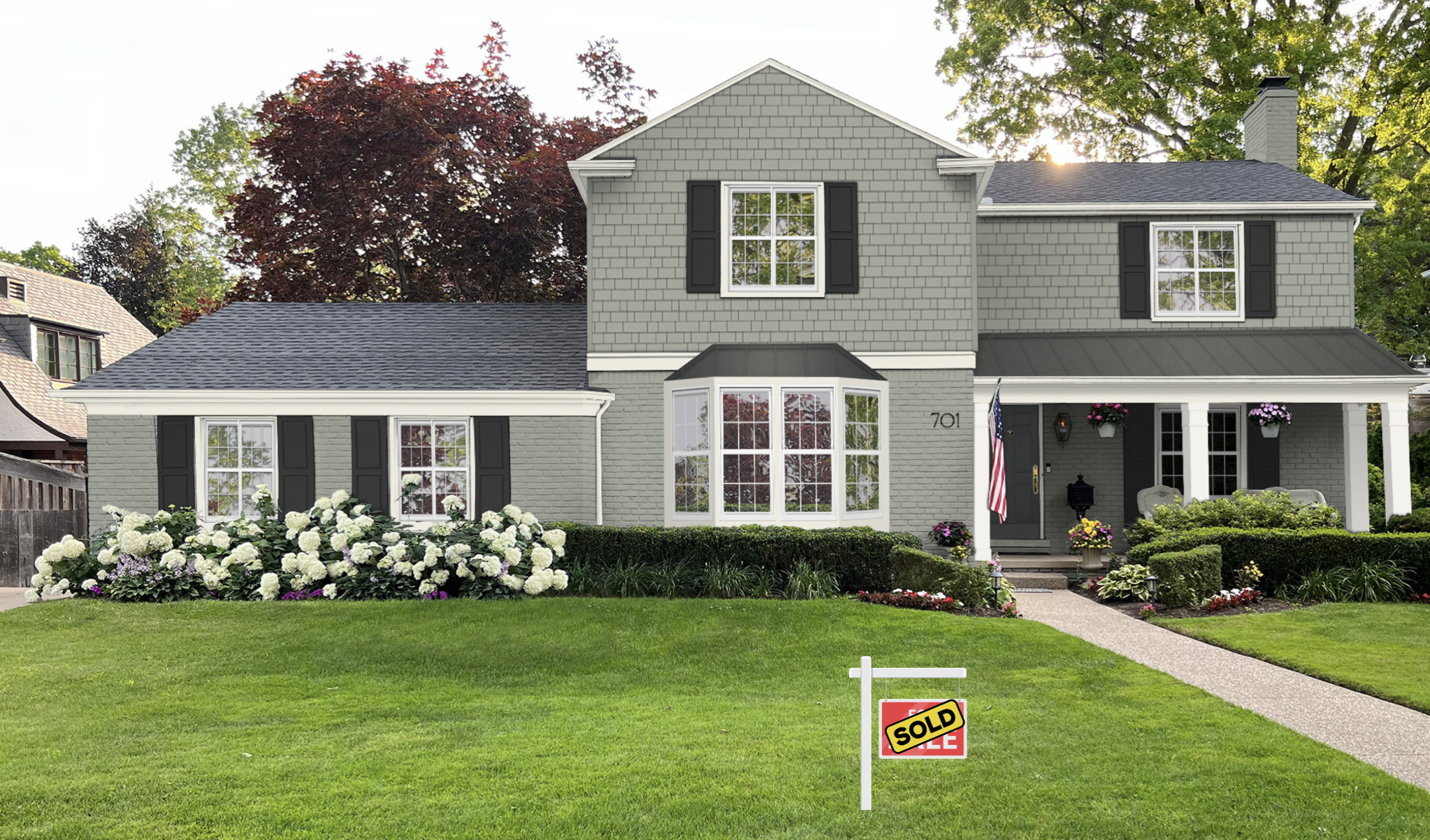
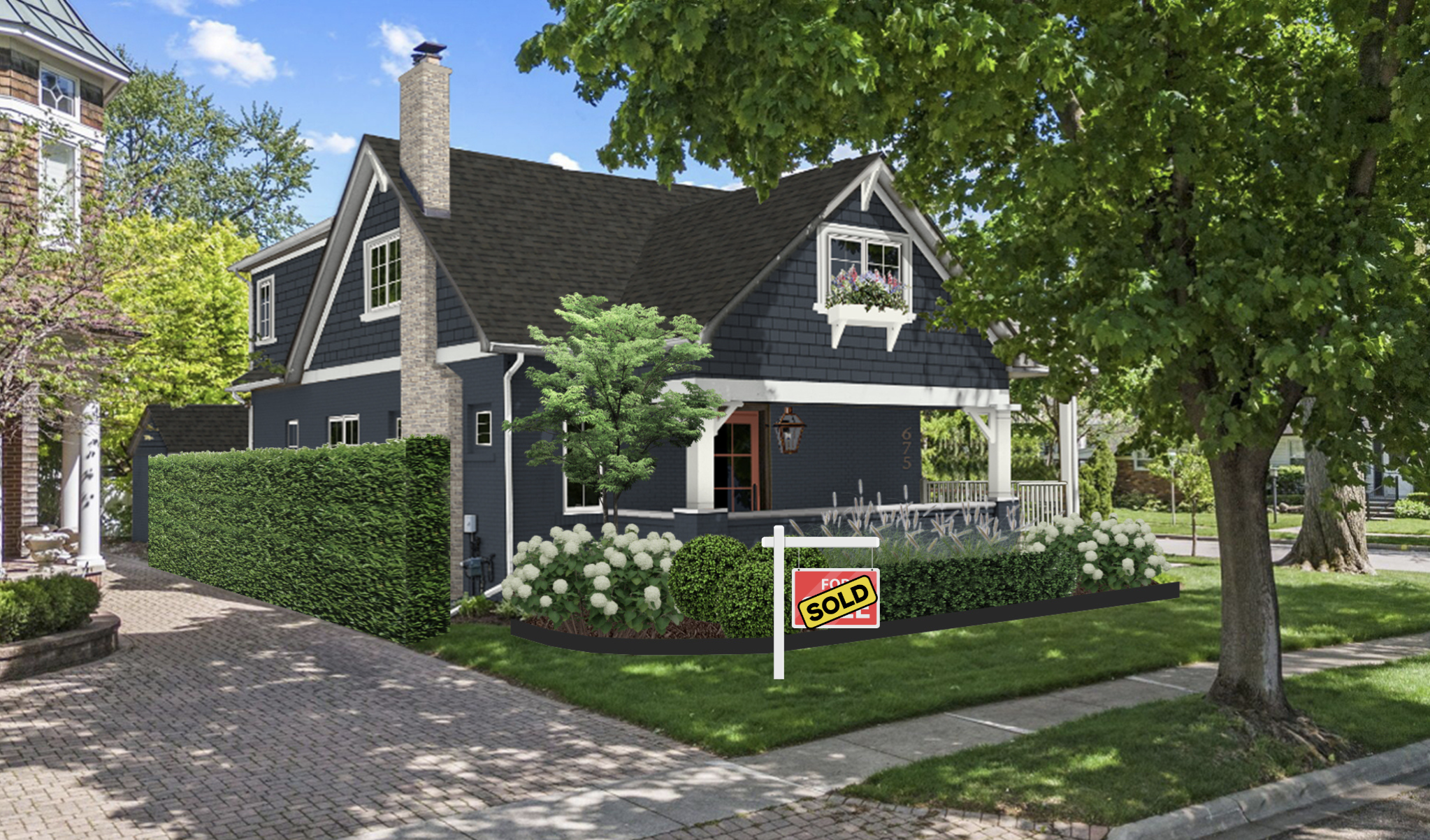
- Use exterior visualization tools: Professional exterior design services allow buyers to visualize improvements rather than imagine them.
- Address basic maintenance: Clean driveways, trimmed lawns, and visible repairs matter.
Example:
A lake home in Bloomfield, MI sat on the market for a year with no offers. After exterior design concepts were implemented, the home received multiple offers within one day of re-listing and sold above asking.
Outdated Interior Finishes
Issue
Today’s buyers prefer move-in-ready homes. Outdated finishes can make a property feel like a project rather than an opportunity.
Action Steps
- Focus on cosmetic updates: Neutral paint, modern fixtures, and updated hardware deliver high impact without major renovation.
- Use staging strategically: Staged and virtually staged homes consistently sell faster.
- Declutter and depersonalize: Clear space allows buyers to imagine themselves living there.
Example:
A Miami condo with dark paneling and old carpet sold within three weeks after minor updates under $5,000, following six months of stagnation.
Low-Quality Marketing Materials
Issue
Listings with poor photography, weak descriptions, or limited visuals fail to stand out in competitive online environments.
Action Steps
- Invest in professional photography: Quality images significantly increase engagement.
- Use professional renderings: High-quality visuals help buyers see potential, especially for exterior improvements.
- Strengthen listing descriptions: Use clear, descriptive language that highlights lifestyle and function.
- Add immersive media: Virtual tours and drone footage increase time spent on listings.
Example:
A Birmingham listing gained traction after adding three professional exterior renderings, resulting in increased showings and an accepted offer within two weeks.
Weak or Inconsistent Online Promotion
Issue
If buyers don’t see the listing, they can’t buy it.
Action Steps
- List strategically: Thursday and Friday listings tend to attract more buyers, while Wednesday listings may yield higher prices.
- Expand digital reach: Promote across MLS, social platforms, and email campaigns.
- Use paid advertising: Boosted social posts increase exposure.
- Share engaging content: Walkthrough videos, behind-the-scenes clips, and testimonials build interest.
Example:
A Los Angeles home sold within 10 days after relaunching with a targeted social media campaign following two stagnant months.
Limited Buyer Engagement
Issue
Traditional open houses alone may not capture serious or remote buyers.
Action Steps
- Host themed open houses to create memorable experiences
- Offer virtual open houses for out-of-state buyers
- Provide exclusive previews for qualified buyers before public listing
Example:
A twilight open house in Dallas generated three offers in one evening.
Unresponsive or Difficult Sellers
Issue
Sellers who resist pricing changes or updates can stall momentum.
- Set expectations early using market data
- Present options clearly and objectively
- Maintain consistent communication to avoid misalignment
Example:
A New York seller agreed to a $100,000 price reduction after reviewing market data, resulting in a sale within one week.
Challenging Market Conditions
Issue
High interest rates or slow markets can reduce buyer urgency.
Action Steps
- Advise sellers on timing when flexibility exists
- Offer incentives such as closing cost credits or rate buy-downs
Example:
A Phoenix home sold in two weeks after offering a seller-funded rate buy-down.
Addressing Major Repairs Before Inspection
Issue
Major repair discoveries during inspection can derail deals late in the process.
Action Steps
- Identify issues before listing
- Present repair options or credits transparently
- Reduce uncertainty to build buyer confidence
Example:
A Charlotte agent disclosed a roof issue upfront with a $5,000 credit, resulting in a full-price offer within days.
Buyer Financing Falling Through
Issue
Deals can collapse when buyers lack solid financing.
Action Steps
- Require lender pre-approvals
- Partner with reliable mortgage professionals
Example:
An Atlanta agent reduced failed transactions by 50% by requiring pre-approval before offers.
Final Takeaway: Turning Stagnant Listings Into Sold Homes
Homes don’t fail to sell for one reason alone. Pricing, presentation, marketing, seller cooperation, and market conditions all play a role. Agents who take a proactive, data-driven approach—and adapt quickly—can dramatically reduce time on market and increase buyer confidence. In a competitive and shifting real estate landscape, strategic adjustments make the difference between sitting and selling.
Frequently Asked Questions for Agents
Q: Why do homes sit on the market even in strong markets?
A: Most often due to overpricing, poor presentation, or weak marketing—not lack of buyers.
Q: What’s the fastest way to revive a stale listing?
A: Reassessing price, improving visuals, and expanding online exposure typically generate immediate results.
Q: Are small updates really worth it?
A: Yes. Cosmetic improvements often deliver the highest return relative to cost.






No comment on this post.